 Artificially generated image
 These Are the Handheld Massage Devices People Are Choosing This Season
Compact massage tools have moved from niche gadgets to everyday recovery companions, showing up in gym bags, desk drawers, and bedside tables alike. Buyers are paying closer attention to ergonomics, noise, attachments, and battery life because those details shape whether a device becomes a habit or a forgotten purchase. This guide maps the latest trends, explains the main tool categories, and helps readers compare what matters before choosing one for home, travel, or post-workout use.
Outline and Market Snapshot: Why These Devices Are Gaining Attention
Interest in handheld massage devices has grown because modern routines create a strange combination of tension and convenience. Many people spend long hours at screens, commute in fixed positions, or train intensely without leaving enough time for recovery appointments. A personal device offers an immediate, private, and repeatable way to address stiffness, especially in areas like the shoulders, calves, lower back, and forearms. That does not mean every model is equally useful, and it certainly does not mean stronger is always better. The current season’s market shows a shift away from purely flashy power claims and toward practical design features that support regular use.
An overview of handheld massage devices, focusing on design trends and general use.
That simple idea captures what many buyers are really looking for: not miracle language, but understandable differences between products. In broad terms, the article follows this outline:
• First, it examines design trends such as shape, weight balance, noise control, charging methods, and attachment choices.
• Next, it compares major muscle relaxation tools, including percussion devices, vibrating massagers, rollers, and heat-assisted units.
• It then looks at how personal massage devices fit into daily life for office workers, travelers, fitness enthusiasts, and older adults.
• Finally, it closes with realistic buying advice, safety notes, and a summary aimed at readers who want relief without guesswork.
The timing matters. Seasonal buying patterns often rise when people return to structured routines, start new workouts, travel more, or prepare gifts that feel useful rather than decorative. Handheld tools fit that mood because they combine self-care with convenience. Some are small enough for carry-on luggage. Others are designed for deeper pressure and longer sessions at home. Many now come with USB-C charging, quieter motors, and softer finishes that make them feel less clinical and more like everyday wellness products. The most noticeable trend is not just more choice, but more specialization. Shoppers are no longer asking, “Should I get a massage device?” They are asking, “Which type fits the way I actually live?” That is the better question, and it is the one worth answering before any purchase is made.
Design Trends Shaping Handheld Massage Devices This Season
Design has become one of the biggest reasons people choose one handheld massage device over another. A few years ago, many models looked nearly identical: bold colors, aggressive marketing, and a long list of speed settings that sounded impressive but told buyers very little. This season, design language is calmer and more thoughtful. Consumers are paying attention to how a device feels in the hand, how loud it is in a quiet room, whether it reaches awkward body areas, and how easy it is to store after use. That shift has pushed manufacturers toward products that are less about spectacle and more about usability.
Ergonomics sits at the center of this change. A handle that is too thick can fatigue the wrist. A device with poor weight distribution may feel heavy after only a few minutes, even if the listed weight seems acceptable on paper. Curved grips, angled heads, and longer handles have become more common because users want access to the upper back, hamstrings, and calves without wrestling with the device. Soft-touch materials and matte finishes also matter more than they once did. They improve grip control, especially after workouts or in warm environments where hands become slightly damp.
Noise reduction is another major trend. Quieter devices are appealing not only because they are pleasant, but because they are more likely to be used consistently. A tool that sounds like a kitchen blender tends to end up in a drawer. A quieter model feels welcome in the evening, in a shared apartment, or even during a short work break. Battery design is evolving too. Rechargeable units with faster charging and clearer battery indicators reduce friction in everyday use. USB-C compatibility is increasingly valued because it cuts down on proprietary cables and makes travel easier.
Attachment design has also matured. Instead of including a large pile of heads that most people never touch, some newer products focus on a smaller set with clearer roles:
• A round attachment for large muscle groups
• A flatter head for broader contact
• A narrower option for more targeted areas
• A cushioned or softer head for sensitive spots
Heat-assisted features, auto shutoff timers, and simpler control layouts are part of the same trend. The season’s best-looking devices are not just attractive; they remove little obstacles that make self-care harder to keep up. In that sense, design is not decoration. It is the bridge between owning a device and actually using it.
Comparing Muscle Relaxation Tools: What Each Type Does Best
Not all muscle relaxation tools work the same way, and understanding those differences is more useful than chasing one-size-fits-all claims. The category is broad. It includes percussion devices, vibrating handheld massagers, manual rollers, massage balls, heated tools, and combination designs that mix two or more functions. Each one has strengths, trade-offs, and ideal use cases. The key is not to ask which tool is universally superior, but which tool matches the kind of tension a person experiences most often.
Percussion devices are the most visible segment right now. They use rapid, repeated pulses to target muscles and are popular with people who exercise regularly or prefer a stronger sensation. They can be effective for large areas such as quads, glutes, and upper back muscles, especially before or after training. However, they are not always the most comfortable option for sensitive users, smaller body areas, or people who simply want a gentler evening routine. For those users, vibrating handheld massagers often feel less intense and easier to control. Vibration-based models can be especially appealing for neck, shoulder, and general relaxation sessions where the goal is comfort rather than deep, focused pressure.
Manual tools deserve more respect than they sometimes get. Foam rollers, massage sticks, and trigger-point balls have no battery, no charging port, and no motor to wear out. They also give the user direct control over pressure through body weight and angle. That makes them affordable and reliable, though less convenient in certain situations. A traveler may prefer a compact electric device over packing a roller. On the other hand, a home user with a stretching area might find that a roller supports broader muscle work at a fraction of the cost.
Heat-assisted massage tools occupy a different corner of the market. Their appeal is not raw force but soothing warmth combined with light kneading or vibration. These can be a better fit for end-of-day comfort, especially in cooler months or after desk-heavy days. Their limitation is speed and specificity; they are usually less suited to quick, targeted pre-workout use.
A practical comparison looks like this:
• For athletic recovery: percussion models often lead in intensity and speed.
• For daily comfort: vibrating or heat-assisted devices may feel easier to use often.
• For budget-conscious buyers: manual rollers and massage balls offer strong value.
• For travel: lightweight personal massage devices with simple charging systems are often the most practical.
The smartest choice depends on routine, tolerance, and body area. A powerful tool is not automatically the right tool. The real winner is the one that gets used safely, consistently, and for the right purpose.
How Personal Massage Devices Fit Into Daily Life
One reason personal massage devices are thriving is that they fit into routines that are fragmented, busy, and often unpredictable. A traditional massage appointment can be valuable, but it requires scheduling, travel, and cost that not everyone can manage regularly. A handheld tool, by contrast, can be used for five quiet minutes before a meeting, after a run, or while winding down in the evening. That flexibility has helped these devices move from occasional gadgets to everyday utility items.
Different users approach them in different ways. Office workers often reach for compact units that target the neck, shoulders, wrists, and lower back after long stretches of sitting. For this group, factors like low noise, easy storage, and comfortable grip usually matter more than maximum intensity. Fitness enthusiasts often look for deeper pressure, interchangeable heads, and enough battery life to support repeated sessions through the week. Travelers tend to prioritize lighter weight, compact shape, and universal charging. Older adults may value simplified controls, stable handling, and gentler settings over technical specifications.
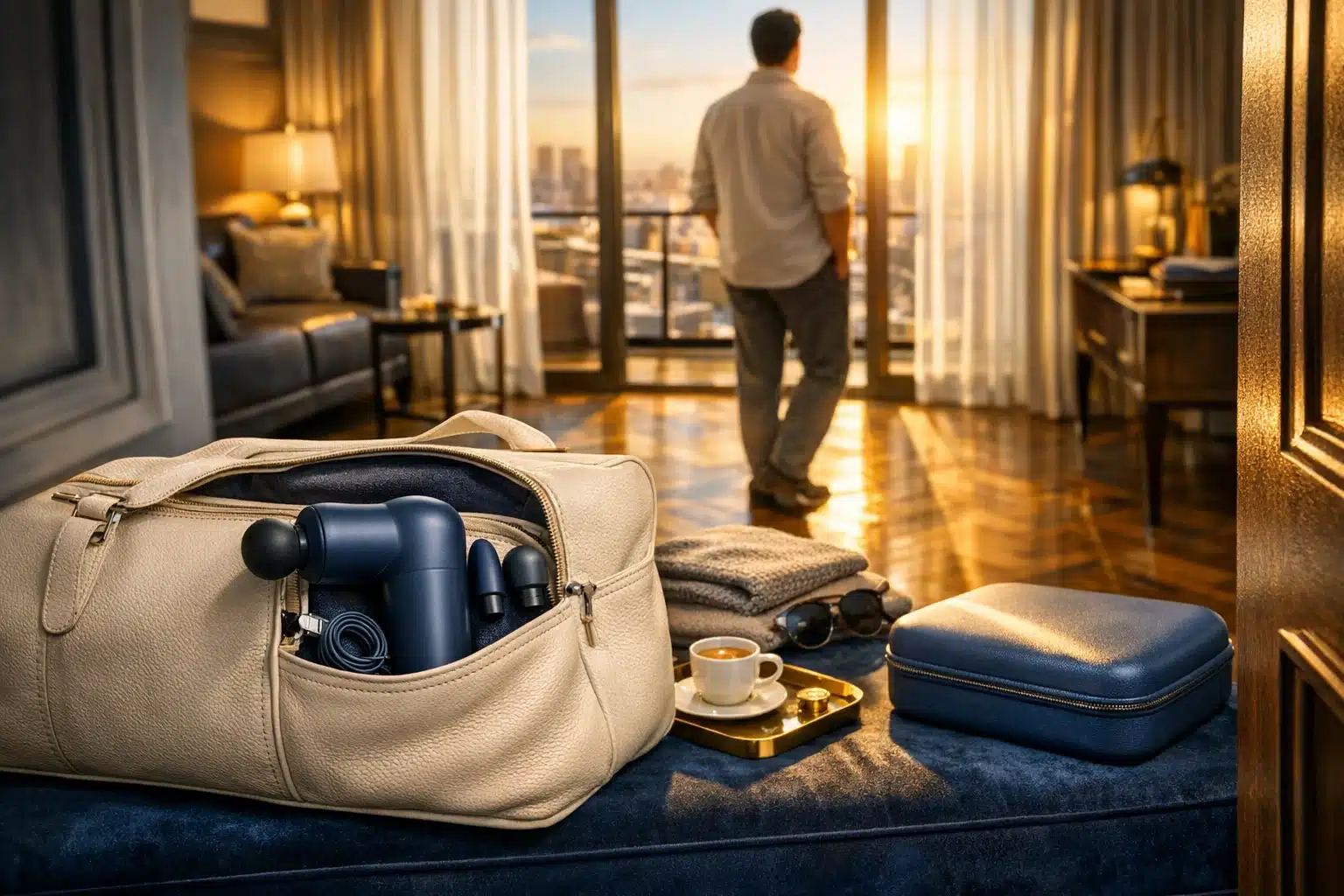
That variety explains why the category keeps expanding. A single household may have entirely different needs under one roof. Someone training for a race might want a percussion device for larger leg muscles, while another family member prefers a softer vibrating tool for general comfort after gardening or computer work. The scene is almost cinematic: one device lives near the yoga mat, another stays in a desk drawer, and a compact model waits in a suitcase side pocket like a quiet little promise of relief after a long day.
To use these devices well, routine matters as much as technology. Brief sessions often work better than overly aggressive ones. Many people benefit from a simple approach:
• Use short sessions on major muscle groups rather than pressing one spot for too long.
• Start on lower settings to judge comfort.
• Pair device use with hydration, light stretching, or walking when appropriate.
• Avoid treating pain signals as something to overpower.
It is also wise to remember their limits. Personal massage devices can support comfort and recovery, but they are not substitutes for diagnosis or medical treatment. Persistent pain, swelling, numbness, or injury-related symptoms deserve professional attention. Used with realistic expectations, though, these tools can make daily body maintenance easier. They shine when they support consistent habits, not when they are expected to perform magic in a single session.
Conclusion: Choosing the Right Device for Your Routine, Budget, and Comfort Level
If you are shopping this season, the best handheld massage device is usually the one that fits your schedule, body preferences, and storage space without becoming another complicated object to manage. It is tempting to focus on the loudest marketing points: bigger motors, more attachments, higher speed counts, dramatic claims. Yet the features that often matter most are quieter and more human. Can you hold the device comfortably? Will you actually use it after work or after exercise? Does it feel appropriate for your body rather than impressive on a product page?
For readers comparing muscle relaxation tools, a few final principles can simplify the decision. Start with your main scenario. If you want quick relief after training, a percussion-focused option may be worth considering. If your goal is everyday unwinding, a gentler vibrating or heat-assisted model may suit you better. If price and durability lead the conversation, manual tools still deserve a serious look. Personal massage devices should meet a clear need, not just fill a trend-driven category in your home.
Here is a straightforward checklist to close with:
• Choose based on where you feel tension most often.
• Prioritize grip, reach, and comfort before advanced extras.
• Look for charging and storage that fit your routine.
• Treat attachment variety as useful only if you understand when to use each one.
• Keep expectations realistic and consult a professional for ongoing pain or injury concerns.
For the target audience of this topic, that means busy people who want practical relief, active users who need recovery support, and curious shoppers trying to separate meaningful features from noise. The market is better than it used to be because devices are becoming more specialized, more intuitive, and more aligned with real habits. The smartest choice is rarely the flashiest one. It is the device that feels natural in your hand, sensible in your routine, and dependable enough to earn a place in daily life. When that happens, a personal tool stops being a novelty and starts becoming part of how you take care of yourself.