3-Night All-Inclusive Edinburgh City Break: What Makes This Worth It?
Edinburgh suits a short trip unusually well because its landmarks, compact center, and strong transport links make it possible to see a great deal without spending half the holiday in transit. That practicality matters even more as travelers look for breaks that feel restorative instead of overplanned. A three-night package can simplify decisions on lodging, meals, and sightseeing while still leaving room for personal discovery. The topic is relevant not only for first-time visitors, but also for repeat guests who want a smarter way to revisit the city.
Outline:
• What a typical Edinburgh city break package includes and what is often excluded
• Which historic attractions and guided experiences usually shape the trip
• How hotel comfort affects satisfaction during a short stay
• Why traveler behavior is shifting toward flexible, experience-led mini breaks
• When an all-inclusive format offers strong value compared with planning independently
What a 3-Night Edinburgh City Break Package Usually Includes
A city break package is often sold as a tidy, stress-reducing bundle, but the phrase can mean different things depending on the operator. In most cases, a three-night Edinburgh package covers accommodation, a chosen board basis, and some form of transport if it is sold outside Scotland. For domestic travelers, that transport may be rail rather than air, while international visitors may see flights included from selected airports. The strongest packages make the structure clear from the beginning: hotel class, neighborhood, check-in and check-out terms, baggage rules, and whether breakfast is provided each morning.
Many travelers hear the phrase all-inclusive and assume every meal, attraction ticket, and transfer is included. In a city setting, that is less common than in a beach resort model. More often, the package includes breakfast, one or two prearranged extras, and perhaps discounted entry to a key attraction. A well-built offer may contain:
• a centrally located hotel or one near tram and bus links
• daily breakfast
• return rail or flight options
• a welcome drink or dining credit
• optional late check-out, depending on availability
• entry to one headline site or a hop-on hop-off bus pass
It is equally important to notice what sits outside the advertised price. Airport transfers, city taxes where applicable, evening meals, and admission to premium experiences such as castle tours or whisky tastings may still cost extra. That difference is where perceived value can either rise or collapse. A cheaper package on paper may become less attractive once luggage fees, breakfast upgrades, and attraction bookings are added separately.
Explore Edinburgh city break trends with insights on hotel stays, local attractions, comfort features, and short getaway experiences. That sentence reflects what buyers increasingly want: not just a room and a route, but a complete sense of how the trip will feel in practice. The most appealing packages do not merely compress a holiday into three nights; they reduce friction. When a traveler can arrive, drop a bag, walk to dinner, and wake up within easy reach of the Old Town, the short format starts to make real sense.
Historic Attractions and Experiences That Shape the Visit
Edinburgh is one of those cities where history is not hidden behind museum glass; it rises directly out of the street. A short break usually begins with the Old Town because it gives visitors a dramatic introduction to the city’s layered past. Edinburgh Castle, set high on volcanic rock, is the obvious anchor. It draws visitors for the Crown Jewels, military collections, broad views, and its role as a symbol of national identity. The Royal Mile then carries that story downhill through closes, courtyards, churches, and centuries of political and commercial life.
For travelers building a balanced itinerary, the classic sequence often includes several contrasts rather than one long run of monuments. Holyrood Palace offers a royal dimension at the lower end of the Mile, while St Giles’ Cathedral presents a different tone through architecture, civic memory, and worship. Nearby, the National Museum of Scotland gives context that many packages do not mention strongly enough. It is especially useful on a short trip because it combines design, science, archaeology, and Scottish history in a single stop. That helps visitors connect dramatic landmarks with the broader social story behind them.
Some of the most memorable experiences are atmospheric rather than monumental. Guided walks through the city’s underground vaults, literary tours linked to Robert Louis Stevenson or Sir Walter Scott, and evening ghost walks all translate the built environment into narrative. These are popular partly because they suit the rhythm of a three-night visit. A traveler can spend the day on major sites and use the evening for a storytelling experience that feels distinct from daytime sightseeing. Good packages either include one such activity or position the hotel close enough for spontaneous booking.
There is also a practical reason Edinburgh’s heritage works well for short stays: the center is walkable. A visitor can move between medieval streets, Georgian facades, viewpoints, and museums without the long cross-city transfers required in larger capitals. That compact geography creates a sense of richness. Instead of racing between isolated sights, travelers experience continuity. The city feels like a stitched fabric rather than a collection of separate stops, and that is a major reason its historic core continues to define the appeal of the three-night break.
Hotel Comfort Features That Matter More on a Short Stay
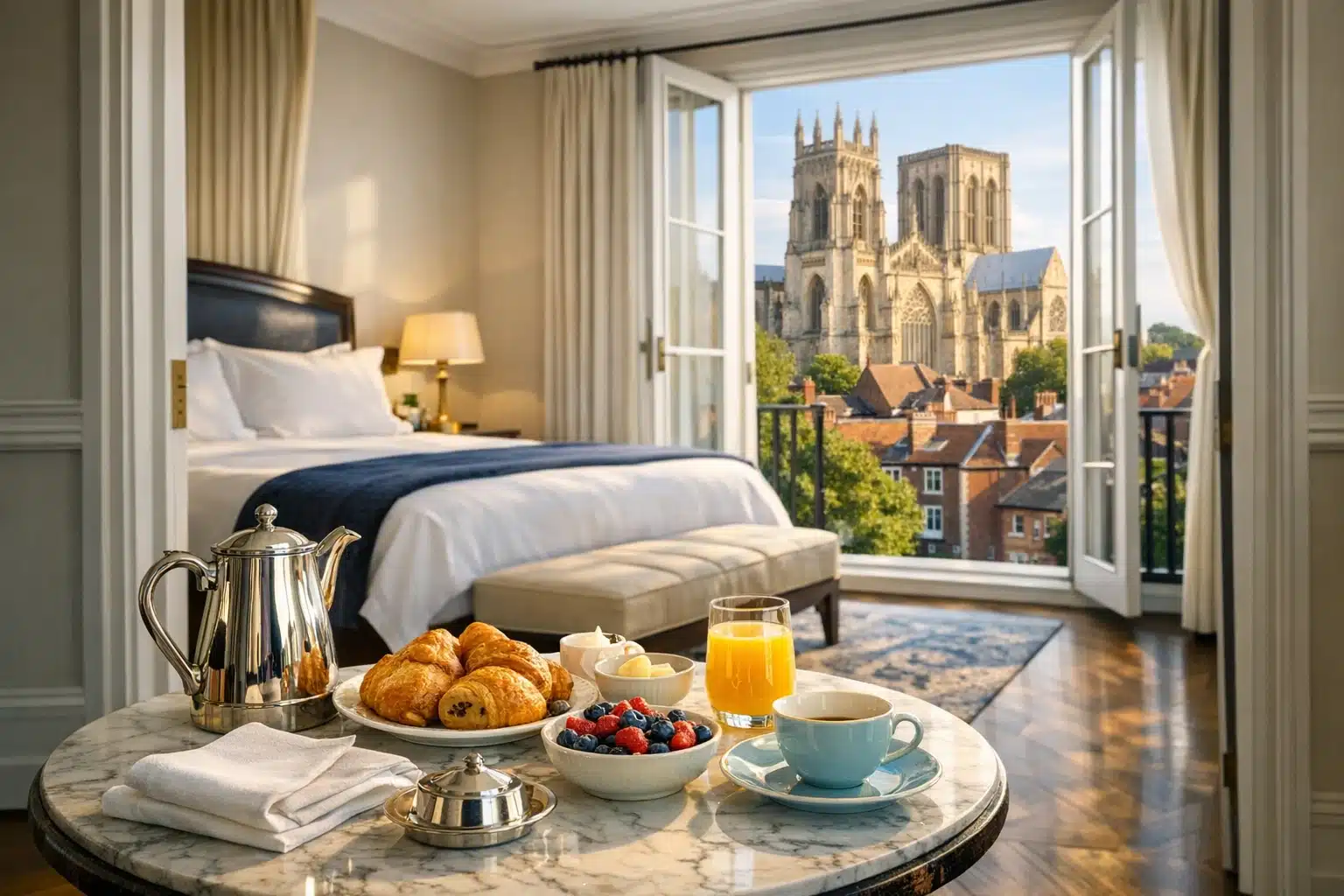
When a trip lasts only three nights, hotel quality affects the whole experience more sharply than many people expect. On a longer holiday, one inconvenient detail can be absorbed over time. On a quick city break, a poor mattress, noisy corridor, weak shower, or badly timed breakfast service can drag down an entire schedule. That is why comfort features deserve more attention than star ratings alone. A four-star property on a loud road may feel less restful than a well-run three-star hotel tucked into a quieter lane with excellent insulation and reliable service.
Location remains the first comfort feature because it influences both mood and budget. A hotel near Princes Street, Waverley Station, Haymarket, or the edge of the Old Town can reduce dependence on taxis and preserve valuable hours. After that, the basics matter enormously:
• supportive beds and blackout curtains for proper sleep
• efficient heating, especially in colder months
• strong water pressure and clean bathrooms
• luggage storage before check-in or after check-out
• breakfast that starts early enough for day plans
• staff who can handle late arrivals without confusion
Travel trends show that guests now pay closer attention to practical amenities than decorative luxury. Fast Wi-Fi, contactless check-in, soundproof windows, and flexible cancellation policies can be decisive, particularly for travelers mixing leisure with a little remote work. Boutique hotels have also gained ground because they often pair style with a strong sense of place. In Edinburgh, that might mean a townhouse with period details, a modern room overlooking historic roofs, or a converted property that connects contemporary comfort with the city’s architectural character.
Another growing trend is the search for “frictionless comfort.” Travelers want the room to function smoothly without demanding energy. They appreciate simple lighting controls, enough plug sockets, thoughtful storage, and a lobby that feels welcoming rather than performative. For couples, comfort may mean atmosphere and walkability. For solo visitors, it may mean security and easy transit access. For families or friends, it can mean room configuration and breakfast flexibility. In every case, the short-stay model rewards hotels that make arrival easy, nights quiet, and mornings efficient. Those details rarely dominate glossy brochures, yet they often determine whether the break feels calming or compressed.
How Short-Stay Travel Trends Are Reshaping the Edinburgh Break
The three-night city break has become a useful format for modern travelers because it fits around limited annual leave, rising transport costs, and a broader desire for manageable experiences. Instead of chasing a long itinerary that requires months of planning, many people now prefer a compact trip that offers cultural reward without logistical fatigue. Edinburgh benefits from this shift because its airport, rail connections, and compact center make the arrival-to-exploration transition relatively smooth. That convenience supports both weekend travel and midweek escapes, each with different strengths.
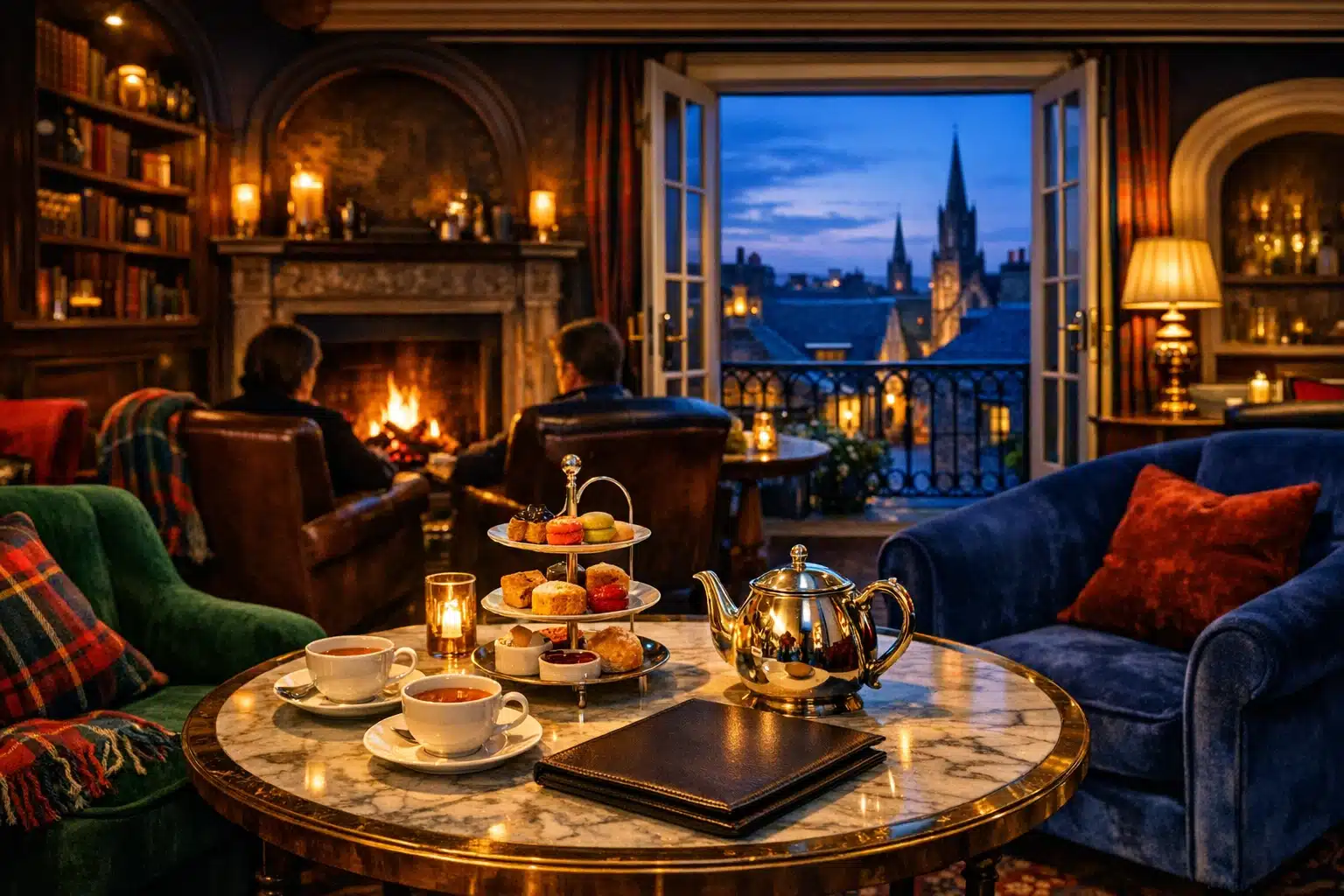
Weekend breaks tend to appeal to first-time visitors who want atmosphere, busy streets, and a lively dining scene. Midweek stays often attract travelers looking for lower rates, thinner queues, and a slightly more relaxed tempo. Seasonality matters too. Summer brings festivals, longer daylight hours, and a high-energy mood, but it also increases prices and competition for rooms. Autumn and late spring often deliver a strong balance of beauty and breathing room. Winter, especially outside the festive rush, can be attractive for those who enjoy museums, historic interiors, and dramatic weather seen from a warm café rather than from a packed event line.
Another trend is the move away from checklist tourism. Travelers increasingly want one or two standout experiences paired with time to wander. In Edinburgh, that might mean visiting the castle, taking a guided Old Town walk, then leaving space for independent moments in Dean Village, the Grassmarket, or the New Town. A short trip no longer has to mean constant movement. Many visitors now judge success by how coherent the journey feels rather than by the number of ticket stubs collected.
Technology also shapes behavior. Mobile boarding passes, digital maps, timed-entry bookings, and instant restaurant reservations make short breaks more efficient, but they can also encourage overscheduling. The best modern city breaks use technology as a support, not as a master. Edinburgh is especially good for that balance because much of its appeal comes from atmosphere: stone closes after rain, layered views from a hill, the echo of footsteps in an old passage, a warm dining room after a windy walk. Short-stay travel trends are pushing travelers toward flexibility, and this city rewards exactly that approach.
Is a 3-Night All-Inclusive Edinburgh Break Actually Worth It?
Value in travel is never just about the lowest price. It comes from the relationship between cost, convenience, time saved, and the quality of what you experience. A three-night all-inclusive Edinburgh break can be worth it when the package removes enough planning pressure to make the short format feel generous. That is especially true for travelers who want a first visit without comparing dozens of hotels, transport options, and attraction timings. When the accommodation is central, breakfast is covered, and at least one meaningful extra is bundled in, the offer becomes more than a marketing label.
However, not every traveler benefits in the same way. Independent planners who enjoy hunting rail deals, choosing small guesthouses, and building their own route may find a package less flexible than booking separately. Food-focused visitors may also prefer freedom over prepaid dining, since Edinburgh’s restaurant scene ranges from historic pubs to modern tasting rooms and neighborhood cafés. In those cases, a package with breakfast only may actually represent better value than a fully structured arrangement. The smart question is not “Is all-inclusive always cheaper?” but “Does this bundle reduce hassle without limiting the trip I want?”
A useful comparison often looks like this:
• package travel works well for first-timers, couples, and time-poor professionals
• independent booking may suit repeat visitors and highly specific itineraries
• central hotels usually beat peripheral savings on a three-night schedule
• one included attraction can be more valuable than vague add-ons
• flexible cancellation can outweigh a small headline discount
For many travelers, the real advantage lies in mental ease. Short breaks succeed when they start smoothly and maintain momentum. Edinburgh’s appeal is built on atmosphere, proximity, and history, so wasted time stands out quickly. If a package gives you a dependable bed, a practical location, simple breakfasts, and a clear framework for exploration, it can absolutely be worth it. Not because it promises luxury at every turn, but because it protects the most limited resource on a three-night trip: usable time.
Conclusion for Short-Stay Travelers
If you are considering a brief escape to Edinburgh, the strongest package is usually the one that combines a well-placed hotel, realistic inclusions, and enough flexibility to let the city breathe. Historic attractions give the trip substance, comfort features shape daily ease, and current travel trends favor shorter journeys that feel curated rather than cramped. For first-time visitors, an organized three-night break can remove uncertainty and create a smooth introduction to the city. For experienced travelers, it is still worth examining the details closely, because genuine value comes from fit, not from labels.