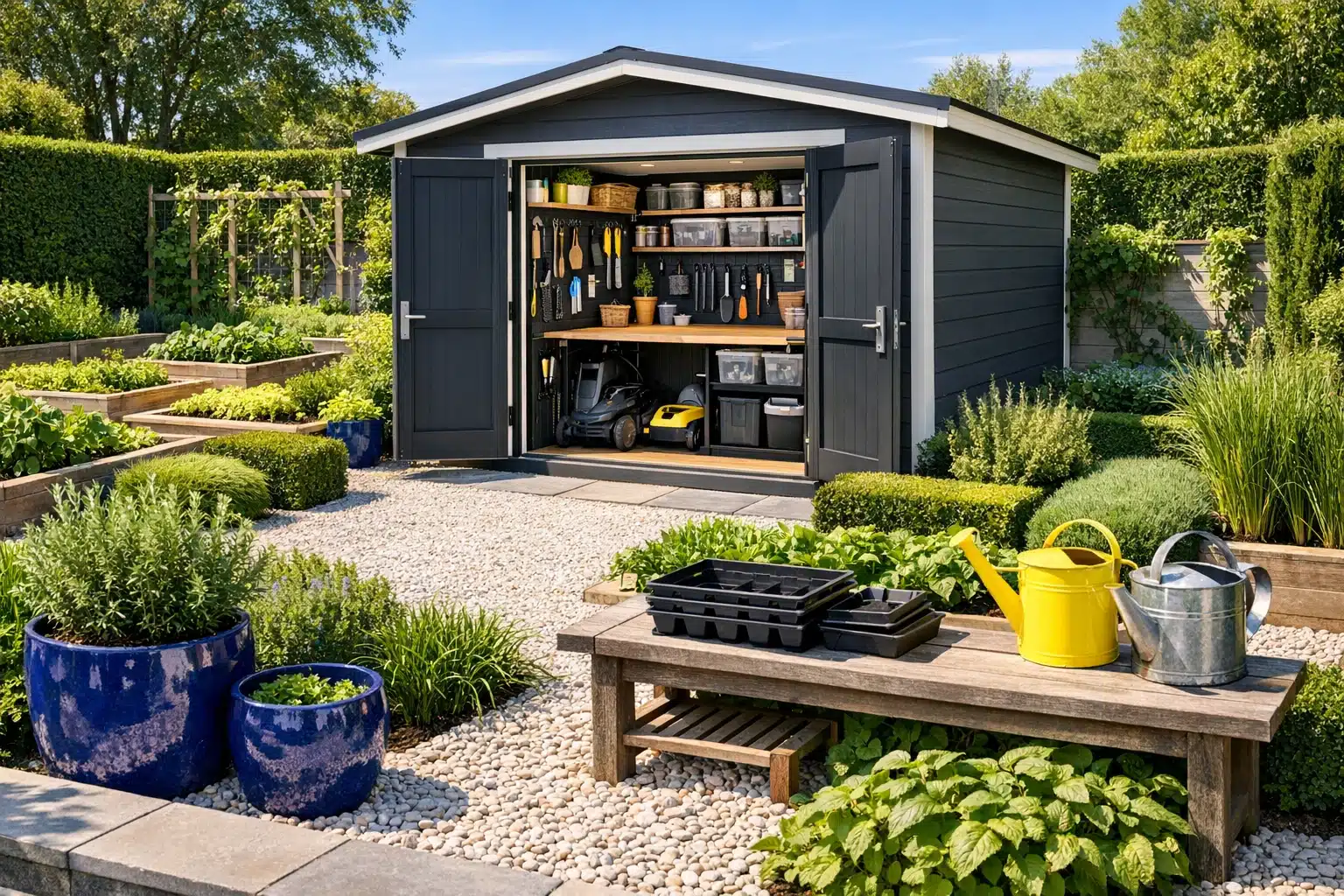
 Artificially generated image
 Savvy Buyer’s Guide to Unsold Garden Sheds: Quality Meets Value
Outdoor spaces do more work than they often get credit for, storing tools, protecting equipment, and shaping the way a garden feels from one season to the next. Once clutter starts creeping onto paths and patios, even a lovely yard can look unfinished. The right storage plan does more than hide belongings; it protects what you own, saves time, and makes everyday tasks easier. That is why shed style, build quality, and garden organization deserve careful attention before any money changes hands.
Outline:
- Assessing outdoor storage needs and matching them to practical solutions
- Comparing shed style variations, materials, and design strengths
- Evaluating unsold garden sheds for quality, price, and long-term value
- Applying smart garden organization ideas to keep the yard efficient
- Summarizing key buying advice for homeowners and garden enthusiasts
Assessing Outdoor Storage Needs Before You Buy
The smartest shed purchase usually begins long before anyone compares price tags. It starts with a simple question: what exactly needs a home outdoors? Many buyers underestimate their storage needs by focusing only on large items such as lawn mowers or bicycles. In reality, the small things often create the biggest mess. Pots, fertilizers, pruning tools, hoses, outdoor cushions, seed trays, extension cords, and seasonal decorations can quietly take over a patio. A good storage plan gathers all of those wandering items and gives them logical places to live.
One useful method is to divide outdoor belongings into categories based on frequency of use and sensitivity to weather. For example, hand tools and watering cans should stay easy to reach, while holiday lights or spare planters can sit on higher shelves. Items that rust, fade, or warp need a dry enclosure, while heavy-duty bins may be fine in a deck box or weather-resistant cabinet. A typical 8 by 10 foot shed offers 80 square feet of floor space, which is often enough for a mower, shelving, and a compact workbench. Smaller gardens may function well with a lean-to shed, vertical locker, or resin storage chest rather than a full building.
When assessing needs, it helps to consider:
- Available footprint and setback rules in your area
- Door width needed for wheelbarrows, mowers, or bikes
- Height clearance for rakes, shovels, and long-handled tools
- Moisture exposure, drainage, and sun intensity
- Security needs for power tools or expensive equipment
Climate matters more than many first-time buyers expect. In wet regions, ventilation and a raised base help reduce trapped moisture. In snowy areas, roof pitch matters because flatter roofs can hold more weight. In hot, sunny climates, lighter finishes and UV-resistant materials can help limit heat buildup inside. Think of outdoor storage as a working part of the landscape, not a leftover corner. When it is planned with actual habits in mind, the yard begins to feel calmer, more efficient, and noticeably easier to maintain.
Shed Style Variations and Material Trade-Offs
Shed design is not merely decorative. Style affects storage volume, headroom, weather performance, and how naturally the structure fits into the garden. Among the most common options, the gable shed remains popular because its classic peaked roof balances looks and practicality. It sheds rain and snow well, offers decent wall height, and suits many home styles. Gambrel or barn-style sheds add more overhead space, making them useful for loft storage. If you need to stow lightweight seasonal items above eye level, that extra roof volume can be a real advantage. Lean-to sheds, by contrast, work well along fences or house walls where space is tight. They are compact, efficient, and often easier to fit into narrow side yards.
There are also saltbox, cottage, and modern studio-style sheds. Saltbox designs can improve water runoff with an asymmetrical roof. Cottage sheds often prioritize appearance, with windows, trim, and flower boxes that let the structure blend into ornamental gardens. Modern sheds usually feature clean lines, wider doors, and a simple profile that suits contemporary landscapes. A shed can be practical and still have a little personality. In a well-kept yard, it should feel less like a forgotten box and more like a quiet supporting actor on an organized stage.
Material choice is just as important as shape. The three main categories are wood, metal, and resin or plastic.
- Wood sheds are attractive, customizable, and easy to modify with shelves or hooks. They usually need more upkeep, including sealing, painting, or staining.
- Metal sheds resist insects and rot, and galvanized steel models can be durable for many years. They may be noisier in rain and can develop condensation if ventilation is poor.
- Resin sheds are low maintenance, lightweight, and resistant to rust and decay. Their appearance is more fixed, and structural strength varies by brand and wall thickness.
For buyers, the best choice depends on priorities. If appearance and customization matter most, wood is often worth the maintenance. If budget and durability are the main concerns, metal can be sensible. If ease of ownership is the goal, resin often appeals to busy households. A good shed is not the one with the flashiest roofline. It is the one whose style, material, and size match daily use without creating extra headaches later.
Why Unsold Garden Sheds Can Be a Smart Value Purchase
Unsold garden sheds can offer excellent value, but only when buyers understand why they remain unsold in the first place. An unsold shed is not automatically a flawed shed. In many cases, it may simply be overstock from a previous season, a discontinued color, a canceled custom order, or a floor model that never found a buyer. Retailers often need yard space for new inventory, and that creates room for price flexibility. For budget-conscious homeowners, this can be the sweet spot where quality meets savings.
Still, a lower price should invite closer inspection, not blind enthusiasm. Begin with the structure itself. Check doors for smooth alignment, inspect the roofline for warping, and look for signs of water exposure if the shed has been stored outdoors. On wood models, look for splitting, soft spots, or fasteners that have begun to loosen. On metal sheds, inspect corners and fastener points for corrosion or scratched coatings. On resin models, pay attention to panel cracks, UV fading, and any distortion caused by heat. Floor models deserve extra scrutiny because repeated opening, closing, and climbing in and out can cause wear in hinges, flooring, and trim.
A practical inspection checklist includes:
- Condition of framing, panels, roofing, and floor system
- Presence of missing hardware, anchors, vents, or trim pieces
- Warranty status and whether it transfers with the sale
- Delivery costs, assembly requirements, and return terms
- Compatibility with your planned base or foundation
It is also wise to compare the discounted price against the full installed cost, not just the sticker on the shed. A bargain becomes less attractive if delivery fees, foundation work, or missing parts push the total close to the cost of a new model. Ask whether cosmetic flaws are only visual or if they affect weather resistance. Many retailers will negotiate further on display units, especially near the end of peak selling season. For patient shoppers, unsold sheds can be a practical route to better value, provided the decision is grounded in inspection, warranty details, and realistic installation costs rather than excitement alone.
Garden Organization Ideas That Make Storage Work Harder
Buying a shed solves only part of the problem. Without an organization plan, even a spacious structure can become a crowded maze of tangled hoses, half-used compost bags, and tools hiding exactly when they are needed most. The best gardens run on flow. You should be able to step outside, grab what you need, complete a task, and put everything back without turning the process into a treasure hunt. That is where thoughtful organization turns storage from passive space into a useful system.
A reliable approach is to organize by activity zone. Keep planting supplies near a potting area, lawn care items near the mower, and irrigation tools near the hose connection. Frequently used tools should live between waist and shoulder height, where they are easiest to grab. Seasonal or low-use items can move to upper shelves or sealed bins. Wall-mounted rails, pegboards, and vertical racks are especially useful in smaller sheds because they free up floor space. Clear bins help identify contents quickly, while labels reduce the temptation to toss everything into one corner after a long day in the yard.
Useful organization upgrades often include:
- Hooks for long-handled tools such as rakes, hoes, and spades
- Narrow shelving for seed packets, gloves, and hand trowels
- A fold-down bench for potting or light repairs
- Weatherproof containers for fertilizers and garden chemicals
- A dedicated bin for children’s outdoor toys or pet supplies
Good garden organization also improves safety. Fuel, pesticides, and sharp tools should be stored securely and separately from casual-use items. Heavy objects belong low to the ground to reduce lifting risk. Pathways inside the shed should stay open enough for stable movement, especially when carrying equipment. Outside the shed, simple additions such as gravel walkways, labeled planting crates, and hidden hose reels can keep the whole yard cleaner and easier to navigate.
There is a quiet pleasure in a well-ordered garden. You open a door, and every object seems to know its place. The trowel waits on its hook, the twine sits in its box, and the watering can is ready for the next dry afternoon. That sense of readiness saves time, but it also makes the space more enjoyable. Organization is not about perfection. It is about creating a garden that supports the way you actually live and work outdoors.
Conclusion: Choosing Wisely for a Cleaner, More Useful Garden
For homeowners, hobby gardeners, and anyone tired of outdoor clutter, the right storage setup can make a noticeable difference in both appearance and daily convenience. A thoughtful purchase begins with an honest inventory of what you need to store, how often you use it, and how much room your property can comfortably spare. From there, shed style and material become easier to judge. A compact lean-to may suit one household perfectly, while another may need a larger gambrel shed with loft space and wide access doors.
Unsold garden sheds deserve special attention because they can offer genuine value without forcing buyers to settle for poor quality. The key is to inspect carefully, ask direct questions, and compare total ownership costs rather than focusing on a discount alone. A floor model with minor cosmetic wear may still be a strong buy if the structure is sound, the warranty remains valid, and delivery is manageable. On the other hand, a bargain that needs repairs, replacement parts, and a complex foundation may not be a bargain at all.
Once the shed is in place, organization determines whether it becomes a long-term asset or just another crowded corner. Shelving, hooks, labeled bins, and activity-based zones help every square foot work harder. Even a modest structure can feel spacious when the layout reflects real habits. The result is not simply cleaner storage, but a garden that is easier to maintain, safer to use, and more enjoyable to spend time in.
If you are a practical buyer looking for quality without overspending, this topic matters because outdoor storage affects far more than appearances. It influences maintenance time, product lifespan, and the overall usability of your yard. Choose with patience, inspect with care, and organize with intention. Do that, and your shed will not just hold tools; it will quietly support a better outdoor routine season after season.