Beyond the Buffet: The Modern Guide to Affordable Adults-Only Luxury
Introduction
Luxury travel no longer belongs only to splurge-heavy anniversaries or once-a-decade honeymoons. Couples today are comparing boutique adults-only stays, flexible booking tactics, and amenity bundles to create trips that feel polished without becoming financially reckless. That shift matters because modern romance is often measured in quiet, design, and time together rather than sheer excess. This guide maps out how to find privacy, comfort, and memorable extras while keeping value firmly in view.
Article Outline
This article moves through five practical stages. It begins by explaining why child-free boutique stays appeal to couples who want a calmer setting. It then breaks down realistic ways to plan a romantic trip on a manageable budget, followed by a close look at premium amenities that genuinely improve the experience. The final sections compare destination styles and end with a focused planning summary for travelers who want beauty, privacy, and sensible spending to coexist.
1. Why Child-Free Boutique Stays Feel Different
For many couples, the appeal of a child-free boutique hotel has less to do with exclusivity and far more to do with atmosphere. Adults-only properties are usually designed around quiet routines: slower breakfasts, low-volume common areas, intimate pool decks, and evening spaces that encourage conversation instead of constant activity. Boutique hotels add another layer by keeping the scale smaller. Rather than hundreds of rooms arranged around a giant entertainment program, many boutique stays operate with a more personal footprint, often in the range of a few dozen rooms or suites. That smaller setting can reshape the entire mood of a trip.
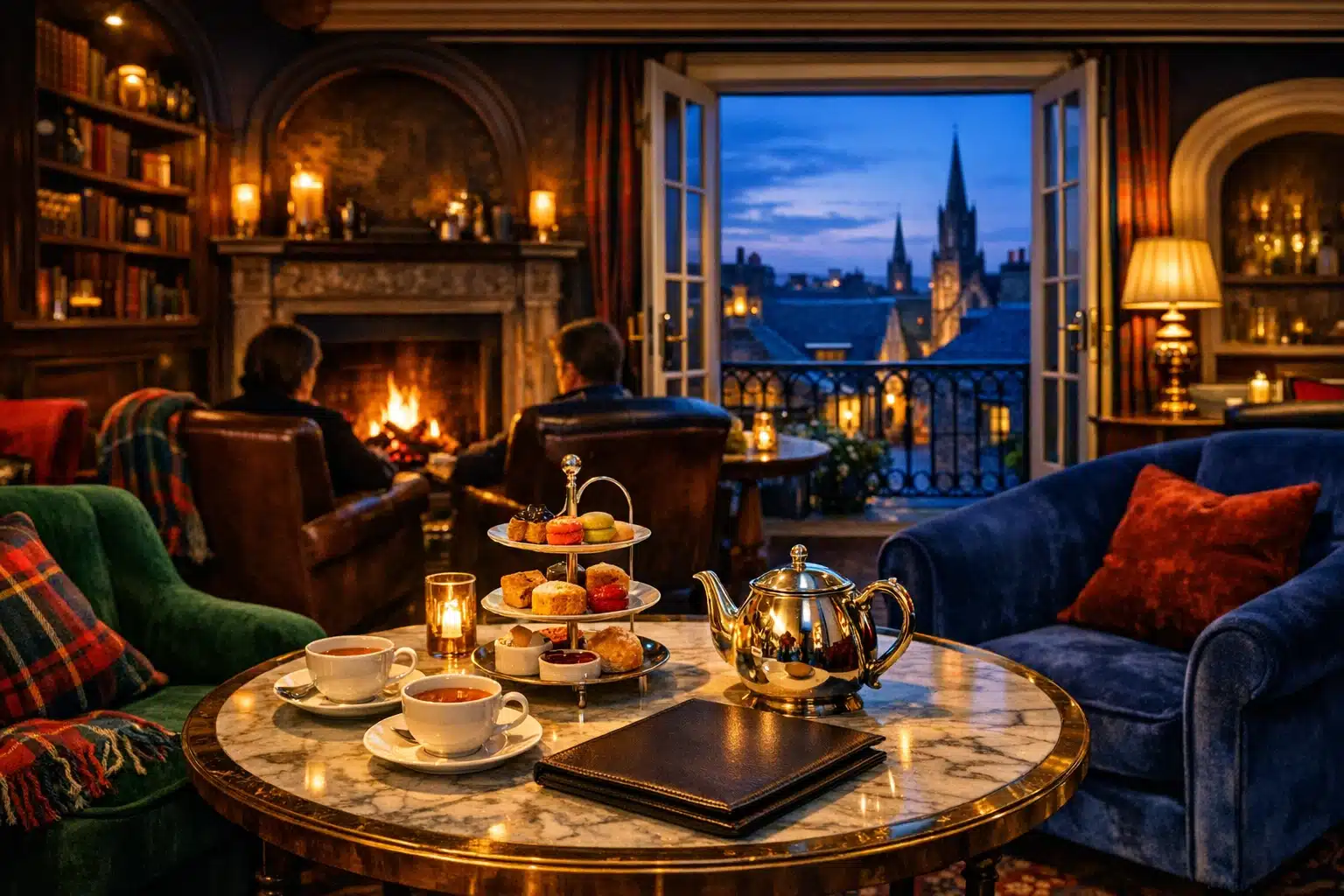
The contrast becomes obvious the moment a couple checks in. Large resorts are often efficient, but they are also built to handle high traffic, family logistics, and broad entertainment needs. Boutique adults-only properties tend to feel more curated. Decor is frequently more distinct, service is less transactional, and the design of shared spaces encourages a softer rhythm. A courtyard with lanterns, a library bar, a rooftop plunge pool, or a breakfast terrace facing the sea can make a stay feel memorable without requiring a wildly expensive rate. What travelers are really buying is not only a room, but also a setting where silence is not rare.
There are practical reasons this segment has grown more attractive. Couples with limited vacation days want emotional payoff from shorter trips. If a weekend break is only two or three nights long, noise, crowding, and long waits matter more than they might on a ten-day holiday. Adults-only boutique stays can reduce those friction points. They often provide faster access to amenities, more attentive staff interaction, and a stronger sense of privacy. None of this guarantees perfection, of course. The label alone is not enough. Some properties use the language of calm while delivering little more than a standard hotel with beige branding.
Smart travelers look for specifics before booking. Useful signs include: • soundproofing mentioned in reviews • room counts low enough to support a quieter setting • dining that emphasizes reservation quality instead of buffet volume • common areas designed for reading, lingering, and conversation • clear age policies that match the atmosphere promised in the listing. When these details line up, a child-free boutique stay can feel less like a generic getaway and more like a carefully framed pause from ordinary life.
2. How Budget Romantic Travel Works Without Feeling Cheap
Budget romantic travel is not about chasing the lowest number on a booking screen. It is about spending with intention, so the trip feels elevated in the places that matter and restrained where costs bring little joy. Many couples make the mistake of equating romance with nonstop upgrades, but value often comes from timing, trip shape, and smart trade-offs. A smaller but beautifully designed room, for example, can be a better choice than a large suite in a noisy property with weak service.
Discover how to book high-end, adults-only hotels at accessible prices, featuring tailored guides for couples seeking peace, privacy, and value.
The first lever is timing. Shoulder season travel, usually just before or after the busiest months, can deliver the same destination personality with lighter crowds and more flexible pricing. A coastal town in late spring or early autumn may offer warm weather, open restaurants, and better room selection without peak-season pressure. Midweek stays can also shift the math, although the pattern changes by location. Resort properties are often pricier on weekends, while city hotels may drop rates on Friday and Saturday when business demand falls. Couples who compare both patterns instead of assuming one rule applies everywhere can uncover strong options.
The second lever is booking structure. Direct booking sometimes brings perks such as breakfast, room preference, spa credit, or later checkout. Online travel agencies can be useful for comparison, but the cheapest displayed rate is not automatically the best value once parking, resort fees, and meal costs enter the picture. It helps to compare the full nightly cost rather than the headline price. A room that is twenty dollars more per night but includes breakfast for two may actually reduce total trip spending.
Practical tactics are often simple: • travel with flexible dates instead of fixed weekends only • stay two nights rather than stretching to four mediocre ones • choose one premium dinner instead of dining expensively every evening • book a standard room if the hotel’s public spaces are a core attraction • watch cancellation policies so you can rebook if prices drop. In romantic travel, confidence comes from alignment. When price, timing, and mood support each other, the result feels intentional rather than compromised.
3. Premium Escape Amenities Worth Paying For
Not every premium amenity deserves a premium rate. Some are genuinely useful because they improve comfort, save time, or remove friction from a short couples trip. Others photograph beautifully and contribute almost nothing once the novelty fades. The trick is to separate theatrical luxury from lived luxury. Travelers often remember the ease of a quiet room, an excellent mattress, a deep soaking tub, or breakfast served on a shaded terrace more vividly than a flashy lobby scent or a decorative welcome drink.
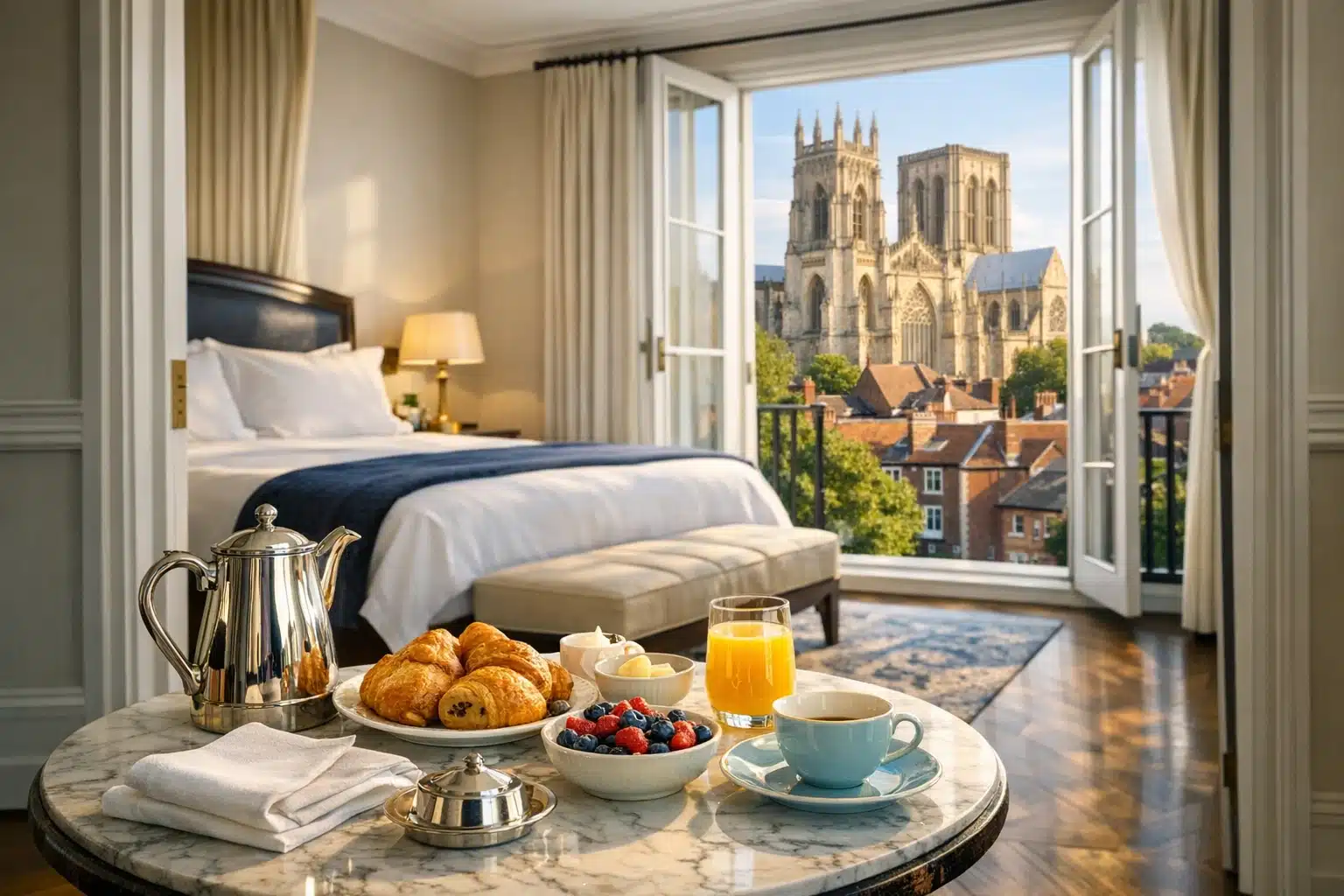
Among the most valuable extras are those that affect the entire stay. High-quality breakfast can save money and simplify mornings. Late checkout has real value on a final day, especially for couples with evening flights. Strong sound insulation can be worth more than a larger room. Spa access becomes particularly appealing when it is bundled intelligently, such as included thermal circuit entry rather than a vague discount on expensive treatments. Even practical additions like complimentary parking, transfers from a nearby station, or in-room coffee done properly can shape whether a property feels seamless or irritating.
It is also helpful to think in terms of usage rate. A private plunge pool might justify the cost on a secluded summer retreat where couples will spend hours outside. The same upgrade may be wasteful in a city hotel where most daylight hours are spent exploring neighborhoods, galleries, and restaurants. Similarly, a room with a dramatic ocean view can be worth the difference if the balcony is large enough to become part of the stay, but less so if the view is mostly symbolic and the window barely opens.
Amenities worth evaluating closely include: • breakfast quality and inclusion terms • outdoor space that is actually usable • bath design, water pressure, and temperature reliability • wellness access beyond marketing language • bedding quality and blackout control • minibar pricing and whether it is replenished meaningfully • concierge strength for restaurant reservations or local planning. Premium should mean easier, calmer, and more comfortable. If an amenity does not improve one of those categories, it may be better treated as decoration rather than value. Couples who think this way often end up with a stay that feels richer even when they spend less overall.
4. Matching the Stay to the Destination
A romantic budget is shaped as much by destination type as by hotel category. The same nightly rate can feel generous in one setting and restrictive in another because transport, food, seasonality, and local infrastructure change the final total. That is why couples comparing adults-only boutique stays should evaluate the whole trip ecosystem rather than the property in isolation. A countryside inn might charge more for the room but less for dining and activities. A city boutique hotel may post a lower room rate while quietly adding expensive parking, museum tickets, cocktails, and transport costs.
Coastal escapes often deliver strong emotional value because the setting itself provides entertainment. Long walks, beach time, harbor views, and sunset terraces can make a shorter stay feel full without constant spending. The trade-off is seasonality. In high summer, beachfront adults-only properties can carry substantial price pressure. In contrast, late spring and early autumn frequently offer a sweeter balance of weather and value. Mountain and lake destinations tend to reward couples who enjoy slower itineraries, scenic drives, and in-room downtime. These places often make premium amenities like fireplaces, saunas, or panoramic tubs feel more worthwhile because travelers spend more hours on property.
Urban boutique stays create a different kind of romance. The room may be smaller, but the city supplies energy, culture, and dining variety. This format works especially well for couples who care more about neighborhood atmosphere than resort-style lounging. In many cities, weekends can be surprisingly competitive for design-forward hotels, yet some business districts soften on leisure dates. It is important to compare neighborhoods as carefully as hotels. A beautiful property in a lifeless area can drain spontaneity from a short break.
When choosing between destinations, ask a few grounding questions: • Will you spend more time inside the hotel or outside exploring? • Is the trip centered on scenery, food, rest, or nightlife? • How much of the budget will disappear into transport before the holiday even starts? • Does the season support the amenities you are paying for? A premium escape feels most satisfying when the location, the hotel style, and the pace of the trip all point in the same direction. Once those pieces align, even a brief journey can carry the richness of something much larger.
5. Conclusion: Building a Couples Escape That Fits Real Life
The most satisfying romantic trips rarely come from copying someone else’s idea of luxury. They come from knowing what makes the two of you relax, reconnect, and feel looked after. For some couples, that means a child-free boutique hotel with a candlelit courtyard and an excellent breakfast. For others, it means a compact city stay with crisp sheets, late checkout, and a neighborhood full of walkable restaurants. The right answer is personal, but the planning method can remain practical.
Start with non-negotiables before looking at rates. If privacy matters most, prioritize adults-only policies, room layout, and review language about noise. If the goal is pure rest, focus on amenities that support staying in: bath comfort, terrace space, wellness access, and quality dining on site. If the trip is more about destination energy, save on room size and spend on location. This simple sorting process prevents couples from paying extra for features they will barely touch.
It also helps to build a budget in layers. First, calculate transport and taxes. Next, add the room at its real total, not the base rate alone. Then estimate food, parking, transfers, and one or two meaningful extras. That approach makes it easier to spot where a supposedly cheap stay becomes expensive, or where a slightly higher rate actually delivers stronger value. Thoughtful romance is often hidden in this math. A hotel that includes breakfast, a welcome aperitif, and flexible checkout can quietly outperform a cheaper property that charges for every small comfort.
For couples seeking peace, privacy, and value, the goal is not to imitate grand luxury but to create a stay that feels proportionate, beautiful, and easy to enjoy. Choose fewer nights if necessary. Travel in a smarter season. Pay for amenities you will genuinely use. When you do, the escape stops feeling like a compromise and starts feeling like a finely edited experience, which is often the most modern version of luxury available.