 Artificially generated image
 2-Night All-Inclusive Lake District Spa Retreat: What to Expect
Outline and Why a Two-Night Spa Break Appeals
Few short breaks combine mountain views, quiet luxury, and practical relaxation as smoothly as a Lake District spa retreat. A two-night stay is long enough to leave daily pressures behind, yet short enough to feel manageable for couples, friends, or solo travelers. The real value comes from knowing what is included before booking, from meals and treatments to thermal access and room comforts. With that clarity, it becomes much easier to choose a stay that genuinely supports rest rather than simply sounding indulgent.
This topic matters because spa travel is often sold through polished images and vague package labels, while the actual guest experience depends on details. One hotel may include a sixty-minute treatment, dinner on both evenings, and unrestricted thermal access. Another may use similar language but offer only breakfast, a shorter treatment, and a timed spa session. For travelers planning a brief getaway, those differences shape whether the stay feels seamless or overly scheduled.
To make comparisons simpler, this article is organized around the main elements people usually want to understand before booking:
- What an all-inclusive Lake District spa retreat often covers
- Which wellness activities and calming experiences guests tend to explore
- How spa facilities and comfort features affect the quality of a short stay
- What practical questions help travelers judge value, pace, and suitability
A two-night format also occupies a useful middle ground between a day spa and a longer resort holiday. A day visit can feel rushed, especially if travel time eats into the treatment schedule. A week-long retreat, on the other hand, requires more budget and planning. Two nights allow enough space for a proper arrival, an evening meal, a full day of spa use, and a final morning that still leaves room for a slow breakfast or lakeside walk.
In the Lake District, setting plays a major role in that experience. The region’s wooded slopes, reflective water, stone-built hotels, and shifting weather naturally support the retreat mood. Even before the robe, the herbal tea, or the heated pool, the landscape begins the work of helping guests slow down. That combination of scenery and service is exactly why these breaks remain so relevant for travelers looking for rest without the complexity of a long-distance wellness holiday.
What Is Usually Included in a Lake District All-Inclusive Spa Package
The phrase all-inclusive can mean different things in different travel markets, and in UK spa hotels it usually refers to a bundled short-break package rather than unlimited food and drinks around the clock. In practice, a two-night Lake District spa retreat commonly includes accommodation for two nights, breakfast each morning, at least one evening meal, access to the spa, and either a treatment per guest or a treatment allowance. Some packages add afternoon tea, lunch, a welcome drink, or a later checkout, but those extras vary widely between properties.
A typical package may include a classic or upgraded room, fluffy robes, slippers, and toiletries placed in the room before arrival. Breakfast is often a full hotel breakfast with cooked and continental options. Dinner can be more complex: some offers include a set menu, while others provide a monetary dining credit that can be used across several courses. That distinction matters because a credit-based dinner may not fully cover premium dishes, sides, or drinks. Travelers who assume everything is covered can end up spending more than expected.
Treatment inclusions are another key area to examine closely. Many short spa breaks offer one treatment of around 25 to 60 minutes per person. Common choices include:
- Back, neck, and shoulder massage
- Express facial
- Full body massage
- Scalp treatment or foot ritual
- Mud or salt-based body treatment
Spa access may be available throughout the stay or limited to reserved time slots. On busy weekends, some hotels use pre-booked thermal sessions to manage numbers and keep the environment comfortable. That is not necessarily a disadvantage, but it should be understood in advance.
Explore Lake District spa retreat trends with insights on wellness stays, scenic hotel experiences, spa facilities, and relaxing escapes.
Many packages also include practical comforts that are easy to overlook when comparing headline prices. Parking, Wi-Fi, access to relaxation lounges, and use of outdoor hot tubs or hydrotherapy pools can all affect value. Some hotels include fitness classes or morning yoga, while others focus purely on treatment-led relaxation. The smartest comparison is not between labels, but between line-by-line inclusions. When travelers read the package details carefully, the difference between a good deal and a truly restful retreat becomes much clearer.
Wellness and Relaxation Experiences Travelers Commonly Explore
Travelers rarely book a Lake District spa retreat for treatments alone. What they are usually seeking is a layered experience: a gentler pace, a shift in routine, a sense of physical comfort, and some contact with nature. That is why the most appreciated stays combine spa time with small, thoughtful rituals. A morning dip in a warm vitality pool, a slow breakfast overlooking fells, an afternoon facial, and an evening walk before dinner can feel more restorative than a tightly packed schedule of appointments.
Many guests begin with hydrotherapy because it offers low-effort relaxation almost immediately. Warm pools, water jets, steam rooms, and saunas help mark the transition from travel mode to retreat mode. After that, experiences tend to fall into two broad styles. Some travelers prefer active wellness, using the stay to reawaken the body through yoga, stretching sessions, gym visits, or guided walks. Others lean toward stillness, choosing reading lounges, naps between treatments, breathing classes, or simply time spent watching weather move across the water.
Common experiences on short spa getaways include:
- Thermal circuits that alternate heat, steam, and cooling elements
- Gentle movement classes, often lasting 30 to 45 minutes
- Mindfulness or meditation sessions in quiet studios
- Lakeside or woodland walks linked to the hotel grounds
- Afternoon tea or light lunches designed to extend the sense of pause
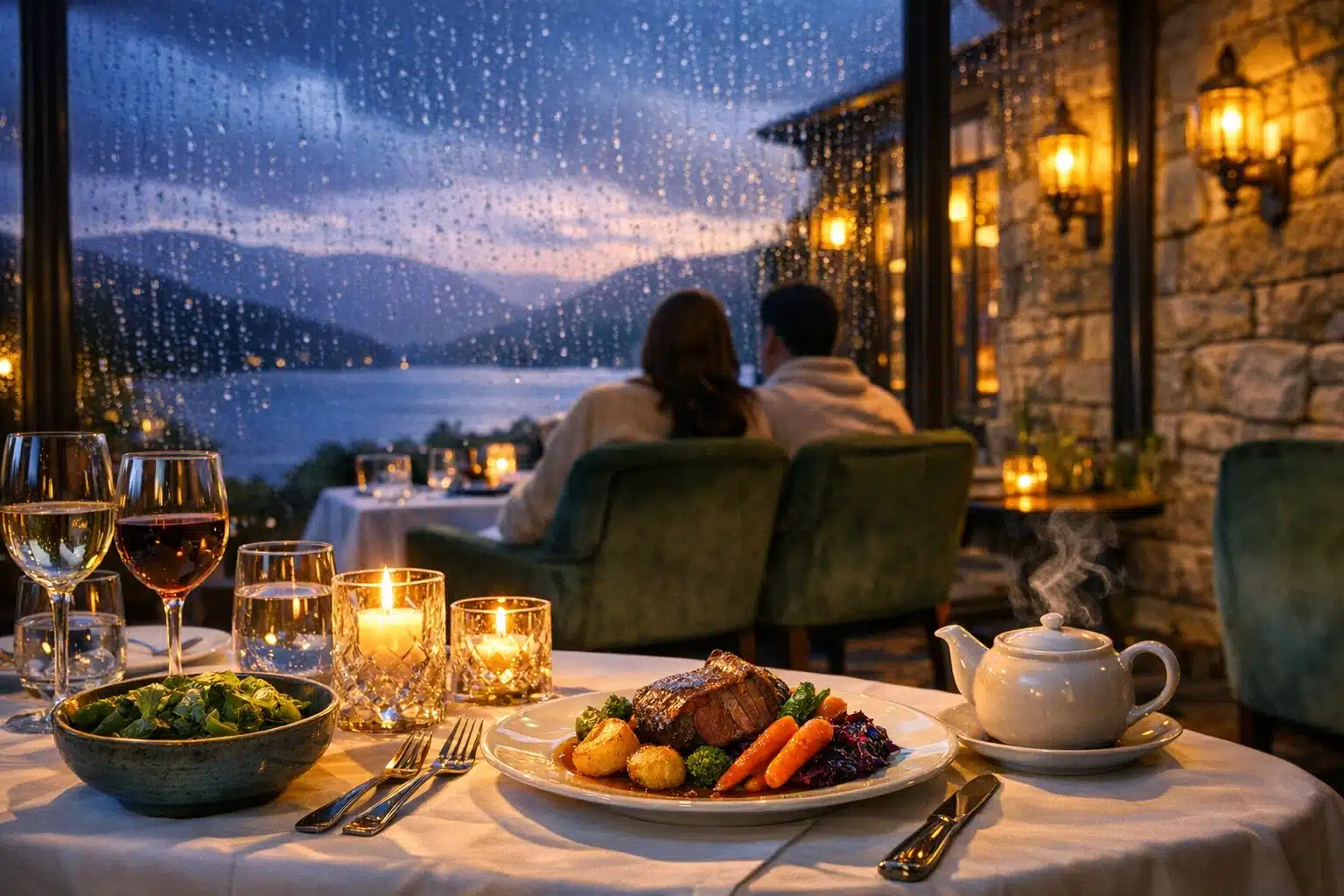
The Lake District adds something distinctive to this mix. In a city spa, relaxation can feel enclosed and intentional. Here, it often feels atmospheric. Mist hanging over a lake in the early morning, rain tapping softly against the windows of a relaxation room, or the contrast between crisp outdoor air and a warm pool can make familiar spa activities feel more memorable. The region invites a slower form of attention.
There is also a social dimension worth noting. Couples often use these stays to share quiet time without needing a full itinerary. Friends may split their day between treatments and conversation in the lounge. Solo travelers frequently value the legitimacy of doing very little without apology. In that sense, a spa retreat is not only about wellness services; it is also about permission. It allows people to replace deadlines, screens, and noise with warmth, calm, and a sequence of manageable pleasures that fit neatly into a short break.
Spa Facilities and Comfort Features That Matter on a Short Stay
When a getaway lasts only two nights, facilities matter because they shape how much relaxation can fit into limited time. The most useful spa spaces are those that are easy to enjoy without complicated scheduling. A well-designed thermal suite can deliver real value even before any treatment begins. Guests often look for a mix of amenities that allow them to vary the pace of the day, moving from active use of the pool to quieter moments in heated loungers or a low-lit relaxation room.
Typical spa facilities in Lake District hotels may include an indoor swimming pool, hydrotherapy or vitality pool, sauna, steam room, and treatment rooms. More premium properties might add outdoor hot tubs, panoramic saunas, experience showers, salt inhalation rooms, or cold-water features such as ice fountains. These extras are not essential, but they can make a short stay feel richer because they introduce contrast. Heat followed by cool air, movement followed by stillness, and indoor calm followed by mountain views create a satisfying rhythm.
Comfort features beyond the spa are equally important. Since guests spend only a small share of the trip on the treatment bed, the room itself becomes part of the wellness experience. Travelers often appreciate:
- Blackout curtains and quiet corridors for better sleep
- Deep baths or spacious walk-in showers
- Good mattresses, supportive pillows, and reliable temperature control
- Tea and coffee facilities, chilled water, and a place to sit comfortably
- Views of gardens, woodland, or the surrounding fells
Short breaks also expose practical weaknesses quickly. If check-in is late, treatment times are scarce, and the spa is crowded, the retreat can feel compressed. That is why guest comfort depends partly on logistics. Clear booking systems, robe availability, enough loungers, and sensible dining times all matter more than glossy branding. Larger resort hotels may offer more facilities, but boutique properties sometimes feel calmer because there are fewer guests competing for the same spaces.
Accessibility deserves attention as well. Travelers may want step-free access, lifts to treatment floors, quieter rooms, or adapted changing facilities. For anyone comparing options, the most useful questions are simple: How long is spa access each day? Are treatments included or just discounted? Is the outdoor area usable year-round? On a rainy afternoon in the Lake District, a sheltered hot tub or tranquil indoor lounge can make all the difference. Comfort, in this context, is not a luxury extra. It is the framework that allows a short stay to feel easy rather than hurried.
Choosing the Right Escape: A Practical Summary for Lake District Travelers
For travelers considering a two-night spa break in the Lake District, the best choice usually comes down to fit rather than image. A retreat that suits one guest perfectly may feel disappointing to another. Someone wanting deep relaxation may prefer a hotel with a strong thermal suite, quiet dining room, and generous treatment inclusion. Someone else may be happier in a more active property with walking routes, a lively pool area, and flexible meal times. Matching the package to your preferred pace is often more important than chasing the most expensive option.
Before booking, it helps to think in terms of experience design. Ask what you want the two nights to feel like. Do you want to arrive, switch off, and remain mostly indoors? Are you hoping to balance spa time with outdoor exploring? Is the stay mainly about sleep, food, and scenery, or are treatments the main event? Clear answers make it easier to choose between hotels that otherwise look similar online.
A practical checklist can save money and prevent disappointment:
- Confirm exactly which meals are included and whether dinner is credit-based
- Check treatment length, available choices, and whether booking ahead is required
- Find out if spa access is unlimited or restricted to specific sessions
- Review room type, view category, and checkout time
- Look for weekend supplements, parking charges, and optional extras
For couples, these retreats often work best when the schedule leaves room for spontaneity. For friends, a package with varied facilities helps everyone find their own rhythm. For solo travelers, safety, comfort, and ease of movement through the property can matter just as much as luxury touches. In all cases, the ideal short break is one that feels coherent: nourishing meals, restful sleep, pleasant service, and enough wellness access to create a genuine change of pace.
In the end, a two-night Lake District spa retreat is less about grand transformation and more about well-judged restoration. It gives busy travelers a manageable window in which scenery, warmth, and thoughtful hospitality can do their work. If you compare inclusions carefully and choose a hotel that aligns with how you actually relax, the result is often a stay that feels both indulgent and sensibly planned. That balance is what makes these short escapes so appealing to modern travelers.