 Artificially generated image
 2-Night All-Inclusive Lake District Spa Retreat: What to Expect
The appeal of a two-night spa retreat in the Lake District lies in how quickly it changes the pace of a trip, replacing schedules and screens with water, woodland, and long views across the fells. For many travelers, these short breaks offer a practical way to rest deeply without committing to a week away. They also show how modern wellness hotels combine treatment menus, dining, and landscape into one seamless experience. This guide explains what is commonly included, which experiences deserve attention, and how comfort features shape the quality of a short stay.
Outline
- What most all-inclusive Lake District spa retreats include, from meals to treatment access
- Wellness experiences travelers often explore during a short restorative break
- Spa facilities and room features that influence comfort during an overnight stay
- How to compare packages, value, style, and practical booking details
- Final guidance for travelers planning a short but meaningful spa escape
What Is Usually Included in a 2-Night Lake District Spa Retreat
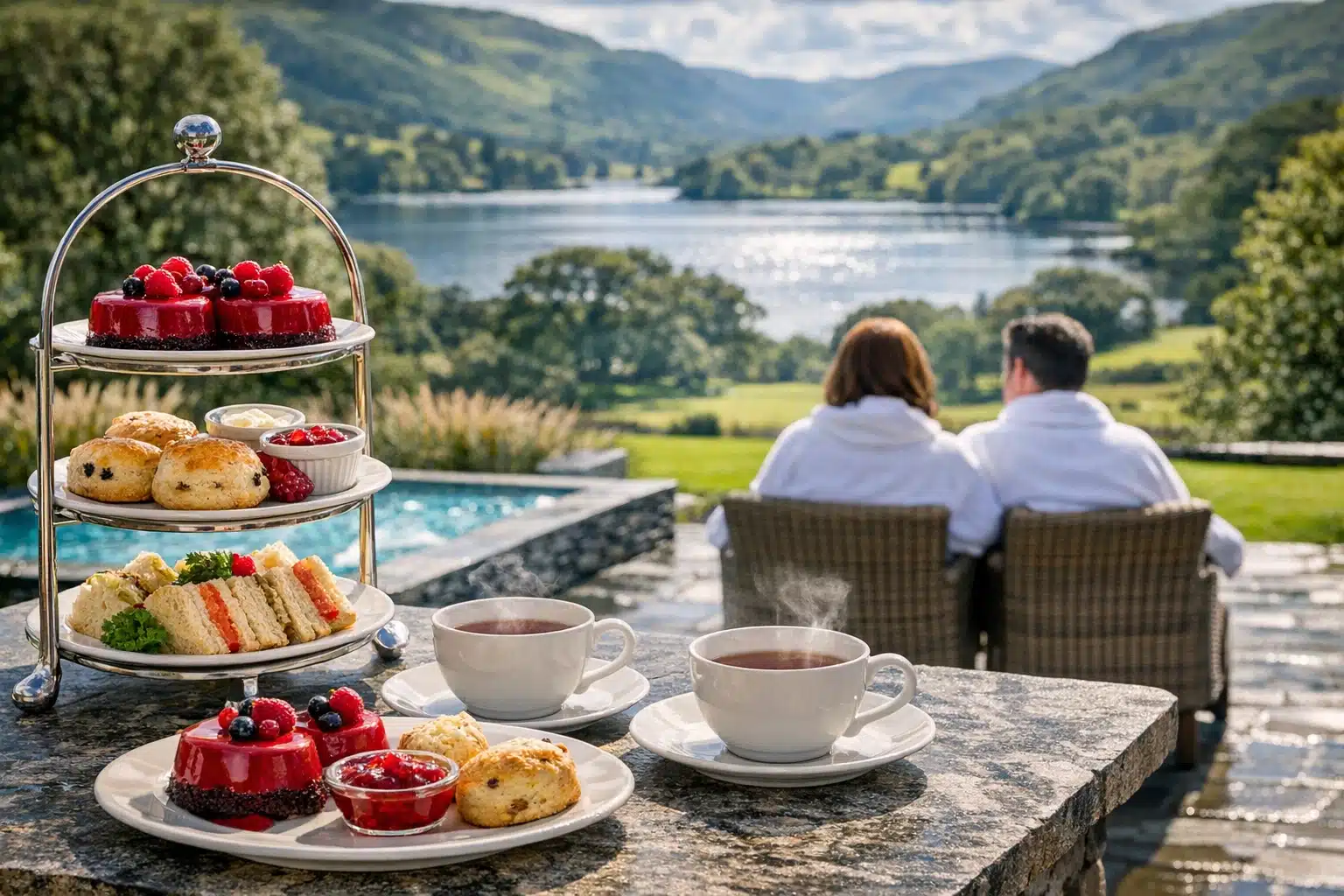
When travelers see the phrase all-inclusive attached to a Lake District spa retreat, expectations can rise quickly, yet the exact meaning varies from property to property. In many cases, the package covers accommodation for two nights, breakfast each morning, dinner on one or both evenings, use of core spa facilities, and at least one treatment per guest. Some hotels add a light lunch, afternoon tea, a welcome drink, or a wellness class such as yoga or guided stretching. Others keep the rate simpler, bundling the room, dining credit, and thermal access while treatments are booked separately. The important point is that all-inclusive in spa travel often means a curated bundle rather than unlimited food, endless treatments, or unrestricted extras.
A useful way to frame the topic is this: Explore Lake District spa retreat trends with insights on wellness stays, scenic hotel experiences, spa facilities, and relaxing escapes. That sentence captures why these breaks are popular. Guests are not only paying for a massage table or a swimming pool; they are paying for a sequence of easy decisions. The room is ready, the robes are waiting, dinner is planned, and the view itself becomes part of the treatment. In a destination where travel time is often spent winding through valleys or around lakes, simplicity has real value.
Typical inclusions often look like this:
- A standard or upgraded bedroom for two nights
- Full breakfast, usually with hot and continental options
- Dinner in the hotel restaurant, sometimes as a set menu or dining allowance
- Spa access for a timed session or for the full stay
- One treatment per person, commonly 25 to 60 minutes
- Use of robes, slippers, towels, and changing facilities
- Occasional extras such as prosecco, afternoon tea, or fitness classes
There are meaningful differences between a country house hotel with a compact spa and a purpose-built wellness resort. A smaller property may offer fewer thermal rooms but stronger character, quieter lounges, and more personal service. A larger venue may include hydrotherapy pools, relaxation suites, outdoor hot tubs, and a broader treatment menu. Neither format is automatically better. One suits travelers who want atmosphere and intimacy, while the other suits visitors who want choice and structured wellness time.
It is also worth checking small but important details before booking. Some packages include access only from check-in to checkout, while others allow use on arrival day before the room is ready. A treatment may be pre-assigned rather than freely chosen. Dining credit can sometimes exclude premium dishes or drinks. These details shape the experience more than glossy photography does. For a short break, clarity matters because time is limited, and every inclusion affects how relaxed the stay feels from the moment of arrival.
Wellness and Relaxation Experiences Travelers Commonly Explore
A short spa retreat in the Lake District rarely revolves around one signature treatment alone. Most travelers use the break to combine several forms of restoration, moving between warm water, quiet rooms, gentle activity, nourishing meals, and the calming effect of the surrounding landscape. That layered experience explains why even a brief stay can feel more refreshing than a standard hotel weekend. The rhythm matters. A swim in the morning, a facial before lunch, a slow walk after tea, and a steam session before dinner can create a full day that still feels unhurried.
Massage remains one of the most commonly booked options, particularly back, neck, and shoulder treatments designed for desk-tired guests. Facials are also popular, especially on short stays because they pair well with thermal circuits and do not require recovery time. Some spas offer aromatherapy, hot stone sessions, body scrubs, reflexology, scalp rituals, or maternity treatments. Others are expanding into wellness experiences that feel less clinical and more immersive, such as sound baths, guided breathwork, sleep-focused treatments, or mindfulness sessions. These additions appeal to travelers who want mental decompression as much as physical ease.
The setting gives the Lake District an advantage over urban spa destinations. Guests often combine indoor treatments with outdoor calm. A quiet lakeside walk, a low-level trail through woodland, or simply sitting on a terrace with tea can become part of the restorative plan. In spring and summer, longer daylight encourages gentle exploration after the treatment schedule ends. In autumn and winter, the retreat feeling deepens, with rain on windows, warm pools, and firelit lounges turning the stay into a cocoon rather than an itinerary.
Travelers often explore a mix of experiences such as:
- Hydrotherapy pools with massage jets and buoyancy areas
- Saunas, steam rooms, and heat circuits for contrast and recovery
- Yoga, Pilates, or low-impact mobility classes
- Mindfulness sessions or guided relaxation workshops
- Scenic walks between spa appointments
- Sleep-support routines, including herbal teas and evening wind-down rituals
Different travelers prioritize different outcomes. Couples often look for shared downtime and scenic privacy. Solo guests may value silence, reading corners, and personal space more than romance. Groups of friends tend to enjoy social treatments, leisurely meals, and pools with a lively atmosphere, though they usually benefit from booking quieter morning slots if they also want a restful mood. Because the stay is short, the most satisfying approach is usually selective rather than ambitious. A packed schedule can make a wellness trip feel like a checklist. Choosing two or three experiences that genuinely match your energy level often leads to a better result than trying every available option.
In practical terms, the best short retreats create balance. They blend structured care with enough empty space for the mind to settle. That is often what travelers remember most: not a single product used in a treatment room, but the rare sensation of having nowhere urgent to be.
Spa Facilities and Comfort Features That Shape the Stay
Spa facilities often determine whether a short getaway feels genuinely restorative or merely decorative. A treatment can be excellent, yet the wider stay may still feel flat if the thermal area is crowded, the loungers are limited, or the bedroom does not support deep rest. That is why experienced travelers look beyond the headline promise of spa access and pay attention to the full comfort ecosystem. In the Lake District, where weather can shift dramatically within hours, the quality of indoor spaces matters even more. Guests want places where they can linger comfortably between activities, whether that means a window-side lounge, a quiet pool area, or a bedroom designed for uninterrupted sleep.
Common spa facilities include an indoor pool, vitality pool, sauna, steam room, and relaxation lounge. Higher-end properties may add heated stone loungers, salt inhalation rooms, experience showers, ice fountains, outdoor hot tubs, or panoramic thermal areas facing the hills. These details are not just decorative. A well-designed thermal journey lets guests alternate temperature, pressure, and stillness in a way that extends the benefits of a single treatment. Even a compact spa can perform well if the layout is calm, the maintenance is strong, and session numbers are managed carefully.
Bedroom comfort is equally important on a two-night stay because the room becomes part of the recovery process. Useful features often include:
- Supportive mattresses and quality pillows
- Blackout curtains or lined drapes
- Quiet ventilation and controllable heating
- Generous bathrooms with good lighting and storage
- Robe hooks, slippers, and easy access to spa bags or towels
- Tea, coffee, and water that can be replenished without fuss
Travelers often underestimate the value of practical convenience. Lift access can matter after a long treatment day. Nearby parking reduces arrival stress, especially in poor weather. Clear signage between the hotel and spa prevents that slightly awkward feeling of wandering corridors in a robe. Flexible treatment scheduling helps guests enjoy dinner without feeling rushed. Good sound insulation can do more for recovery than a long list of luxury adjectives.
There is also a meaningful difference between facilities built for photographs and facilities built for use. A beautiful pool is less impressive if loungers are scarce. An outdoor hot tub sounds idyllic until guests realize it sits beside a busy walkway. By contrast, a modest relaxation room with comfortable chairs, soft light, herbal tea, and sensible quiet rules can become the most memorable part of the entire trip. Accessibility deserves similar attention. Step-free routes, adapted changing areas, and staff who communicate clearly about mobility needs make the experience more inclusive and less stressful.
On short stays, comfort features are not minor extras. They are the framework that allows treatments, meals, and scenery to connect smoothly. When the robe fits well, the room is peaceful, the thermal suite is thoughtfully designed, and the service removes friction rather than adding it, a brief retreat can feel far longer than its calendar length suggests.
How to Compare Packages, Timing, and Overall Value
Choosing the right Lake District spa retreat is often less about finding the fanciest option and more about matching the package to the kind of rest you actually want. A flashy deal can disappoint if it includes only limited thermal access, a late dinner slot, or a treatment time that cuts into the best part of the day. By contrast, a more modest property can deliver excellent value when the schedule flows well, the dining is generous, and the atmosphere matches your mood. For that reason, comparing packages line by line is usually smarter than comparing room photos or headline prices alone.
One of the first distinctions to check is whether the rate covers one dinner or both evenings. On a two-night break, that difference can noticeably affect the final cost, especially in remote parts of the Lake District where dining alternatives may require a drive. Treatment duration also matters. A package offering a single 25-minute treatment may be perfect for guests who mostly want pool time and scenic walks, while travelers seeking deeper pampering may prefer a longer session or a credit that allows an upgrade. Midweek stays frequently offer better value than Friday or Saturday arrivals, and they often bring a calmer spa atmosphere as well.
Smart comparison points include:
- Length and type of spa access included
- Number, duration, and flexibility of treatments
- Meal structure, dining credit limits, and supplement charges
- Room category and whether upgrades are worth the difference
- Check-in and check-out times relative to spa access
- Parking, accessibility, and transport convenience
Style is another major factor. Some travelers imagine a polished contemporary resort with sleek interiors and a broad menu of experiences. Others want an older country house with gardens, fireplaces, and a slower rhythm. A couple celebrating an anniversary may prefer privacy, lake views, and late dining. Friends on a catch-up break might value social spaces and a lively bar. Solo travelers often appreciate places where eating alone feels comfortable and the spa culture is calm rather than performative. These preferences affect satisfaction as much as price does.
Season changes value in interesting ways. Winter can create a deeply atmospheric escape, with warm pools and misty hills providing a strong sense of retreat, though outdoor facilities may be less appealing in heavy rain. Summer offers longer evenings and more scope for scenic walks, yet popular weekends can feel busier and more expensive. Shoulder seasons often strike the best balance between cost, availability, and mood.
The most reliable way to avoid disappointment is simple: read the package wording closely, book treatments early, and decide in advance whether your priority is indulgence, scenery, sleep, or a little of each. Once those priorities are clear, value becomes easier to judge. The right retreat is rarely the one with the longest list of features. It is the one where the included elements fit together naturally and support the kind of break you hoped to have.
Final Thoughts for Short-Stay Spa Travelers
For travelers considering a two-night Lake District spa break, the most useful expectation is this: the best retreats are carefully balanced rather than endlessly packed. A satisfying stay usually combines a comfortable room, thoughtful dining, a manageable treatment plan, and enough spa access to settle into the experience without watching the clock. When that formula works, even a brief getaway can feel restorative in a lasting way. You return home not with the exhaustion that sometimes follows a busy weekend away, but with a clearer head, looser shoulders, and the feeling that your time was used well.
This kind of short retreat suits several groups especially well. Couples often enjoy the ease of shared meals and unhurried downtime. Solo travelers benefit from the structure, because spa facilities provide a natural rhythm without social pressure. Friends can use the setting for relaxed conversation rather than nonstop activity. It also works for people who are new to wellness travel and do not want to commit to a full destination-spa week before learning what they enjoy. A two-night stay offers enough time to sample treatments, discover preferred facilities, and understand whether future trips should focus more on pampering, movement, sleep, or scenery.
To get the most from the break, a few habits help:
- Book treatment times before arrival rather than hoping for last-minute space
- Pack for comfort, including swimwear, simple layers, and shoes suited to short walks
- Leave room in the schedule for rest instead of filling every hour
- Check dining arrangements so meals feel easy rather than rushed
- Use the landscape as part of the experience, even if only through a quiet stroll or outdoor seat
The Lake District adds something special to spa travel because the environment does part of the work. The fells, water, changing skies, and slower roads all encourage a different tempo. That natural backdrop can turn standard hotel comforts into something more memorable. A hot pool feels richer after a breezy walk. A quiet room feels deeper when the view holds trees, stone walls, or open water. Even a simple cup of tea can seem more restorative when it arrives after a steam session and a silent hour away from notifications.
If you are choosing a short escape with the hope of genuine recovery, look for clarity, comfort, and a setting that helps you slow down. Check what is included, choose experiences that match your energy, and give equal weight to facilities and atmosphere. Done well, a two-night Lake District spa retreat is not only a pleasant indulgence. It is a practical, well-structured way to rest in a place that seems designed for it.