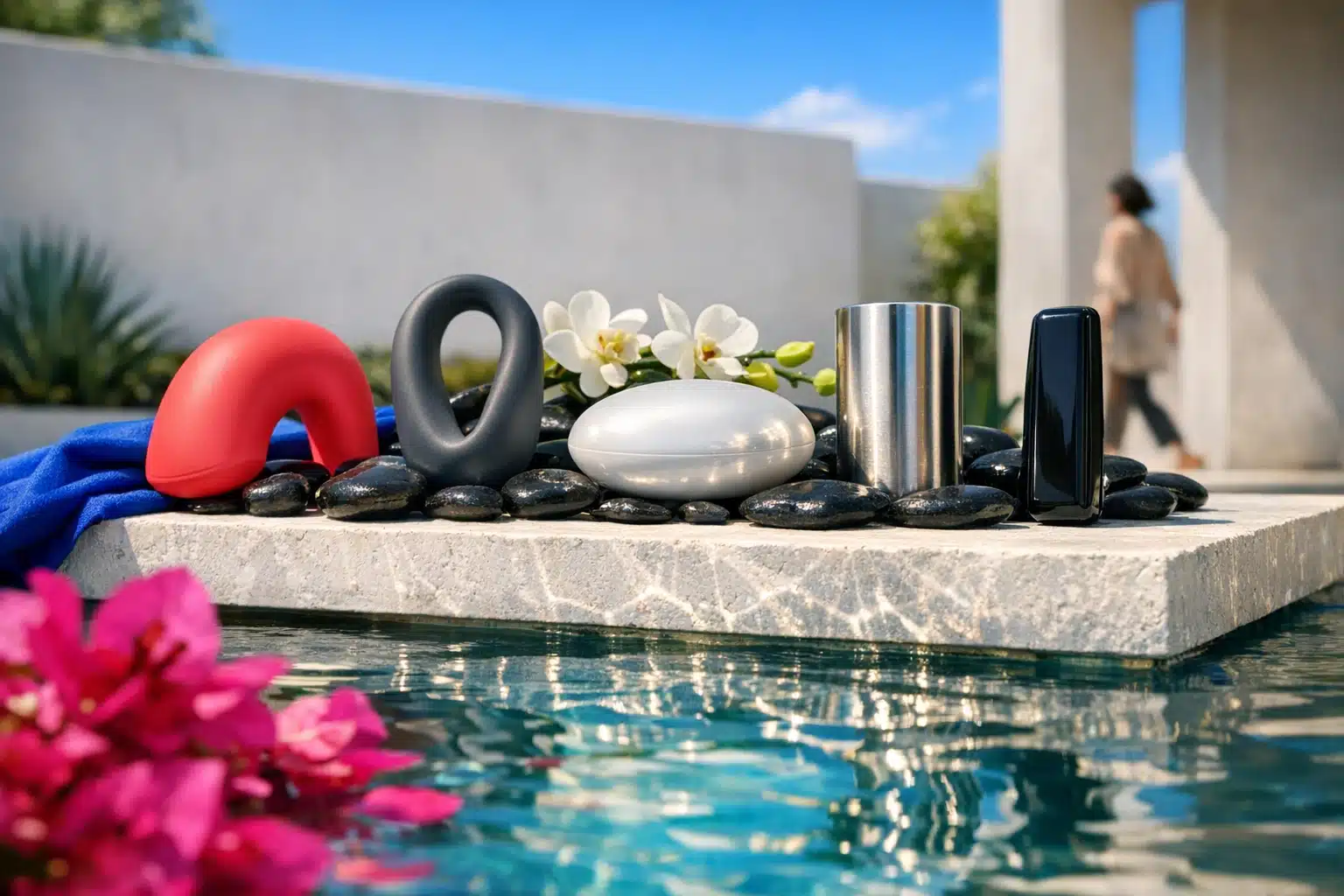
 Artificially generated image
 Top Rated 10 Male Intimate Devices People Are Choosing This Season
Conversations about men’s personal care have widened in recent years, and intimate wellness devices now appear beside grooming tools, fitness trackers, and recovery aids in many buying guides. What once felt private or awkward is increasingly framed around comfort, stress relief, body awareness, and routine self-care. For curious readers, the challenge is no longer access to options but making sense of categories, labels, and real-world differences before spending money.
Outline: this article begins with the changing language around male intimate wellness and why interest has grown. It then maps ten commonly discussed device categories, compares materials and maintenance needs, and looks at privacy, pricing, and digital features. It closes with practical advice for adult readers who want a sensible, well-matched purchase rather than marketing noise.
Understanding the Category and Why Interest Keeps Growing
Male intimate wellness is a broad umbrella, not a single product shelf. It includes devices discussed for relaxation, body awareness, external massage, pelvic support, circulation-related routines, and technology-assisted personal care. That variety matters because many buyers start with a vague search term and quickly find themselves in a maze of unfamiliar descriptions. One product may be designed for simple external use, another for targeted pressure, and a third for app-guided settings or training features. Clear language helps turn that maze into a map.
This guide explores categories of male intimate devices and how they are commonly discussed in general wellness and personal care contexts.
Several trends explain why the topic is more visible now than it was a decade ago. Online retail has made browsing more private, product pages have become more educational, and reviewers now spend more time discussing practical features instead of relying on wink-and-nudge language. In other words, the conversation has moved from embarrassment to comparison. Buyers want to know what materials touch the body, how loud a motor sounds through a bathroom door, whether a device is easy to clean after use, and if the design feels intuitive rather than gimmicky.
Another reason for wider interest is that men’s self-care culture has matured. People who already track sleep, buy massage guns, or invest in ergonomic office tools are often willing to apply the same logic to intimate products. The shift is less about novelty and more about asking ordinary consumer questions:
- What is the intended use case?
- How comfortable is the shape and material?
- Does it fit a beginner, an experienced user, or someone looking for a very specific feature?
- How much maintenance, charging, and storage does it require?
It also helps to separate wellness language from medical claims. Some products are marketed around comfort, muscle awareness, or routine self-care, but that does not make them medical devices or guaranteed solutions for health concerns. If pain, persistent discomfort, or performance anxiety is involved, professional guidance is more useful than a product page full of bold promises. The healthiest approach is calm, informed, and a little skeptical: treat these devices the way you would treat any personal care tool, by matching purpose, quality, safety, and practicality.
Ten Commonly Discussed Device Types and How They Compare
The title promises ten, but this is not a rigid winner’s podium. Think of it as a field guide to the categories that appear most often in seasonal roundups, forums, product comparisons, and wellness discussions. Some are simple and manual, some are powered and customizable, and some lean more toward training or support than stimulation. The best category for one person can be completely wrong for another, which is why understanding function is more useful than chasing hype.
-
1. External massagers: Often chosen by beginners, these focus on broad, surface-level contact and are usually easy to understand. Buyers tend to compare handle shape, power range, noise, and whether the design feels versatile enough for use beyond one specific purpose.
-
2. Manual sleeves or strokers: These are commonly discussed for texture, fit, ease of cleaning, and how portable they are. The biggest divide here is between simple, low-maintenance designs and more elaborate interiors that may feel interesting but take longer to wash and dry.
-
3. Vibrating sleeves: A step up in features, these combine internal texture with vibration modes. People often compare battery life, motor placement, and whether the controls are practical in real use rather than just impressive on a spec sheet.
-
4. Automatic suction or pulse devices: These attract shoppers who want hands-free or semi-hands-free use. Discussions usually revolve around rhythm variety, how intense the patterns feel, the realism of the sensation, and the trade-off between performance and noise.
-
5. Manual pumps: Commonly mentioned in intimate product lineups, they are usually evaluated for seal quality, gauge clarity when included, and overall build sturdiness. Because they are technique-sensitive, good instructions and sensible pressure control matter more than flashy packaging.
-
6. Support or constriction rings: These are often described as compact, simple, and low-cost entry points. Buyers look at stretch, softness, adjustability, and whether the material feels secure without becoming uncomfortable.
-
7. Prostate-focused massagers: Usually discussed in more specialized comparisons, these emphasize shape, curve, vibration placement, and comfort. For many shoppers, this is where ergonomic design becomes more important than raw motor power.
-
8. Pelvic floor trainers or biofeedback tools: These sit closer to the personal health side of the category. They are typically discussed in terms of guided routines, feedback features, and whether the companion instructions are genuinely helpful rather than overly technical.
-
9. Warming devices or thermal features: Heat is often marketed as a comfort enhancer rather than a headline function by itself. Buyers compare warm-up speed, temperature consistency, and whether the feature feels meaningfully pleasant or merely decorative.
-
10. App-connected smart devices: These attract users interested in customization, saved patterns, or remote control functions. Their main comparison points are app stability, data privacy, firmware support, and whether the technology improves the experience instead of complicating it.
The most interesting thing about these categories is how often they overlap. A single product may combine a sleeve format with vibration, heat, and app control, while another may look advanced but deliver a clumsy user experience. That is why “more features” is not the same as “better fit.” In many reviews, the quiet hero is not the most expensive model but the one that balances comfort, easy cleanup, sensible controls, and dependable construction.
Seasonal buying patterns also shape which categories rise in popularity. Gift shoppers often gravitate toward simpler, more approachable designs with discreet packaging and obvious controls. Experienced buyers, by contrast, may prioritize targeted shapes, advanced settings, or materials that feel more premium in the hand. Even storage can influence a decision: a sleek, rigid product with a travel pouch may be chosen over a softer, bulkier option that is harder to dry and put away properly.
If you are sorting through this list for the first time, start with use case rather than labels. A beginner looking for low-maintenance comfort will likely assess products differently from someone curious about structured routines, smart controls, or more specialized internal designs. Categories are useful because they narrow the field. Once you understand the lane, product comparisons become far less overwhelming.
Materials, Ergonomics, and Hygiene: What Actually Matters in Daily Use
When people compare intimate devices, flashy marketing often gets the spotlight, but materials and maintenance decide whether a product remains comfortable and practical after the first week. A well-designed device should feel good in the hand, make sense during setup, and clean up without turning into a small household project. This is where experienced buyers tend to sound less like thrill-seekers and more like careful product testers.
Material quality is one of the clearest dividing lines. Non-porous materials such as medical-grade silicone, ABS plastic, glass, and stainless steel are commonly favored because they are generally easier to clean and less likely to trap residue than softer, porous blends. Silicone is especially popular due to its balance of softness and durability, though it is wise to follow manufacturer guidance on compatible lubricants and cleaning products. Softer materials can feel appealing at first touch, but if they are difficult to sanitize or degrade quickly, the initial comfort may not be worth the trade-off.
Ergonomics also deserve more attention than they usually get. Curves, grip texture, button placement, and weight distribution affect how intuitive a device feels. A strong motor means little if the controls are awkward or the handle becomes slippery. Good design often shows up in small details:
- Buttons that can be identified by touch
- Charging ports that seal properly
- A stable base or stand for drying
- Seam placement that does not trap moisture
- A shape that supports secure handling without strain
Water resistance is another practical checkpoint. Some products are splash-resistant, while others are fully submersible. That difference matters not only for where the device can be used, but also for how confidently it can be washed. If a listing mentions an IP rating, that is more useful than vague language such as “water-friendly.” Precision beats poetry when electronics and moisture meet.
Cleaning routines should be simple enough to follow every time. Warm water, mild soap, and manufacturer-approved cleaners are common recommendations, followed by thorough drying before storage. Fabric or lint-filled drawers are not ideal if the material stays tacky or holds dust. A separate pouch or clean case can help protect the surface and keep charging cables organized.
There is a quiet elegance in products that respect the user’s time. The best ones are not merely powerful or stylish; they are straightforward to maintain, comfortable to handle, and honest about what they need from you. In a category built around personal use, convenience is not a minor luxury. It is part of quality.
Buying Smart: Privacy, Pricing, Reviews, and Digital Considerations
Shopping for intimate wellness devices involves the same consumer logic found in other categories, but with a few added layers. Privacy matters more, returns can be more limited, and app-connected features may raise questions that never appear when buying a trimmer or heating pad. The smartest purchase is rarely the one with the loudest ad campaign. It is usually the one backed by clear information, realistic expectations, and a seller that respects both safety and discretion.
Price is often misunderstood. A low-cost device may be perfectly adequate for someone testing a category, while a premium product may justify its cost through better materials, quieter motors, stronger warranties, or easier cleaning. The goal is not to spend more; it is to understand what the extra money buys. In many cases, the most useful dividing line is not cheap versus expensive but disposable-feeling versus durable.
Before buying, it helps to scan a listing with a practical checklist:
- Are the materials clearly named?
- Is the charging method explained?
- Does the seller describe water resistance accurately?
- Are the dimensions listed in a way that helps real comparison?
- Is the warranty visible, and does customer support seem reachable?
- Does the packaging or shipping policy mention discretion?
Reviews deserve careful reading rather than blind trust. A short burst of five-star praise tells you less than a balanced comment about motor strength, seam quality, battery performance, and ease of cleaning. Look for patterns. If multiple buyers mention a weak charging connection, misleading size photos, or a loud motor, that pattern is often more revealing than the average rating. On the positive side, repeated praise for intuitive controls, accurate dimensions, or sturdy materials is a meaningful signal.
App-connected devices add another layer of scrutiny. Convenience features can be genuinely useful, but buyers should still ask where data goes, whether an account is required, and how long the manufacturer supports software updates. A sleek app that loses support after a year is less impressive than a simpler device that works reliably every time. Technology should reduce friction, not add a monthly dose of troubleshooting.
Finally, beware of language that sounds too certain. Honest product descriptions talk about comfort, features, and design. Dubious ones promise impossible transformations, guaranteed outcomes, or miracle-level performance. Intimate devices are personal care tools, not magic wands in the fairy-tale sense. The best retailers understand that credibility is built through specifics: materials, instructions, cleaning guidance, and customer service that treats buyers like adults rather than targets.
Conclusion for Adult Readers Choosing Thoughtfully This Season
If you have made it this far, you are probably not looking for a joke product or a dramatic claim. You are looking for clarity, and that is the right instinct. Male intimate wellness devices are easiest to understand when they are grouped by purpose: external massage, textured manual designs, powered suction-style devices, support-focused options, pelvic tools, and smart products with added controls. Once the category is clear, the rest of the buying decision becomes far more manageable.
For beginners, simplicity is often the better first move. A straightforward design with easy cleaning, clear controls, and body-safe materials gives you a cleaner baseline for comparison. For experienced shoppers, specialization may matter more: a targeted shape, a wider intensity range, quieter operation, or better app functions. Neither path is better in the abstract. The only useful question is whether the product fits your actual preferences, comfort level, and routine.
It also helps to remember that this category sits at the crossroads of privacy and practicality. Discreet shipping, sensible storage, and honest product pages are not minor details; they shape the whole ownership experience. A device that performs well but is difficult to maintain or awkward to store can quickly lose its appeal. The smartest choice is often the one that disappears into life smoothly, without fuss, confusion, or unnecessary maintenance.
Adult readers comparing options this season should focus on durable materials, transparent specifications, realistic reviews, and a use case that makes sense from day one. If you are buying for comfort, choose comfort-led design. If you are exploring technology, check privacy and long-term support. If you are unsure where to begin, start with a simple category and learn what you value before moving up the ladder. In a market full of bright promises, thoughtful selection remains the most reliable feature of all.