 Artificially generated image
 Jacuzzi Hotel Suites for Romantic Getaways: What to Expect
A Jacuzzi hotel suite sits at the crossroads of comfort and occasion, which is why it remains a popular choice for anniversaries, weekend escapes, and proposal trips. The appeal is easy to understand: instead of sharing a public spa area, couples can unwind in warm, bubbling water without leaving the room. Still, the experience depends on more than the tub itself. Layout, maintenance, noise, price, and privacy all shape whether the stay feels indulgent or merely expensive.
Outline
- What a Jacuzzi hotel suite actually is and how it differs from a standard room
- The design features, atmosphere, and amenities couples usually find
- Cleanliness, safety, and comfort issues worth checking before booking
- How pricing works, what affects value, and smart ways to compare offers
- Who benefits most from this type of room and how to decide if it fits your trip
What Makes a Jacuzzi Hotel Suite Different From a Standard Room?
A Jacuzzi hotel suite is more than a room with a large bathtub. In most cases, it is a premium accommodation that combines extra space with an in-room jetted tub or whirlpool bath designed for private relaxation. While “Jacuzzi” is also a brand name, travelers often use the term generically to describe suites with hydrotherapy-style tubs. Hotels may label them as Jacuzzi suites, whirlpool suites, spa suites, or hot tub rooms, and the differences between those labels can be surprisingly important. Some properties offer a true suite with a separate sitting area and upgraded finishes, while others use the word “suite” more loosely for a larger room with one standout feature.
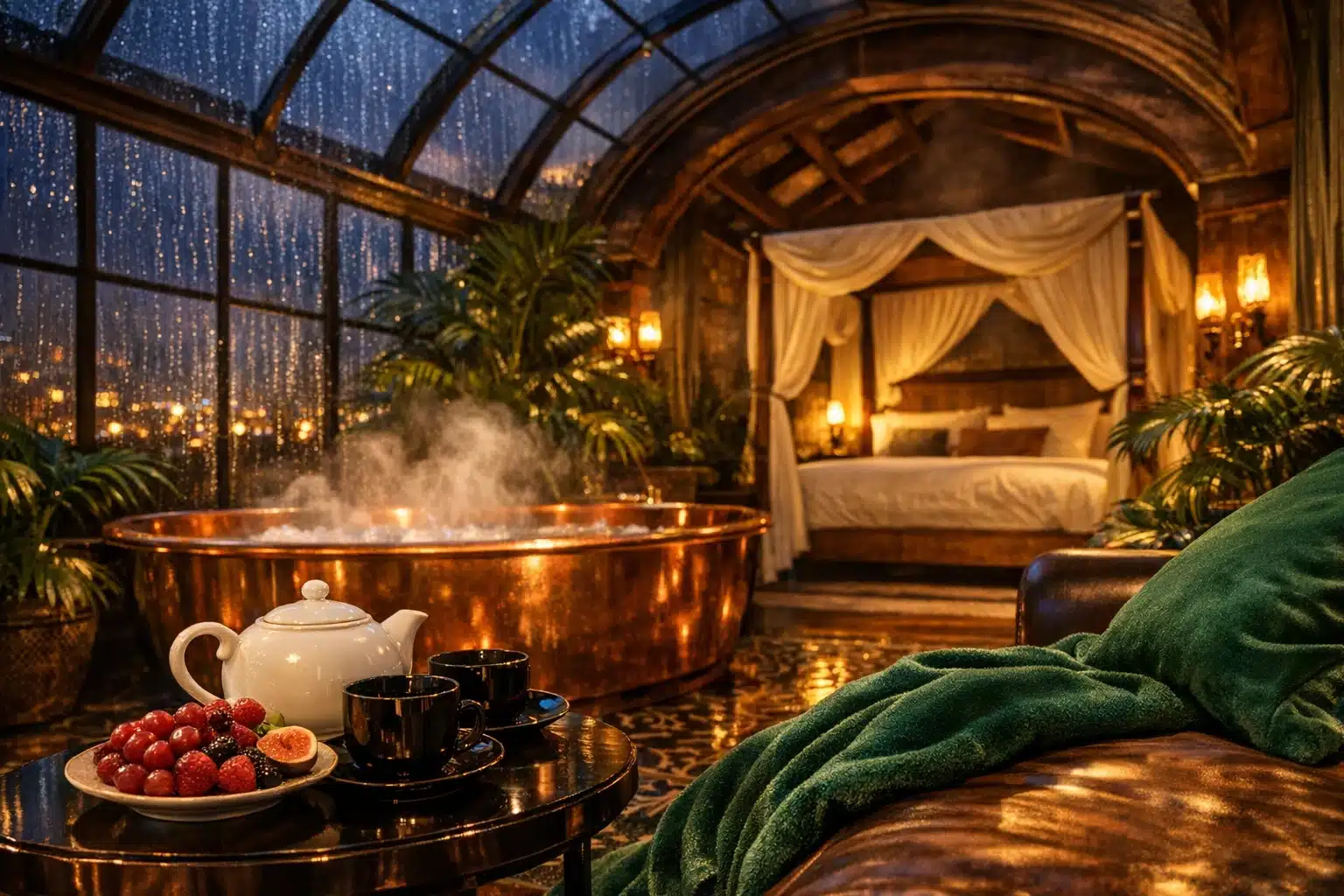
The main distinction is privacy. A hotel with a rooftop spa or shared hot tub can still feel luxurious, but it does not provide the same uninterrupted atmosphere as a room where the tub is only a few steps from the bed. For couples, that convenience matters. There is no need to pack a bag for the spa, check operating hours, or compete for space with other guests. After dinner, the evening can unfold at a gentler pace. Steam lifts into the air, the room grows quieter, and the hotel suddenly feels less like transit and more like a setting.
Compared with a standard room, a Jacuzzi suite often includes:
- A larger floor plan, sometimes with a lounge area or fireplace
- A jetted tub sized for two adults, usually indoors
- More decorative lighting and mood-focused design choices
- Upgraded bedding, robes, better bath products, or premium views
- A higher nightly rate, often reflecting both space and exclusivity
There are also practical differences. Standard rooms prioritize efficiency, while Jacuzzi suites are usually built around experience. The tub may be the visual centerpiece, placed near the bed, beside a window, or in an oversized bathroom with tile, mirrors, and accent lighting. Some guests love that theatrical layout; others prefer more separation between bathing and sleeping zones. This is why floor plans and guest photos matter as much as the room name. Two hotels can advertise similar suites yet deliver entirely different moods. One may feel sleek and modern, while another leans toward lodge-style coziness with wood finishes and a fireplace. Understanding that range helps travelers book with realistic expectations instead of relying on glossy marketing alone.
Room Features, Design, and Atmosphere: What Couples Usually Find
The visual appeal of a Jacuzzi suite is a large part of its appeal, but the best rooms succeed because several small design choices work together. At minimum, most guests can expect a jetted tub, a larger-than-average bed, and an arrangement that feels more intimate than a basic overnight room. In better properties, that setup is supported by strong lighting control, comfortable seating, sound insulation, and a bathroom layout that balances openness with privacy. The goal is not simply to impress on arrival; it is to make the room enjoyable over several hours, which is very different from creating a nice first photo.
Common features vary by hotel type. Urban luxury hotels often pair whirlpool tubs with marble bathrooms, rainfall showers, blackout curtains, and city views. Boutique inns may lean into character, offering canopy beds, historic architecture, and softer decorative touches. Mountain lodges and resort-style properties sometimes add fireplaces, balconies, rustic finishes, or scenic windows that frame forests, lakes, or snow-covered slopes. The atmosphere changes with the setting. A downtown suite can feel polished and cinematic, while a countryside room may feel warm, quiet, and cocoon-like.
When comparing options, pay attention to how the tub is integrated into the room. A suite with the tub near the sleeping area can feel dramatic and playful, especially for a short stay. A suite with the tub inside a spacious bathroom may feel more refined and comfortable for guests who want better separation between functions. Neither format is universally better; it depends on the mood you want and how much privacy you prefer within the room itself.
Useful features to look for include:
- Separate shower access, so the tub is not doing all the work
- Ventilation that prevents the room from feeling humid and stuffy
- Window coverings that preserve privacy if the tub is near glass
- Strong mattress quality, since the suite experience is not only about the bath
- Easy-to-use controls for jets, temperature, lights, and entertainment
Couples also benefit from checking what is not shown in marketing images. Wide-angle photography can make a compact room appear expansive. A tub may look dramatic in a picture but sit awkwardly beside a noisy air-conditioning unit or directly across from the door. Reading recent reviews helps fill in those gaps. Guests often mention whether the jets were powerful, whether the layout felt awkward, or whether the room delivered the calm, cocooning feel they hoped for. A memorable suite rarely depends on one luxury item alone. It works because the bed, bath, lighting, temperature, and acoustics all support the same slow, unhurried mood.
Cleanliness, Safety, and Comfort Questions Worth Asking Before You Book
A Jacuzzi suite can feel wonderfully indulgent, but it also raises sensible questions about maintenance. Unlike a standard soaking tub, a jetted tub has internal plumbing and mechanical components that require thorough cleaning. Reputable hotels know this and usually follow detailed housekeeping procedures between stays, often including surface disinfection, flushing the jets, and regular maintenance checks. Still, standards vary from property to property, especially across older motels, independent inns, and budget hotels where the room category sounds glamorous but the upkeep may be inconsistent.
For that reason, one of the smartest things a traveler can do is read recent guest reviews specifically for comments about cleanliness, not just service or décor. Phrases like “well maintained,” “spotless bathroom,” or “tub looked new” are reassuring. Complaints about musty odors, cloudy water, worn caulking, or noisy motors deserve attention. A jetted tub should feel inviting at first glance. If the finish looks tired, the controls seem loose, or the area around the tub shows water damage, the room may not deliver the relaxing experience you want.
Safety matters too. Hot water and slick surfaces require common sense. Commercial spa guidance often places hot tub temperatures near a maximum of 104 degrees Fahrenheit, and many in-room jetted tubs operate within a similar range. Guests should still check the heat before settling in, stay hydrated, and avoid prolonged soaking if they feel dizzy or overheated. Anyone with pregnancy concerns, cardiovascular issues, or other medical considerations should follow advice from a qualified health professional. A romantic evening should not start with avoidable discomfort.
Before booking, it helps to ask a few direct questions:
- How is the whirlpool tub cleaned between guests?
- Has the suite been renovated recently?
- Is the tub inside the bathroom or open to the main room?
- Are the jets quiet enough for a relaxing stay?
- Does the room include anti-slip flooring or bath mats nearby?
Comfort extends beyond sanitation and temperature. Noise can make or break the experience. Some older tubs have motors that sound more industrial than soothing, and some suites sit beside elevators, ice machines, or busy roads. Ventilation is another overlooked issue. Warm water in a poorly ventilated room can leave the air feeling heavy, which may turn a cozy evening into a clammy one. The most successful properties think through those details in advance: solid housekeeping, modern fixtures, fresh-smelling air, and a layout that feels secure and easy to use. Luxury, in this case, is not excess. It is confidence that the room works exactly as it should.
Price, Booking Strategy, and How to Decide Whether the Upgrade Is Worth It
Jacuzzi hotel suites usually command a noticeable premium over standard rooms, but the size of that premium depends heavily on location, season, and hotel category. In many markets, travelers can expect these rooms to cost roughly 20 to 60 percent more than a comparable non-jetted room in the same property. In high-demand destinations during peak weekends, the gap may be larger. Valentine’s Day, holiday periods, fall foliage weekends, and mountain ski seasons often drive up rates, especially at small inns and resorts where only a few specialty suites are available.
That does not mean the upgrade is poor value. It means value should be judged by how central the room is to the trip. If the goal is simply a place to sleep after a packed sightseeing schedule, a whirlpool suite may be unnecessary. If the room itself is part of the plan, perhaps for an anniversary, a winter weekend indoors, or a deliberate break from a hectic routine, the premium can make more sense. In those cases, you are not only buying square footage. You are paying for privacy, convenience, and a more memorable setting.
Travelers comparing offers should look past the headline rate. Some packages seem attractive because they include extras, but those extras vary in real usefulness. Breakfast, late checkout, parking, or a bottle of wine can add practical value. Decorative add-ons may be pleasant, yet they should not distract from the fundamentals of room quality and cleanliness.
Ways to judge the total value include:
- Compare the suite price against a standard room at the same hotel, not just against competitors
- Check whether the package includes meaningful extras such as breakfast or flexible checkout
- Look for midweek rates, which are often lower than Friday and Saturday pricing
- Review cancellation terms carefully, especially for special-event weekends
- Consider whether a larger room, balcony, or spa access might suit you better than the tub itself
Another smart tactic is to call the hotel directly after reviewing online listings. Front desk staff can often clarify whether the tub is truly for two adults, whether the jets are currently operating well, and whether a quieter room location is available. They may also explain the difference between several premium room categories that look nearly identical on a booking site. In some cases, a two-night package reduces the nightly average and gives couples enough time to actually enjoy the room instead of rushing through a one-night stay. The best booking strategy blends price awareness with intention. A Jacuzzi suite delivers strong value when it matches the purpose of the trip, the rhythm of the couple, and the standards the hotel can actually meet.
Is a Jacuzzi Suite Right for Your Romantic Getaway? A Practical Conclusion
For couples planning a romantic getaway, a Jacuzzi hotel suite makes the most sense when the room is meant to be part of the experience rather than a place to drop bags. It suits travelers who want privacy, slower evenings, and a setting that feels more special than a standard chain room. If you imagine returning from dinner, lowering the lights, and spending the rest of the night in without needing additional entertainment, this type of suite can be a very satisfying choice. It is especially appealing in colder months, on anniversary trips, during mini-honeymoons, and on weekend breaks where weather may keep you indoors.
That said, it is not automatically the right upgrade for everyone. Couples who care more about expansive views, elite dining, spa treatments, or walkable neighborhood access may prefer to put their budget elsewhere. Some travelers would get more enjoyment from a beautifully designed room with a balcony and shower than from a whirlpool tub that looks dramatic but takes up space. Others may prefer a hotel with a high-quality shared spa area if they plan to spend little time in the room. The best decision depends on habits, not hype.
A simple pre-booking checklist can help:
- Decide whether the trip is room-centered or activity-centered
- Check recent reviews for cleanliness, maintenance, and noise
- Confirm the exact tub style, room layout, and suite location
- Compare package perks with the actual price premium
- Book early for popular weekends, then recheck rates if cancellation is flexible
In the end, the best Jacuzzi suite is one that matches the tone of your trip. It should feel restful, private, and easy to enjoy, not like a flashy amenity hiding weak housekeeping or inflated pricing. For couples who want a little ceremony built into their stay, the right suite can create that feeling almost immediately. You open the door, the lighting softens, the room invites you to slow down, and the outside schedule finally loses its grip. That is the real promise of this category of hotel room: not perfection, but a better chance to pause, reconnect, and make a short escape feel genuinely distinct.