Adults-Only Hotels: What to Expect and How to Choose
Outline and Why Adults-Only Hotels Matter
Choosing a hotel used to mean comparing star ratings, beach access, and breakfast hours. Today, many travelers also ask a different question: do I want a place built around quiet mornings, slower pools, and spaces where the daily rhythm is set by adults rather than family schedules? Adults-only hotels have moved from niche idea to mainstream option, and understanding how they work can help couples, solo guests, and friend groups book a stay that actually fits the trip they have in mind.
The relevance of this category has grown as travel itself has become more personalized. Some guests want deep rest after an intense work season. Others are celebrating an anniversary, planning a honeymoon, organizing a friends’ escape, or simply looking for a hotel where shared areas feel less busy and meal times stretch later into the evening. In destinations such as Mexico, Greece, Spain, the Maldives, and the Caribbean, adults-only properties now appear across several price bands, from boutique hotels with 20 rooms to large resorts with multiple restaurants and entertainment programs. That variety matters because it means the concept is no longer reserved for luxury travelers alone.
This article is organized as a practical guide rather than a sales pitch. Instead of assuming every adults-only hotel offers the same experience, it breaks the topic into the details that shape a real stay.
- First, it explains what “adults-only” usually means and how age policies differ.
- Next, it compares the atmosphere, amenities, and common expectations with family-friendly hotels.
- Then, it looks at the benefits and trade-offs, including price, noise levels, dining patterns, and social energy.
- After that, it offers a booking framework so travelers can match the property to the purpose of the trip.
- Finally, it closes with a summary aimed at the kinds of guests most likely to benefit from this hotel style.
In other words, this is not just about whether children are absent from the property. It is about whether the hotel’s pace, design, and service style support the kind of break you actually want. Sometimes that means candlelit dinners and spa appointments. Sometimes it means an adults-only swim-up bar, a quiet reading deck, and no competition for pool loungers at nine in the morning. The point is not prestige. The point is fit.
What Adults-Only Really Means in Practice
The phrase “adults-only” sounds straightforward, but hotel policies vary more than many travelers expect. One property may define adults-only as 16 and over, another may require guests to be at least 18, and some all-inclusive resorts set the minimum at 21. That age rule affects the atmosphere immediately. A 16-plus wellness hotel can feel very different from a 21-plus party-oriented resort, even though both use the same label in brochures and booking platforms. Reading the hotel policy page is therefore not a small administrative step; it is one of the best predictors of what your stay will actually feel like.
Adults-only hotels appeal to travelers who want a stay shaped around calm spaces, flexible dining, and a social atmosphere designed for grown-up routi
That concise line captures the broad appeal, but the category includes several distinct models. Some properties focus on romance, with private plunge pools, tasting menus, and spa treatments marketed toward couples. Others lean into sociability, offering DJs, themed dinners, cocktail bars, and late-night entertainment. A third group emphasizes wellness, with yoga schedules, thermal circuits, healthy menus, meditation classes, and a generally lower-key pace. City hotels can take yet another approach, using the adults-only label to signal a boutique environment built around design, nightlife access, and quieter room corridors rather than beach activities.
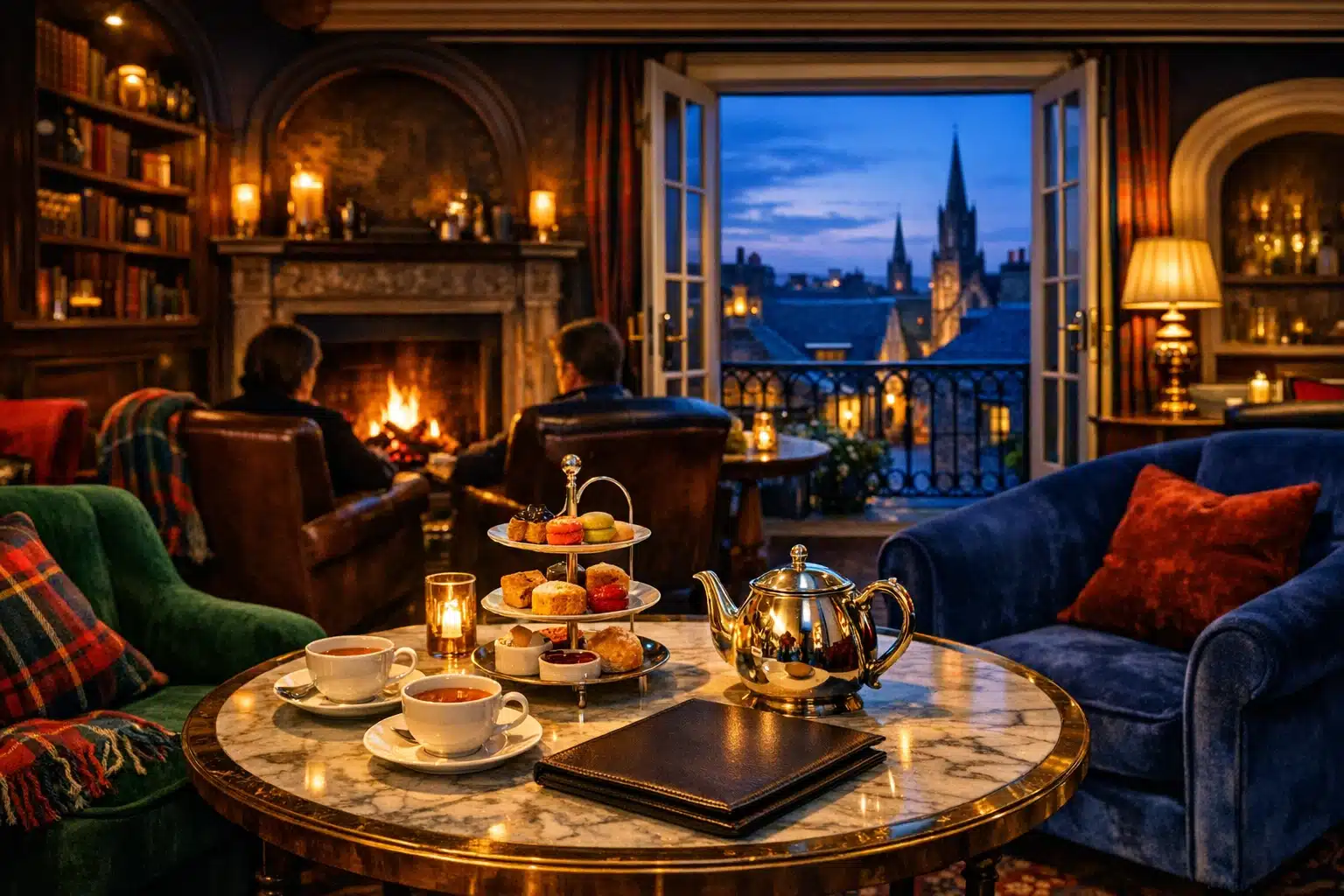
What changes on the ground when a hotel is designed for adults? Shared spaces often tell the story. Restaurants may run later, with fewer restrictions around formal dining times. Pool areas are typically arranged for conversation, lounging, or music rather than games and family programming. Evening entertainment tends to assume adult interests, whether that means live jazz, mixology workshops, cooking classes, or club-style events. Even the room inventory may reflect different priorities, such as king beds, larger showers, balcony seating, and minibars with more attention paid to premium drinks than child-friendly snacks.
It is also worth clearing up a common misconception: adults-only does not automatically mean romantic, exclusive, or expensive. Some travelers imagine white robes, rose petals, and whisper-level voices everywhere. Others assume the opposite and picture nonstop nightlife. In reality, the label tells you who the hotel is for, not the exact mood it delivers. To understand the true experience, travelers need to pair the age policy with the property type, location, review patterns, and daily activity schedule.
Benefits, Trade-Offs, and How the Experience Differs
The biggest advantage of an adults-only hotel is not luxury by default; it is environmental consistency. When a property is designed for adult guests, the hotel can make decisions about dining, entertainment, wellness, and room layout without trying to serve every age group at once. For many travelers, that creates a smoother trip. Breakfast may feel less rushed. Pools may be quieter in the afternoon. Spa access may be easier to book. Lounges may stay active later. In simple terms, the hotel rhythm often matches the rhythm of adult leisure better than a mixed-use resort does.
Compared with family-friendly properties, adults-only hotels usually offer a different soundscape and a different use of communal space. That difference is especially noticeable in beachfront or all-inclusive settings, where a resort can function like a small village. At a family-oriented property, the same pool area might need to support swim lessons, games, snacks, strollers, and early-evening meal turnover. At an adults-only resort, that area may instead prioritize loungers, bar service, shaded daybeds, and uninterrupted reading time. Neither approach is inherently better. They simply serve different travel goals.
- Common advantages include quieter common areas, later dining windows, more adult-focused entertainment, and a stronger sense of escape for couples or friend groups.
- Possible drawbacks include higher nightly rates, a mood that may be too subdued for some travelers, and less flexibility for multigenerational groups.
- Some guests also find that certain adults-only resorts are more social than expected, which can be a benefit or a drawback depending on the trip.
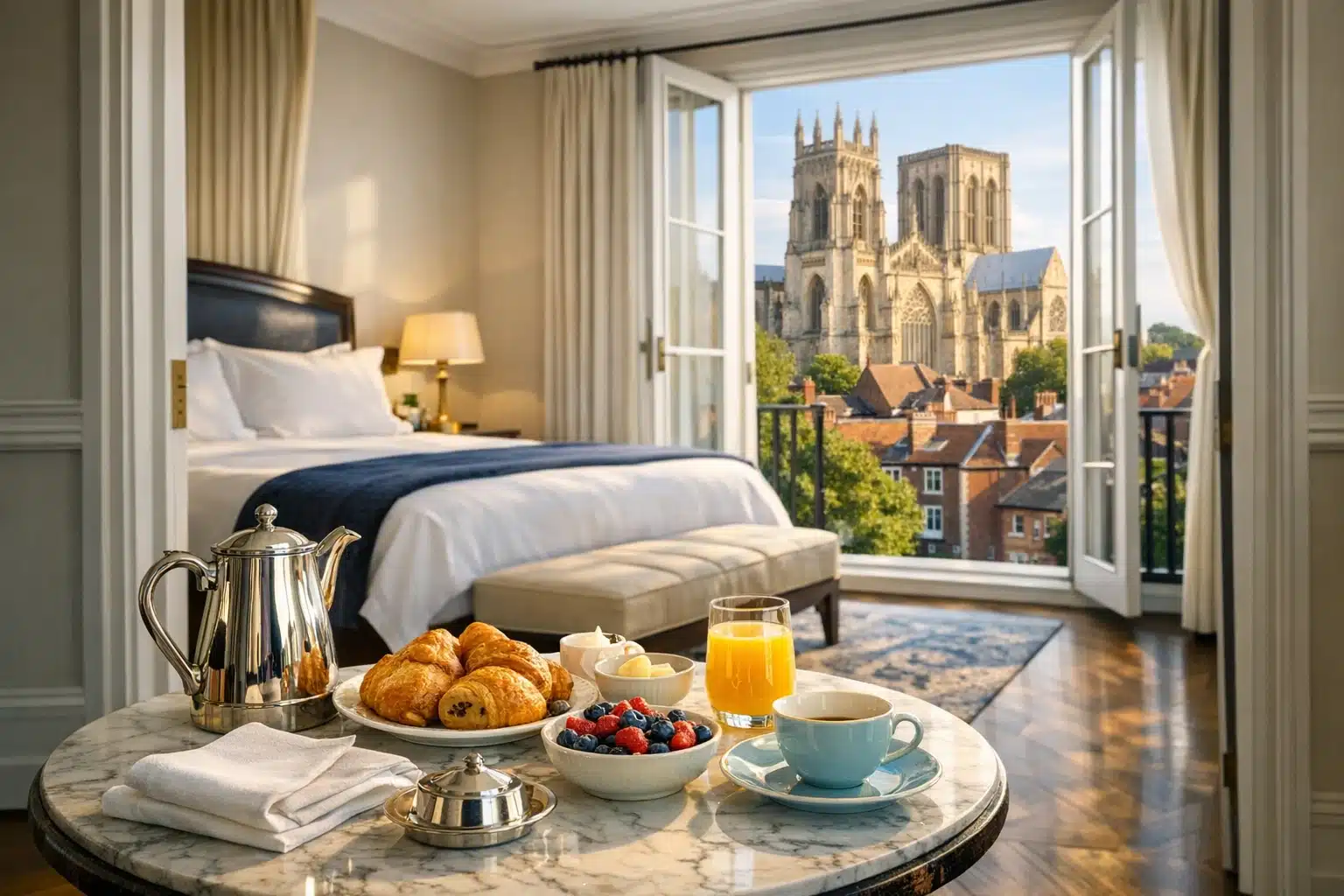
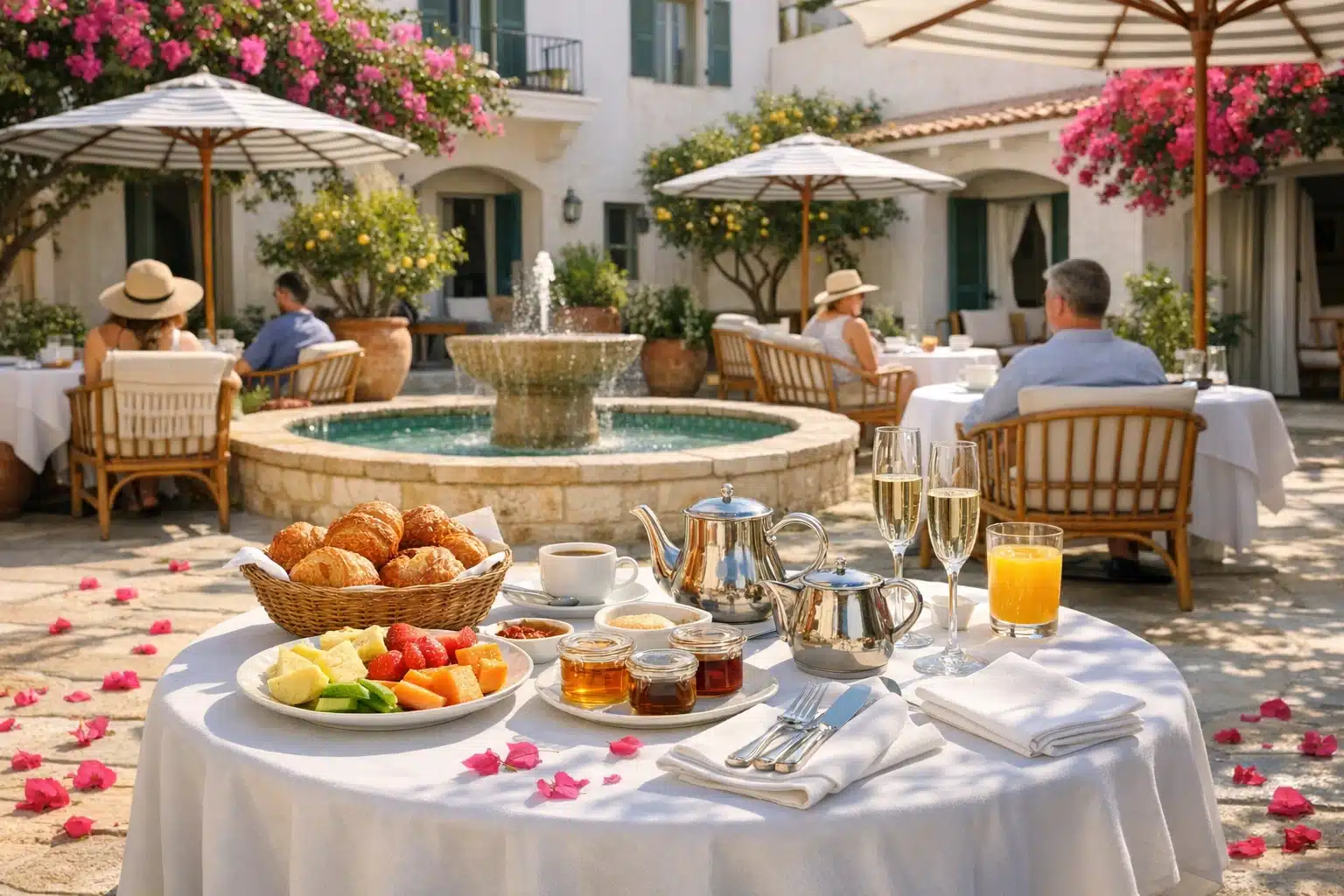
Price deserves special attention. Adults-only hotels are often positioned as premium products, especially in the all-inclusive sector, where packages may include upgraded liquor, specialty dining, spa discounts, or preferred beach access. That can raise the nightly cost. However, a higher rate does not always mean a better match. A modest boutique adults-only hotel with a thoughtful breakfast, a peaceful courtyard, and a strong location may suit a traveler far better than a sprawling luxury resort built around nightlife.
The trade-off, then, is not simply money for silence. It is choosing a hotel that narrows its focus. If your ideal holiday involves traveling with children, mixing generations, or needing kid-friendly facilities, adults-only is the wrong tool for the job. If you want an environment tuned to adult schedules, conversation, dining, and downtime, the narrower focus can feel refreshingly precise.
How to Choose the Right Adults-Only Hotel
Choosing well starts with an honest answer to one question: what is the purpose of the trip? Travelers often skip this step and book from photos alone, only to find that the hotel’s energy does not match their plans. A couple looking for recovery after a stressful season may not enjoy a lively all-inclusive resort with all-day music near the main pool. A group of friends celebrating a milestone may feel underwhelmed at a whisper-quiet wellness lodge that turns down the lights at ten. Before you compare rates, define the trip in plain language: rest, romance, food, nightlife, wellness, sightseeing, or social fun.
Once the trip goal is clear, move through the booking process with a short checklist.
- Confirm the age policy. “Adults-only” can mean 16+, 18+, or 21+, and that shapes the atmosphere.
- Study the dining model. Is it all-inclusive, half board, breakfast only, or fully flexible?
- Check the location. A quiet resort two hours from town offers a very different holiday from a boutique hotel in a nightlife district.
- Read room descriptions carefully. Balcony size, sound insulation, bed type, and bathroom layout matter more than marketing slogans.
- Review recent guest comments for patterns, not isolated complaints. Repeated mentions of noise, weak food quality, or hard-to-book restaurants usually signal real issues.
A few details are easy to miss but often affect satisfaction. First, look at the entertainment schedule. Some properties are quiet by design, while others host evening shows, DJs, or events several nights a week. Second, examine the restaurant reservation system. Travelers who imagine spontaneous dinners may be frustrated if every specialty venue must be booked days in advance. Third, compare the main pool with quieter alternatives. A hotel can be adults-only and still have a central pool that feels energetic for much of the day.
Budgeting should also go beyond the headline rate. Resort fees, airport transfers, premium restaurant surcharges, spa access, and upgraded room categories can change the total cost significantly. Finally, consider seasonality. An adults-only hotel in shoulder season may feel serene and spacious; the same property during a holiday period may be lively and fully booked. Reading the hotel through the lens of timing, not just branding, is one of the smartest ways to avoid disappointment.
Who These Hotels Suit Best and Final Takeaway
Adults-only hotels tend to work best for travelers who care deeply about atmosphere. That includes couples on honeymoons and anniversaries, but the audience is broader than romance marketing often suggests. Solo travelers may appreciate calmer breakfast rooms, organized social events, and the ease of meeting people in bars or lounges aimed at adults. Friends traveling together often like the combination of relaxed pool culture, later dining hours, and activity programs that do not revolve around family schedules. Remote workers on a short “work from anywhere” break may also find adults-only boutique hotels useful when they want a quieter base with a more settled rhythm.
That said, the right match depends less on relationship status than on travel style. A pair of travelers can dislike an adults-only resort if it is too performatively romantic, too remote, or too nightlife-driven. A solo guest can love one property and dislike another for exactly the same reason. The important lesson is that “adults-only” is a filter, not a guarantee. It narrows the audience, but it does not replace the need to check the hotel’s personality, location, and service model.
For the target audience considering this category, a smart decision usually comes down to three practical questions.
- Do you want the hotel itself to shape the mood of the trip, rather than simply provide a room?
- Would quieter common areas, adult-centered dining, and later evening patterns improve your stay?
- Are you choosing the property for the kind of time you want to spend there, not just for how the pool looks in photographs?
If the answer is yes, adults-only hotels are worth serious consideration. They can provide a more tailored environment, especially when rest, conversation, wellness, celebration, or uninterrupted downtime matter more than broad family facilities. If your trip involves children, mixed generations, or a need for flexible family programming, another hotel category will likely serve you better. In the end, the best booking is not the one with the most polished branding. It is the one whose pace, policies, and shared spaces make your version of travel feel easy from the moment you arrive.