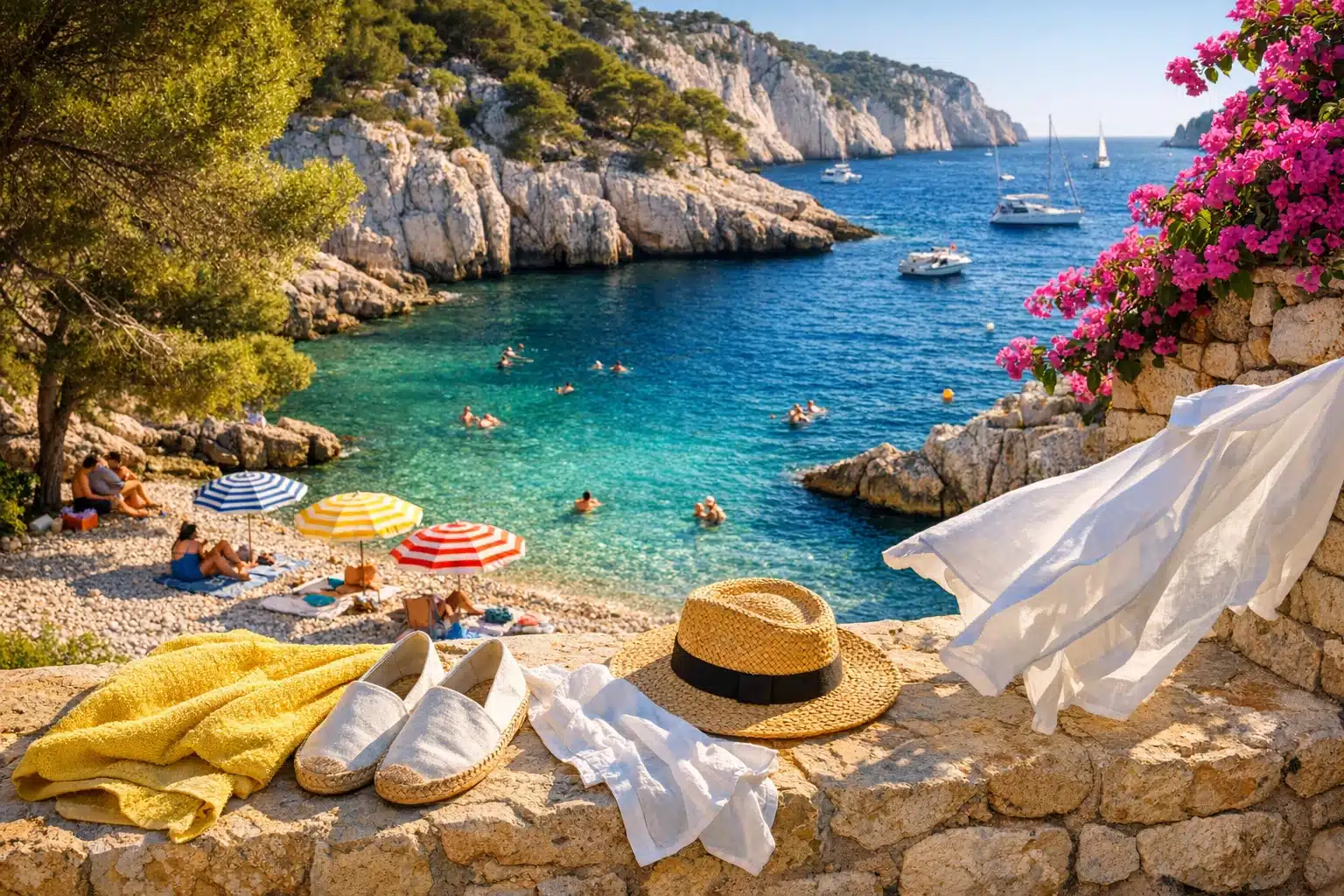
 Artificially generated image
 Adult Beaches Guide: Locations, Rules, and What to Expect
Adult beaches can seem mysterious from a distance, yet in practice they are usually less about shock value and more about personal comfort, privacy, and relaxed social norms. Travelers seek them out for different reasons: some want quieter shorelines, some prefer clothing-optional spaces, and others simply want an adult-only setting without the energy of family beaches. Understanding the differences matters because expectations, etiquette, and local rules can change sharply from one coast to another. A little context turns uncertainty into confidence and helps visitors choose a beach that fits their comfort level.
Article Outline
- Understanding what “adult beach” actually means and how the term varies by destination
- Comparing well-known adult beach locations and the atmosphere travelers can expect
- Learning the most important rules, etiquette, and consent standards
- Planning a visit with practical advice on packing, safety, comfort, and logistics
- Knowing what first-time visitors usually experience and separating myths from reality
1. What Adult Beaches Are and Why the Topic Matters
The phrase “adult beach” sounds simple, but it covers several different kinds of places. In some destinations, it means a beach that is reserved for adults and excludes children, often as part of a resort or a designated section near nightlife. In other settings, it refers to a clothing-optional or naturist beach where nudity is allowed, accepted, or quietly expected. There are also hybrid spaces: beaches attached to adult-oriented hotels, private clubs, or wellness retreats where the atmosphere is relaxed but the rules are stricter than newcomers imagine. That distinction matters, because a traveler who expects a quiet, upscale adults-only shoreline may be surprised to arrive at a public naturist beach, while someone looking for a legitimate nude beach may end up at a child-free resort where swimwear is still required.
Historically, the idea of social nudity at beaches is often linked to naturist traditions that became more visible in parts of Europe during the early twentieth century. Countries such as France, Germany, and Croatia developed well-known beach cultures where designated clothing-optional areas were normalized rather than sensationalized. The goal in many of these places was not exhibitionism, but body acceptance, fresh air, and a less commercial relationship with recreation. That history still shapes how many adult beaches operate today. A well-managed naturist beach is usually organized around respect, boundaries, and clear local rules, not provocation.
A useful way to think about the category is to split it into three broad groups:
-
Adult-only beaches: no children, but swimwear is usually standard unless otherwise stated.
-
Clothing-optional beaches: visitors may choose whether to wear swimwear.
-
Naturist or nude beaches: nudity is the norm or the stated purpose of the beach area.
This topic matters because beach etiquette is local, not universal. Rules about photography, alcohol, public affection, and changing clothes can differ widely. In some places, a beach is officially designated by municipal authorities or park services; in others, it is tolerated by custom but not always supported by formal signage. For travelers, that means assumptions are risky. The more informed you are, the easier it becomes to avoid awkward moments and choose a beach that matches your comfort level. The modern appeal of adult beaches is not hard to understand: they offer freedom, quiet, and, at their best, a rare feeling that the body is simply a body under the sun, not a performance on display.
2. Popular Adult Beach Destinations and How They Compare
Adult beaches vary dramatically by region, and comparing them helps explain why the same label can lead to very different experiences. In Europe, for example, the culture around clothing-optional recreation is often older and more normalized. France is home to some of the world’s most famous naturist destinations, including the broader Cap d’Agde area, which is known less as a single beach than as a full naturist environment with accommodation, shops, and services. Croatia has a long association with FKK culture, a term connected to the German phrase Freikörperkultur, or “free body culture.” Many Croatian coastal areas have designated naturist beaches that feel scenic, orderly, and relatively low-drama. Spain is also widely associated with a relaxed beach culture, and in many places topless sunbathing is common, though specific local expectations still depend on the municipality and exact shoreline.
North America tends to be more fragmented. Legal nude or clothing-optional beaches exist, but they are usually clearly designated and often more debated in public conversation. Haulover Beach in Florida is one of the most recognized legal clothing-optional beaches in the United States, with lifeguards, active management, and a reputation for being more organized than many first-time visitors expect. In Canada, Wreck Beach in Vancouver is famous for its long stair access, strong community identity, and mix of natural scenery and independent spirit. The mood there can feel more bohemian than resort-like, which is part of its appeal.
In Mexico and the Caribbean, travelers often encounter a different model: adult-only resort beaches. These are not automatically nude or clothing-optional. Instead, the focus is usually on a quieter environment, cocktails without stroller traffic, couples’ travel, and a polished hospitality setting. Some resorts include clothing-optional sections, while others keep standard swimwear rules throughout. The difference is important because the word “adult” at a resort usually refers to age restrictions, not nudity.
When comparing destinations, a few factors matter more than the brochure language:
-
Access: public path, private resort gate, ferry, or long stair descent
-
Facilities: showers, restrooms, food service, umbrellas, lockers, and lifeguards
-
Atmosphere: quiet, social, party-oriented, secluded, or highly regulated
-
Local norms: optional nudity, expected nudity, or simply adults-only privacy
The result is that “best” depends on personality. Some travelers want a polished resort where everything is explained at check-in. Others prefer a public beach with sea breeze, minimal structure, and the soft hum of people minding their own business. One feels like hospitality. The other feels like culture. Both can be rewarding, but they are not interchangeable.
3. Rules, Etiquette, and the Social Contract on Adult Beaches
If location determines the setting, etiquette determines whether the day feels comfortable. Adult beaches, especially clothing-optional and naturist ones, often rely on an unspoken social contract: respect other people’s space, do not treat the environment like a spectacle, and follow posted rules without trying to test the edge of them. The most important principle is consent. That applies not only to physical interaction, which should be obvious, but also to visual behavior and photography. Many adult beaches either ban photography outright or treat it very seriously, because visitors want privacy. Even when photos are technically allowed, pointing a phone camera toward strangers is one of the fastest ways to look rude or get removed.
Another core rule is simple hygiene and courtesy. On naturist beaches, bringing a towel to sit on is standard practice. It is not a quirky detail; it is one of the small habits that signals you understand the environment. The same is true for personal space. Crowding others when there is plenty of room, staring, or acting as though the beach is a performance venue undermines the atmosphere that regular visitors value. Many experienced beachgoers describe the best adult beaches as surprisingly ordinary once you understand the code. People read, swim, nap, chat softly, and watch the tide move in. The novelty fades, and good manners remain.
First-time visitors can make things much easier by remembering a short checklist:
-
Read signs at the entrance and follow any local dress rules near parking lots or access paths.
-
Never photograph strangers, even casually.
-
Bring a towel for seating and a cover-up for walking beyond the beach area.
-
Keep conversation friendly and non-intrusive.
-
Do not assume flirtation is welcome just because the setting is adult-oriented.
It is also important to separate adult beaches from erotic venues. In most legitimate naturist settings, sexualized behavior is explicitly discouraged or prohibited. Public indecency laws can still apply, and beach managers or local authorities may act quickly if someone behaves inappropriately. That distinction is one reason these spaces endure. They work because most visitors understand that freedom without respect quickly becomes discomfort. The beach may feel relaxed, but it is not lawless. In fact, the calmest adult beaches are often the ones with the clearest boundaries. Once you recognize that, the environment makes more sense: less performance, more etiquette; less fantasy, more simple coexistence under open sky.
4. How to Plan a Visit: Packing, Safety, Comfort, and Local Logistics
A good visit to an adult beach usually begins before your feet hit the sand. Research matters more here than at a typical public beach because access rules, facilities, and social expectations can vary so much. Start by checking whether the location is public, private, or attached to a resort. A public clothing-optional beach may require a hike, a set of stairs, or a long walk from parking. A resort beach may require day-pass reservations, identification, or a booking that includes specific amenities. Reviews can help, but read them carefully. The most useful comments are the ones that mention logistics, crowd levels, cleanliness, security, and how clearly the rules are communicated.
Sun protection deserves special attention. People often forget that skin normally covered by swimwear can burn very quickly. A high-SPF sunscreen, shade, water, and a reasonable sense of timing are not optional extras; they are part of basic comfort. Morning and late afternoon are often friendlier for first-time visitors, especially in hot climates where the midday sun can turn relaxation into endurance. Footwear matters too. Adult beaches are not always soft postcard sand. Some are rocky, some have hot wooden boardwalks, and some require walking over uneven ground.
A practical packing list often includes:
-
Sunscreen and lip balm with sun protection
-
A large towel plus a second towel if you plan to swim often
-
A cover-up, sarong, or light shirt for transitions off the beach
-
Water, snacks, and cash if food service is limited
-
Footwear suited to rocks, hot sand, or long access paths
-
A secure bag for phone, keys, and identification
Safety is mostly ordinary beach safety, but with a few extra layers. Confirm whether lifeguards are present. Check the tide, currents, and weather warnings. If the beach is remote, tell someone where you are going and note the exit route before sunset. If you are visiting solo, choose a known and established location rather than a vague “locals know it” cove found through rumor. Well-managed beaches tend to offer a better first experience because the environment is easier to read. Private resorts may provide more comfort and clearer structure, while public beaches often offer more independence and lower cost. Neither is inherently better. The smart choice depends on how much guidance you want. Think of planning as part map, part mood-setting: the more prepared you are, the easier it is to focus on what you came for, whether that is quiet, curiosity, or simply a different kind of day by the sea.
5. What First-Time Visitors Can Expect and Common Myths to Ignore
The biggest surprise for many first-time visitors is how unremarkable adult beaches often feel once the initial nerves pass. People imagine a dramatic scene, but the reality is usually much quieter. There may be couples reading paperbacks, older regulars discussing the weather, solo travelers staring at the horizon, and swimmers heading in and out of the water with the same practical focus you would see anywhere else. The most intense moment is often the first ten seconds: leaving the access path, taking in the scene, and realizing that everyone else seems far less interested in you than you feared. That can be unexpectedly freeing.
One common myth is that adult beaches are only for a certain body type, age group, or lifestyle. In established settings, that is rarely true. You are likely to see a wide range of ages, shapes, and personalities. Another myth is that these beaches are automatically wild or sexualized. In reality, many are quieter and more self-regulating than mainstream beaches because the people who use them want the atmosphere preserved. There can also be a misconception that newcomers must immediately match the dominant norm. At many clothing-optional beaches, visitors can take their time. Some stay in swimwear for part of the day, observe how the beach functions, and decide later what feels comfortable.
It helps to set realistic expectations:
-
You may feel self-conscious at first, and that is normal.
-
The feeling usually fades quickly when you see how casual the environment is.
-
Most people are focused on their own comfort, not judging strangers.
-
Confidence does not have to arrive before you go; it often develops after ten calm minutes on the sand.
For different travelers, the appeal also differs. Couples may enjoy privacy and a slower atmosphere. Solo visitors may appreciate the non-competitive, low-pressure feel of a beach where fashion matters less. Naturist travelers may value the philosophical side: simplicity, body acceptance, and a break from constant self-presentation. Adult-only resort guests may simply want peace and fewer distractions. The point is that there is no single “adult beach personality.” Some visitors are adventurous; others are just tired of loud family resorts and inflatable toys drifting into their swim lane.
If you are curious but hesitant, start with a reputable, well-known location and treat the first visit as an experiment rather than a test. Bring what you need, observe local behavior, and give yourself permission to leave if it is not your scene. Beaches are deeply personal spaces, and comfort matters. But for many people, once the myths fall away, adult beaches become less about daring and more about ease: salt air, open water, a little less noise, and the oddly calming sense that nobody has come there to perform.
Conclusion for Travelers and First-Time Visitors
Adult beaches are best understood not as one category, but as a range of experiences shaped by culture, law, and expectation. Some are adult-only sanctuaries within resorts, some are clothing-optional community spaces, and some are fully naturist beaches where social nudity is normal and carefully managed. For travelers, the smart approach is simple: learn the local rules, respect privacy, prepare for the practical realities of sun and access, and choose a setting that matches your comfort level rather than your curiosity alone. If you are new to the idea, a well-known and well-regulated beach is usually the easiest entry point. If you are already comfortable with naturist or adults-only travel, comparing destinations by atmosphere and facilities will matter more than marketing language. In the end, the appeal of adult beaches is often quieter than outsiders expect. They offer room to slow down, fewer social distractions, and a version of beach culture built more on etiquette than performance.