 Artificially generated image
 Hotels with Jacuzzi Suites – What Should You Expect?
Introduction and Article Outline: Why Jacuzzi Suites Matter More Than They First Appear
Booking a hotel with a Jacuzzi suite sounds simple until you start noticing how differently properties use the phrase. One room may offer a spacious whirlpool tub beside a window, while another squeezes a dated jetted bath into a dark corner and charges a premium for the label. For travelers planning a romantic break, a recovery night after a long drive, or a memorable staycation, knowing what separates a worthwhile suite from a forgettable one can save money, time, and expectation.
The appeal is easy to understand. A standard hotel room gives you a bed, a bathroom, and a place to recharge. A Jacuzzi suite adds atmosphere, privacy, and a sense that the stay itself is part of the trip rather than merely a stop between activities. After hours on a plane, in meetings, or behind the wheel, warm circulating water can feel less like a luxury and more like a reset button. For many travelers, that emotional payoff is the real product they are buying.
Still, the category is more varied than hotel marketing often suggests. In everyday travel language, “Jacuzzi suite” is often used as a catch-all term for rooms with in-room jetted tubs, whirlpool baths, or spa tubs, even when the fixture is not made by the Jacuzzi brand. Some suites are designed with romance in mind, featuring mood lighting, large bathrooms, fireplaces, and king beds. Others target convenience, offering a roomy tub and little else beyond the standard layout. The difference matters because prices can climb quickly, often running roughly 20% to 60% above a comparable standard room depending on location, season, and property level.
This article is structured to help you sort style from substance. The outline below previews the main questions travelers should ask before they book.
- What a Jacuzzi suite usually includes, and how definitions vary by hotel
- Which in-room features improve the experience and which ones are mostly cosmetic
- How budget, midscale, boutique, and luxury properties compare
- What to check for cleanliness, maintenance, privacy, and booking value
- Which type of Jacuzzi suite best fits couples, solo travelers, business guests, and staycation planners
If you have ever clicked through glossy photos and wondered whether the room will actually match the mood, you are asking the right question. A well-chosen Jacuzzi suite can be restful, practical, and memorable. A poorly chosen one can feel overpriced, outdated, or awkwardly designed. The sections ahead break down the difference in clear terms so you can book with realistic expectations and a sharper eye.
What a Hotel Jacuzzi Suite Usually Includes and How the Experience Can Differ
At the most basic level, a hotel Jacuzzi suite is a guest room or suite that includes an in-room jetted tub or whirlpool bath large enough to function as a standout feature rather than a routine bathroom fixture. That is the general promise. The reality can range from a compact soaking tub with jets in an oversized bathroom to a true suite with a separate bedroom, living space, upgraded finishes, and a centerpiece tub positioned near the bed or a scenic window. Understanding this spread is the first step to booking intelligently.
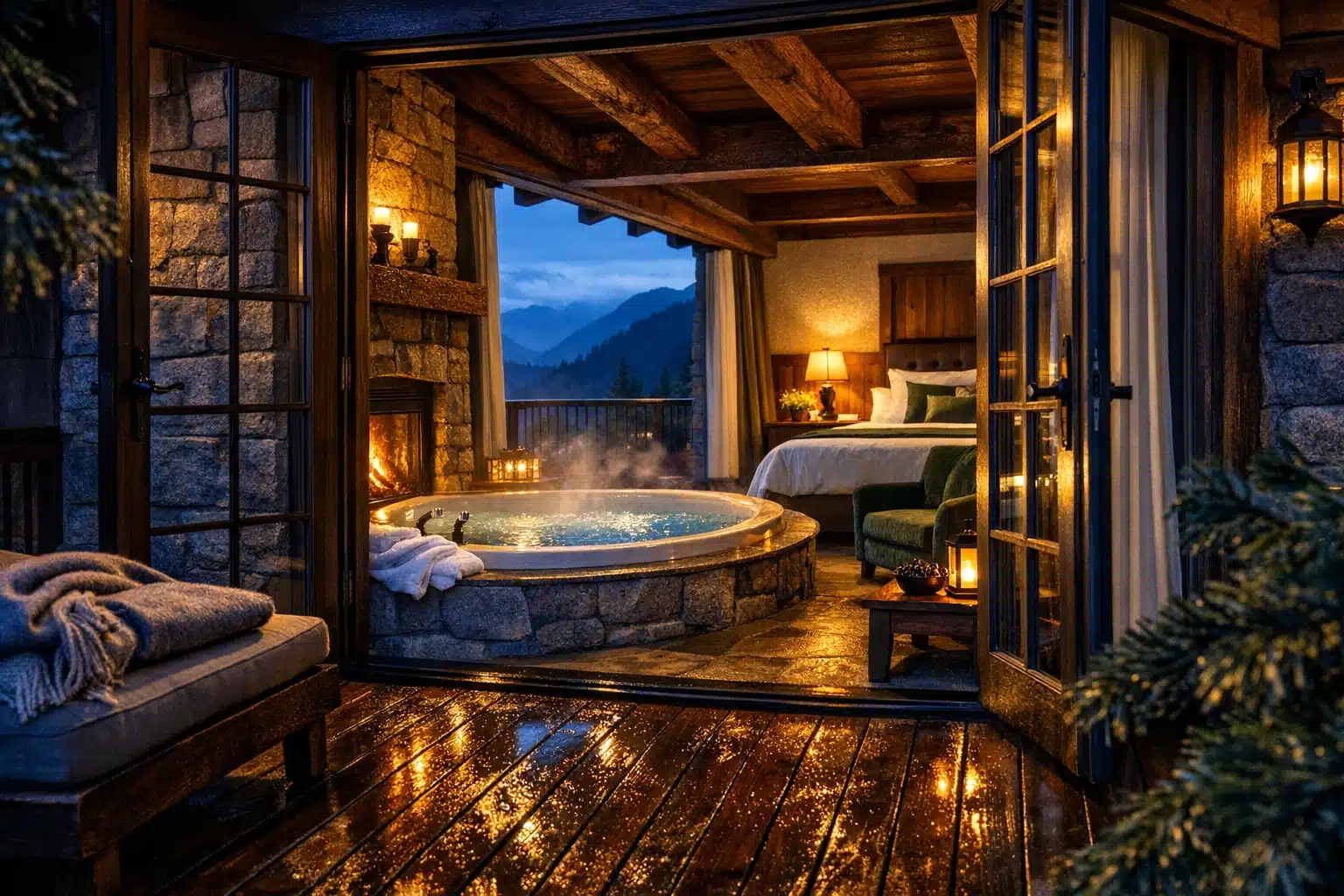
Most in-room jetted tubs are larger than standard bathtubs and are designed to circulate water through built-in jets. Typical capacities often range from around 50 to well over 100 gallons depending on the model, so the experience feels closer to a private spa bath than a normal soak. Some hotels place the tub in the bathroom for privacy and practicality. Others install it in the main room to create a more dramatic, resort-style mood. Neither layout is automatically better. The right choice depends on how you plan to use the space and whether you value romance, convenience, or separation between sleeping and bathing areas.
What should you reasonably expect from a well-appointed Jacuzzi suite? Usually, the best rooms include more than the tub itself. Common additions include:
- A king-size bed and expanded floor plan
- Premium bath linens and better bathroom amenities
- Improved lighting and decorative details
- Seating space, such as a sofa or lounge chairs
- Extra privacy compared with entry-level rooms
That said, the label “suite” can be misleading. In some properties, especially older roadside hotels or converted motels, the room may be only slightly larger than a standard category. The tub becomes the main selling point, but the rest of the room may still feel ordinary. In midscale and upper-upscale hotels, by contrast, a Jacuzzi suite is more likely to come with thoughtful zoning, better sound insulation, and a design that makes the whirlpool feel integrated rather than improvised.
Another important distinction is between appearance and usability. A tub may photograph beautifully but be awkward in practice if hot water runs out quickly, jet controls are noisy, or the surrounding floor lacks storage, hooks, or safe footing. A spacious bathroom with bright lighting and easy access can outperform a more glamorous setup that feels cramped. The water feature should support the stay, not dominate it to the point where everything else becomes inconvenient.
The smart takeaway is simple: a Jacuzzi suite is not one fixed product. It is a category with wide variation in size, design, and quality. Travelers who understand that from the beginning are much more likely to choose a room that delivers the right kind of comfort rather than just the right keyword in an online listing.
Features That Separate a Great Jacuzzi Suite from an Average One
Once you move past the headline attraction, the quality of a Jacuzzi suite depends on many smaller details that shape the stay. Two hotels can advertise nearly identical room types and deliver completely different experiences. The difference usually comes down to layout, maintenance, privacy, atmosphere, and practical comfort. This is where a careful traveler can make a better decision than someone who books based on a single promotional photo.
Start with layout. A truly inviting Jacuzzi suite gives the tub enough space to feel intentional. If the fixture is squeezed between the sink and the toilet, it may technically qualify as a jetted bath, but it will not feel like a premium escape. Better rooms create breathing room around the tub, with shelves for toiletries, towel access, and enough walking space to move comfortably. In more polished properties, the tub is part of a larger design story: soft lighting, coordinated materials, and separation between wet areas and sleeping areas. When done well, the room feels calm rather than cluttered.
Lighting deserves more attention than many guests give it. Bright overhead fixtures are useful for practical tasks, but the most relaxing suites also include warm ambient lighting or dimmable options. The effect can be subtle yet important. A jetted bath under harsh, flat light feels clinical. The same bath framed by softer lamps or indirect lighting feels restorative. This is one reason boutique hotels sometimes outperform larger chains in perceived charm even when their room dimensions are similar.
Noise is another hidden factor. Whirlpool systems vary in sound level, and older tubs can be surprisingly loud. That may not matter to every guest, but it does affect the atmosphere. If your goal is a romantic evening, a conversation, or a quiet wind-down after work, the last thing you want is a system that sounds like it belongs in a utility room. Guest reviews often reveal this point more honestly than hotel descriptions do.
Here are the room details most worth comparing before booking:
- Whether the tub is in the bathroom or open to the sleeping area
- How recently the room was renovated
- Whether there is a separate shower in addition to the tub
- The amount of natural light and ventilation
- Flooring and safety features around the bath area
- Soundproofing between rooms and hallways
Some features matter more to certain travelers than others. Couples may care most about mood, privacy, and aesthetics. Solo travelers may prioritize cleanliness, a comfortable bed, and an easy-to-use bath. Business guests often value speed and practicality, such as quick-fill water pressure, reliable climate control, and a workspace that does not feel like an afterthought. In other words, the best Jacuzzi suite is not universally the most expensive one. It is the one whose design matches the purpose of your trip.
When you look closely, the room begins to reveal its intent. Is it built for photographs, or for comfort? Does it offer a genuine upgrade, or just a more expensive version of the same stay? The answers usually appear in the details, and those details are exactly what transform a jetted tub from a novelty into a worthwhile hotel experience.
Comparing Hotels by Budget, Style, and Traveler Type
Not every traveler wants the same version of a Jacuzzi suite, and not every hotel segment delivers the same balance of price and experience. The phrase may appear in listings from budget roadside properties, suburban midscale hotels, city boutiques, casino resorts, and luxury spas. That variety is useful, but it also means the room you should book depends heavily on why you are traveling and what you expect once you arrive.
Budget and lower-midscale properties often use Jacuzzi suites as a value-oriented upsell. The room may cost notably more than a standard category, yet still remain within reach for weekend travelers who want something special without paying resort prices. These suites can work well for short stays, anniversary overnights, or simple staycations. The trade-off is that furnishings, insulation, and bathroom design may feel dated. Think functional indulgence rather than polished luxury. If the property is clean and well-reviewed, that may be enough.
Midscale and upper-midscale hotels are often the practical sweet spot. Here, you are more likely to find better mattresses, cleaner design, more dependable maintenance, and clearer room descriptions. In many markets, this category offers the strongest value because the premium over a standard room is meaningful but not extreme. Travelers who want comfort without ceremony often do best here. For example, a suburban suite near a highway or business district may provide a large whirlpool bath, decent privacy, and easy parking at a rate far below a downtown spa hotel.
Boutique hotels and luxury resorts tend to frame the Jacuzzi suite as part of a broader atmosphere. The room might include a fireplace, premium robes, a balcony, designer toiletries, better views, or in-room dining that actually feels suited to the setting. The cost rises accordingly, but so does the sense that the room is an experience rather than just lodging with added jets. These properties make the most sense for milestone travel, honeymoon-style weekends, or travelers who place a high value on aesthetics and service.
Different travelers also benefit differently:
-
Couples often prefer privacy, mood lighting, late checkout options, and a tub integrated into a stylish layout.
-
Solo travelers may get better value from a midscale property with strong cleanliness scores and a quiet setting.
-
Business travelers usually benefit from a suite that combines a whirlpool bath with reliable Wi-Fi, a desk, and convenient location.
-
Staycation planners often enjoy suburban or regional hotels where parking is free and room size is larger for the price.
Location changes the equation too. Urban hotels may charge more for less square footage because real estate is expensive, while resort or rural properties may provide larger rooms and better views but fewer off-site dining options. A beach town suite can feel airy and memorable. A mountain lodge suite may trade modern styling for coziness and quiet. Neither is automatically superior. The question is whether the surrounding environment supports the kind of trip you want.
In short, comparing Jacuzzi suites is not only about the tub. It is about fit. The best booking is the one that aligns budget, purpose, and property style in a way that makes the extra spend feel justified rather than impulsive.
Cleanliness, Maintenance, Booking Strategy, and Questions Worth Asking
If there is one area where travelers should be especially attentive, it is maintenance. A Jacuzzi suite only feels luxurious when the tub is clean, functional, and easy to use. Because jetted systems have internal plumbing and moving water parts, they demand more upkeep than a standard bathtub. That does not make them risky by default, but it does mean guests should pay close attention to review patterns and property standards before reserving a room.
Recent guest reviews are often the most useful source of truth. Look for comments about cleanliness, odors, stains, jet function, water pressure, and whether the room matched the listing photos. One isolated complaint may not mean much, especially at busy hotels. Repeated mention of worn tubs, mildew, clogged jets, or unresponsive staff is a stronger signal. Recency matters. A property renovated last year may offer a very different experience from the one described in reviews from three years ago.
It also helps to understand the practical side of using these rooms. Large tubs take longer to fill than standard baths, and they require a reliable supply of hot water. In some older buildings, that can be a limiting factor. The same goes for ventilation. Without proper airflow, a room may become humid quickly, especially if the tub is located in the main sleeping area. A beautiful suite can lose its charm fast if windows fog up, surfaces stay damp, and the room smells stale afterward.
Before booking, consider asking or checking the following:
- Is the jetted tub located in the bathroom or the main room?
- Does the suite also include a separate shower?
- When was the room last renovated?
- Are there posted quiet hours or adult-oriented room locations?
- What is the cancellation policy for premium suites?
- Is late checkout available for an added fee or loyalty benefit?
Price strategy matters too. Jacuzzi suites often sell fastest around weekends, holidays, and Valentine’s season, while weekday rates may be substantially lower in business-oriented markets. Booking early helps in smaller properties with limited specialty rooms. In larger hotels, last-minute discounts sometimes appear, but relying on that can backfire if the best room types are already gone. Comparing the premium against a standard room is useful: if the difference is modest and the suite meaningfully improves the trip, it may be worthwhile; if the surcharge is steep and the supporting features are thin, the value may not hold.
Finally, do not underestimate service. A well-managed front desk can explain the room layout, confirm whether the tub is operational, and clarify what amenities are included. That kind of transparency is often a sign that the hotel understands the expectations attached to a Jacuzzi suite. When a property answers clearly, maintains consistently, and prices reasonably, the room has a much better chance of feeling like a thoughtful upgrade rather than an expensive gamble.
Conclusion: Who Should Book a Jacuzzi Suite and How to Choose One with Confidence
For the right traveler, a hotel with a Jacuzzi suite can turn an ordinary overnight stay into something far more memorable. The key is not chasing the flashiest listing, but choosing a room that fits the purpose of your trip. If you are planning a romantic weekend, look for privacy, layout, lighting, and a setting that supports lingering rather than rushing. If you are booking after a long drive or a demanding workweek, comfort, cleanliness, and quiet may matter more than dramatic design. The tub may be the headline, but the whole room decides whether the stay feels worthwhile.
Couples often get the most obvious appeal from these suites, yet they are not the only audience. Solo travelers can enjoy the extra space and restorative aspect of a warm jetted bath, especially during a short retreat or seasonal getaway. Business travelers may appreciate the sense of decompression after meetings, provided the room still includes practical essentials like a desk, dependable Wi-Fi, and a strong shower. Even local staycation planners can benefit, since a nearby hotel with the right suite can create a break in routine without the time and expense of a longer trip.
When making the final decision, focus on a short checklist rather than marketing language alone:
- Confirm the actual room layout and tub placement
- Read recent reviews for cleanliness and maintenance patterns
- Compare the suite premium against the added comfort you will really use
- Check for supporting amenities such as late checkout, robes, better views, or separate seating
- Match the hotel style to the mood and budget of the trip
A well-chosen Jacuzzi suite offers more than bubbles. It gives you privacy, a slower pace, and the rare feeling that the room itself is part of the destination. That can be genuinely valuable in a travel landscape where many stays blur together. Yet the best experience usually comes from realistic expectations: not every suite is luxurious, not every price premium is justified, and not every photo tells the full story.
If you approach the booking with a little curiosity and a little skepticism, you will be in a strong position. Check the details, compare the context, and choose the property that suits your reason for traveling. Do that, and a Jacuzzi suite can feel exactly as it should: not like a gimmick, but like a thoughtful upgrade that earns its place in your plans.