 Artificially generated image
 Confidence You Can See: Hot Men’s Swimwear Trends 2026
Why Men’s Swimwear Matters More Than Ever in 2026
Swimwear does more than meet a dress code for the beach or pool; it influences how freely you move, how dry you feel, and how confidently you carry yourself through the day. In 2026, men are paying closer attention to proportion, fabric behavior, and color because a good pair of trunks now works as both activewear and casual style. This guide explains what to look for before you buy, so the choice feels practical, modern, and personal instead of rushed.
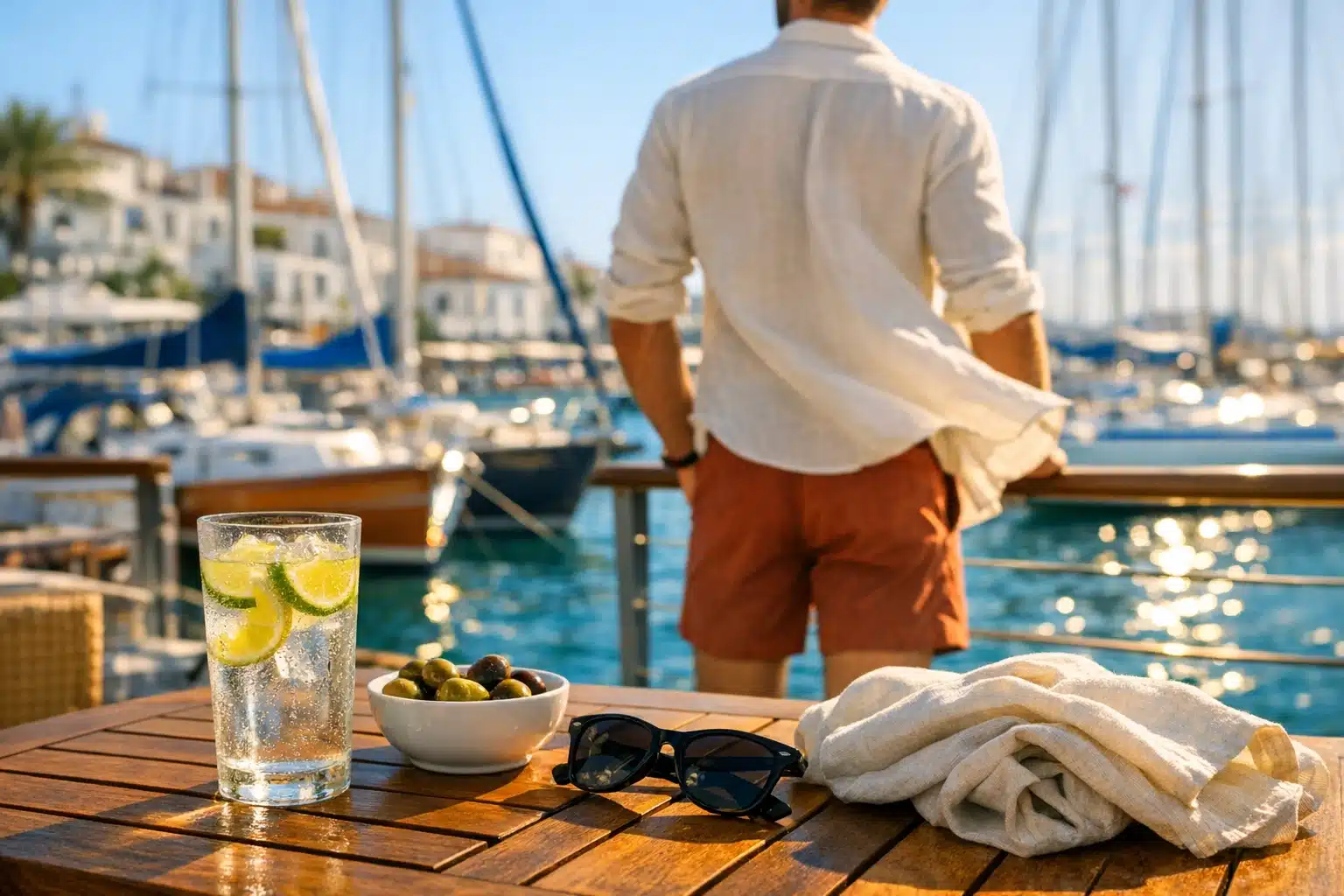
That shift makes sense. Many men no longer buy swimwear for a single annual vacation. One pair may be used for resort travel, weekend swimming, paddle sports, hotel spas, beach clubs, and even lunch by the marina with a linen shirt thrown over the top. Because of that, design expectations have changed. Shoppers want quick-drying materials, cleaner silhouettes, softer linings, and colors that feel current without being difficult to wear. The old divide between purely functional swim shorts and purely fashionable options is fading fast.
Explore 2026 men’s swimwear trends with insights on fit, fabrics, colors, and confidence‑boosting styles designed for comfort and modern appeal.
Before diving into details, it helps to map the article clearly. The rest of this guide focuses on three big decisions and one practical takeaway:
- How fit affects comfort, movement, and visual balance
- Which colors and patterns are gaining momentum in 2026
- What fabric technologies and comfort features are worth checking on the label
- How to combine all three when buying your next pair
Think of swimwear like a summer handshake: brief, visible, and quietly revealing. A pair that fits well signals ease rather than effort. One that bunches, sags, clings awkwardly, or dries slowly can distract you all day, no matter how good the print looked online. Good swimwear is not about chasing a perfect body; it is about choosing design details that work with your frame and your routine. Once you understand inseam length, waistband structure, color direction, and fabric performance, the buying process becomes much simpler. Instead of guessing, you start editing with purpose, which is exactly what smart style in 2026 looks like.
How to Choose the Right Swimwear Fit
Fit is the first decision because it changes everything else. A strong color cannot rescue a poor cut, and premium fabric will still feel disappointing if the shape is wrong for your build or your plans. In men’s swimwear, fit depends on five main factors: inseam length, leg width, rise, waistband design, and overall structure. Start there, rather than with print or branding.
Inseam length has the biggest visual impact. A 5-inch inseam usually feels sportier and shows more leg, which can make the body appear taller and more athletic. A 7-inch inseam is the most versatile middle ground; it works well on many heights and feels modern without seeming extreme. A 9-inch inseam offers more coverage and can suit taller men or anyone who prefers a classic board-short inspired look. There is no universal best length, but proportion matters. If trunks land too low on the knee, the leg can appear shorter. If they are too brief for your comfort level, you may spend the day adjusting rather than relaxing.
Leg opening matters just as much. Slimmer openings create a neater line and reduce that ballooning effect that cheap trunks often develop in the water. A cut that is too tight, however, can restrict movement and emphasize pulling across the seat or thigh. The goal is clean drape, not compression. Men with broader thighs often do well with a slightly tailored but not narrow leg. Leaner frames can usually wear shorter, trimmer cuts with ease.
Here is a useful way to compare common styles:
- Short trunks: best for a modern, active, clean silhouette
- Mid-length trunks: easiest all-round option for most body types
- Board shorts: better for surfing or coverage, but less polished in many settings
- Swim briefs or square cuts: ideal for lap swimming and minimal drag, though not every wearer wants that look outside the pool
Waistbands also deserve attention. An elastic waist with a drawstring is forgiving and practical, especially for mixed activities. A flatter front with partial stretch can look more refined for travel and resort wear. If the waistband digs in, folds over, or slides down after swimming, the fit is off. As a general rule, you should be able to move, sit, and walk briskly without fidgeting.
Try to match fit to use. For lap sessions, choose secure, streamlined construction. For beach days and hotel lounging, mid-length trunks with a balanced cut often deliver the best mix of comfort and style. When in doubt, choose the pair that makes you forget about it after five minutes. That quiet ease is usually the best sign you found the right fit.
Trending Colors and Patterns for 2026
Color trends in 2026 are moving in two directions at once: grounded sophistication and expressive freshness. That means men will see plenty of muted neutrals, but also more adventurous shades that still feel wearable rather than loud for the sake of attention. The overall mood is polished, sun-washed, and confident. Instead of highly glossy neon dominating the conversation, many collections are leaning toward colors that look good in natural light and pair easily with relaxed summer staples.
Among solids, earthy and aquatic tones stand out. Deep olive, mineral green, faded teal, rusted terracotta, sand, and soft navy are especially relevant because they flatter a wide range of skin tones and photograph well outdoors. Powder blue and washed coral are also appearing more often, offering a brighter effect without tipping into childish territory. Black remains dependable, of course, but 2026 black is often softened by texture, contrast piping, matte finishes, or subtle trim rather than left completely plain.
Patterns are becoming more refined too. Tropical prints still exist, but the oversized, chaotic leaf explosion is giving way to more controlled design. Think micro-botanicals, geometric ripples, broken stripes, abstract water-inspired motifs, and retro postcard colors filtered through a cleaner layout. This is good news for men who like personality but do not want to look as if they borrowed a costume from a themed pool party.
Some of the most notable pattern directions include:
- Retro vertical stripes that lengthen the frame visually
- Minimal abstract prints in two or three colors
- Wave and tide-inspired graphics with a hand-drawn feel
- Vintage resort motifs used sparingly on tailored silhouettes
Color choice should also respond to body shape and styling goals. Darker tones usually create a more streamlined impression, while lighter shades bring attention forward. Smaller prints tend to be easier to wear on compact frames, while taller men can often carry broader graphics without being visually overwhelmed. If you want maximum versatility, choose one solid pair and one patterned pair that shares a similar base color. That makes packing easier and styling simpler with shirts, sandals, and overshirts.
There is also an emotional side to color. A well-chosen shade can do something subtle but powerful: it changes posture. The man who would never wear bright orange might feel unexpectedly sharp in dusty coral. The one who always defaults to black may find sea green feels fresher and less predictable. In that sense, color is not just decoration. It is a way of tuning mood, presence, and confidence before you even step onto the sand.
Fabric and Comfort Features in Modern Swimwear
Modern swimwear fabrics have improved significantly, and the difference is noticeable within minutes of wear. The best pairs do not just resist water; they manage it intelligently. They dry faster, stretch more naturally, feel softer against the skin, and hold their shape after repeated exposure to salt, chlorine, and sun. If fit is the frame of good swimwear, fabric is the engine that keeps it comfortable.
Most quality men’s swimwear today relies on blends built around polyester, nylon, and elastane. Polyester is valued for durability, color retention, and resistance to chlorine. Nylon often feels smoother and lighter, which many wearers describe as more premium on the skin. Elastane, usually added in small percentages such as 5 to 15 percent, brings stretch and recovery, helping the garment move with the body rather than fighting it. Recycled polyester and recycled nylon are also becoming more common, especially in mid-range and premium collections, as brands respond to demand for more responsible materials.
Comfort goes far beyond the main shell fabric. The lining can make or break the experience. Traditional mesh briefs are still common, but softer mesh, perforated support linings, and compression-style inner shorts are increasingly preferred because they reduce chafing and feel less scratchy. Men who walk long distances in swimwear or move between swimming and sightseeing often benefit from those upgraded interior constructions.
When comparing labels, keep an eye on these practical features:
- Four-way stretch for easier movement in and out of the water
- Quick-dry finishes that reduce that clingy post-swim feeling
- UPF-rated fabric, with UPF 50 blocking about 98 percent of UV radiation
- Flat seams or smooth seam placement to limit rubbing
- Laser-cut drainage or mesh pocket bags that prevent water buildup
- Anti-odor or moisture-management treatments in hybrid designs
Texture also matters. Some fabrics have a crisp, structured hand that looks tailored and neat at lunch after a swim. Others are ultra-soft and sport-oriented, ideal for active movement but visually more casual. Neither is automatically better; it depends on how you use them. If you travel often, a fabric that dries quickly in a hotel bathroom overnight can be more valuable than a slightly richer hand-feel. If you spend long hours poolside, a smoother touch and a better lining may be worth paying extra for.
The smartest approach is to read beyond marketing slogans. Terms like “premium,” “performance,” or “luxury feel” can mean very little without details. Check fiber composition, lining type, stretch percentage, and pocket construction. Those small technical choices are where real comfort lives, and once you notice them, you will never shop for swimwear the same way again.
Bringing It All Together: Smart Buying Tips and a Confident Final Take
The right swimwear purchase happens when fit, color, and fabric support one another instead of competing. A flattering cut in a dated print may feel off. A trending color in a stiff, slow-drying material may stay in the drawer. A technical fabric in a silhouette that does not suit your proportions will not suddenly become a favorite. The strongest choice is usually the pair that balances appearance and practicality so well that you wear it often and without second thoughts.
For most men, a small rotation works better than chasing one “perfect” do-everything pair. A smart starter wardrobe might include a versatile solid trunk in a mid-length cut, plus a second option with a distinctive pattern or seasonal color. That gives you flexibility for different settings while keeping your choices streamlined. If you are rebuilding from scratch, prioritize neutral usefulness first, then add personality.
Here is a practical checklist before buying:
- Check the inseam and compare it with shorts you already like
- Look at the leg opening to avoid excess volume or restriction
- Choose a waistband that stays secure without digging in
- Read the fabric blend instead of relying only on product photos
- Inspect the lining, pocket design, and drying features
- Pick a color that works with at least two shirts or cover-ups you own
It also helps to think about setting. A man who spends his holidays swimming laps at sunrise needs something different from the man who alternates between the sea, a beach café, and an afternoon walk through town. Buying for your real habits is far more effective than buying for an imagined lifestyle. The best style decisions often begin with honesty.
For the modern male shopper, confidence in swimwear rarely comes from following every trend. It comes from selecting pieces that respect your build, your comfort, and your taste. In 2026, the strongest direction is not louder, tighter, or flashier by default. It is smarter. Better fit, more considered color, and more advanced fabric design allow swimwear to feel easier, sharper, and more versatile than before.
So if you are standing in front of a new season rack or scrolling through another endless product page, simplify the decision. Start with proportion, move to material, then choose a shade or pattern that feels like an upgrade rather than a costume. When those three elements line up, the result is more than a trend purchase. It is a summer essential that lets you show up looking prepared, feeling comfortable, and carrying yourself with real ease.