 Artificially generated image
 These Are the Top Prostate Massagers People Are Choosing This Season
Men’s wellness technology has moved from whispered curiosity to open, design-led conversation, and prostate massagers now sit at the center of that shift. Buyers are paying closer attention to comfort, materials, noise levels, and app privacy rather than chasing novelty alone. That makes this season a useful moment to compare what is changing, which features matter, and how thoughtful design can shape a better overall experience.
Outline: This article begins with the broader trend behind prostate massagers and male wellness devices, then moves into design variations across the category. After that, it examines the features that separate a thoughtful device from a frustrating one, including motors, materials, charging, and waterproofing. The fourth section looks at practical user considerations such as comfort, hygiene, budget, and discretion. The final section focuses on what people appear to be choosing this season and closes with a buyer-focused summary.
The Category Is Growing Up: Trends Behind Prostate Massagers and Male Wellness Devices
One of the clearest trends this season is that prostate massagers are no longer being discussed only as niche products. They are increasingly grouped with broader male wellness devices, a category that now includes recovery tools, pelvic wellness accessories, app-enabled personal care products, and premium body-safe designs that borrow ideas from mainstream consumer tech. In practical terms, that shift matters because it changes what buyers expect. People are not just asking whether a device vibrates or has multiple settings. They are comparing build quality, user interface, battery life, packaging, and long-term durability, much the same way they would assess electric grooming tools or fitness trackers.
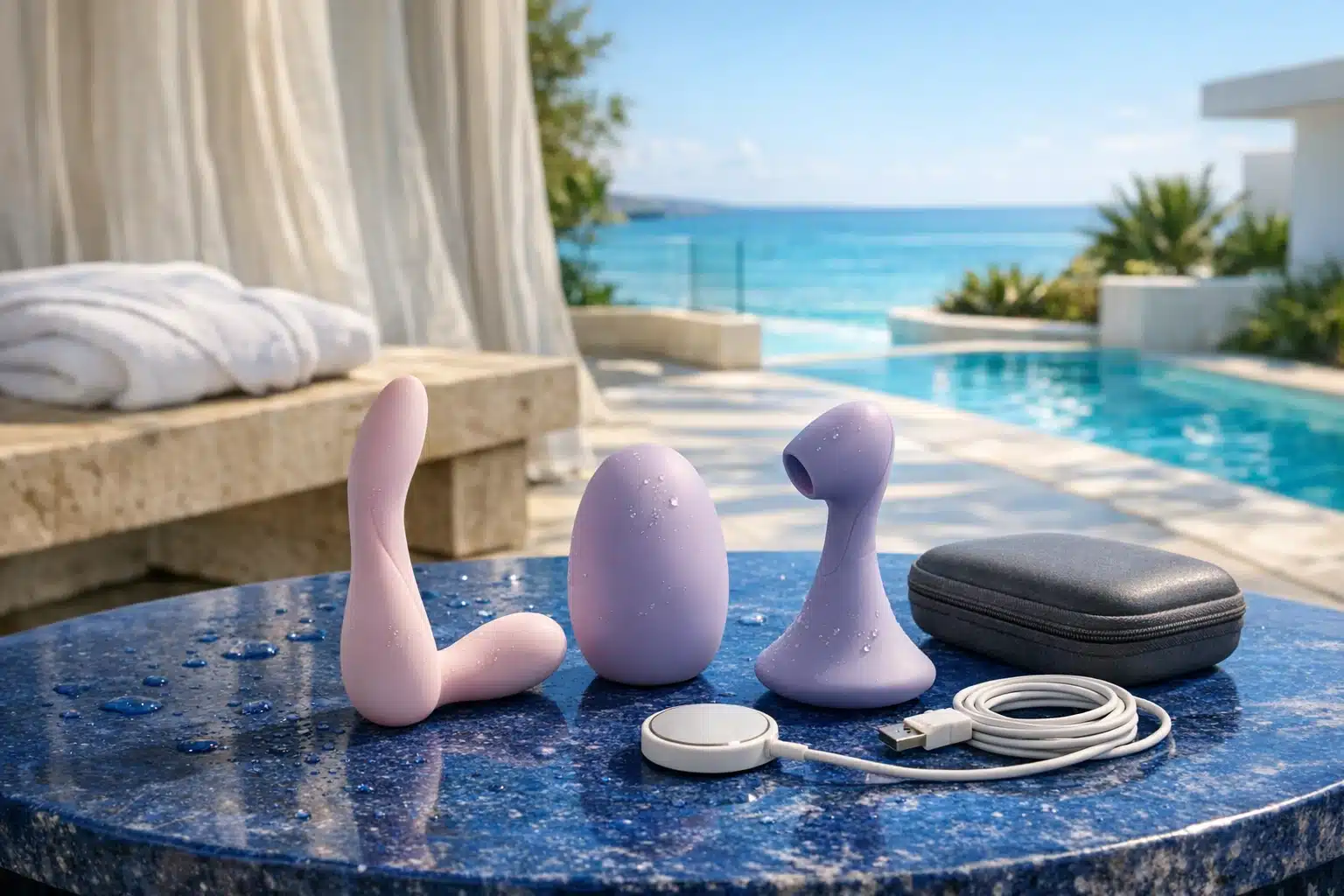
An overview of prostate massagers, focusing on design variations and general user considerations.
That sentence captures the heart of the category today. Buyers are increasingly interested in how a device is shaped, how approachable it feels, and whether it seems designed for real people rather than for a novelty shelf. Retail listings and product descriptions often highlight soft-touch silicone, quieter motors, water resistance, and more understated color palettes. The visual language has changed too. Instead of loud styling and exaggerated claims, many newer devices lean toward minimal design, matte finishes, and packaging that feels discreet and modern.
Several trends stand out right now:
• smaller entry-level sizes for beginners
• flexible necks that adapt better to body position
• quieter motors for privacy
• magnetic or USB charging for convenience
• app controls that are optional rather than mandatory
Another notable change is the role of education. Better product pages now explain shape, firmness, and intended use without sounding clinical or awkward. That matters because confidence often begins with clarity. A confusing listing can make even a good device feel risky, while a well-explained design can help a buyer choose more realistically. There is also a growing awareness that “top” products are not always the most complex or expensive. In many cases, popular seasonal picks are the ones that balance comfort, simplicity, and consistent construction. Like any well-designed object, the best devices often feel less like a gadget and more like a tool that has quietly thought through the details.
Understanding Design Variations: Shape, Size, Flexibility, and Form
When people compare prostate massagers, the first thing they usually notice is shape, and for good reason. Shape affects comfort, learning curve, control, and how intuitive a device feels in use. Some models are compact with a smooth curve and a rounded tip, designed to feel less intimidating for first-time buyers. Others use a longer profile or a more pronounced angle to target a more specific fit. Neither approach is automatically better. The right design depends on experience level, body preference, and how much adjustability a user wants.
A few broad categories help make sense of the landscape. Entry-level devices often feature a slimmer insertable portion, a softer curve, and a wider external base for handling. Mid-range designs may add a more defined neck, stronger motors, or external contact points intended to create a more balanced feel. Premium models sometimes introduce dual-motor layouts, flexible joints, or remote and app-based control systems. This is where design starts to look a bit like architecture: small changes in angle, weight distribution, and surface texture can completely alter the experience.
Common design differences include:
• fixed curve versus adjustable or flexible neck
• narrower tip versus fuller bulb shape
• lightweight travel-friendly body versus heavier premium build
• simple one-piece silhouette versus dual-zone structure
• manual pressure-focused design versus vibration-forward design
Material also matters more than many buyers initially assume. Body-safe silicone is popular because it is smooth, non-porous when made well, and generally easier to clean than cheaper porous materials. Surface texture can change the feel dramatically. A velvety matte finish may provide grip in the hand, while a slicker finish can feel more streamlined. Firmness matters too. A very soft device may feel approachable but can reduce precision, while a firmer structure can improve targeted pressure at the cost of a stronger sensation.
Then there is the base or handle, a part that often gets less attention than it deserves. A well-designed base improves insertion angle, removal control, and overall confidence. Some are ring-shaped for grip, some are flattened for stability, and others are sculpted to sit more naturally against the body. This season, many of the most appealing designs are not the boldest. They are the ones that feel resolved, balanced, and easy to understand at a glance. Good design rarely screams. More often, it whispers, “I have been thought through.”
Device Design Features That Matter in Real Life
Once shape gets your attention, features determine whether a device remains satisfying after the first week. This is where many buyers become more selective, especially as prostate massagers increasingly compete with other male wellness devices that already offer polished controls, better charging, and quieter operation. A strong-looking product can still disappoint if the buttons are awkward, the battery fades quickly, or the motor sounds louder than expected. In real life, convenience and consistency matter just as much as headline features.
Motor quality is a major dividing line. A cheaper motor may produce buzzy, surface-level vibration that feels harsh or noisy, while a better motor tends to deliver more controlled patterns with less rattle. Noise matters for obvious reasons, but it also hints at internal build quality. A quieter unit often reflects tighter assembly and better damping. Pattern variety can be useful, but more settings do not automatically mean a better experience. Many shoppers eventually prefer a smaller set of distinct, usable modes over a cluttered menu of barely different pulses.
Charging systems are another feature to inspect carefully. Magnetic charging is popular because it reduces port exposure and helps waterproofing, though it can disconnect if bumped. USB charging remains common and convenient, but the quality of the cable connection varies widely. Battery life claims should be read with context because runtime often changes based on power setting. Still, buyers generally appreciate devices that can survive several sessions without demanding constant recharging.
Important design features to compare include:
• button placement that can be identified by touch
• clear power and mode controls
• travel lock for storage and transport
• full waterproofing for easier cleaning
• stable charging connection
• memory function that returns to a preferred setting
App control is another trend worth a careful look. Some users appreciate the expanded control and customization. Others prefer devices that work perfectly without pairing, updates, or permissions. Privacy-conscious buyers often see app support as a bonus rather than a requirement. That is a healthy attitude, because software should improve a device, not hold it hostage. Finally, pay attention to seams, charging-pin placement, and how easily the device rinses after use. The glamour shot on a retail page tells one story. The sink, the drawer, and the second month of ownership tell the real one.
Practical Buying Considerations: Comfort, Hygiene, Budget, and Discretion
Even the best-looking device can become a poor purchase if it does not match the user behind the checkout button. That is why practical buying considerations matter so much in this category. Comfort should come first, especially for new buyers. A smaller, simpler device is often a wiser starting point than a feature-heavy model with a steep learning curve. Many seasonal roundups spotlight premium devices, but not everyone benefits from jumping directly into the most advanced option. Sometimes the smarter move is the one that feels boring in the best possible way: easy to hold, easy to clean, and easy to understand.
Hygiene is another non-negotiable factor. High-quality silicone is a common preference because it is generally easier to keep clean and less likely to feel cheap or overly rigid. Waterproof construction can simplify maintenance, but shoppers should still check whether the rating is clearly described rather than vaguely implied. A storage pouch or case also adds value. It is not just about presentation. It protects the material from dust, lint, and accidental damage in a drawer or travel bag.
Budget often shapes the decision, but price should be judged against durability and usability rather than novelty. An inexpensive device that charges poorly, sounds loud, or uses confusing controls may end up costing more in frustration than a mid-range model with fewer compromises. On the other hand, a high price tag alone does not guarantee better design. In this market, premium should mean improved materials, cleaner engineering, stronger quality control, and more thoughtful ergonomics.
Buyers often do well to ask a short list of practical questions:
• Is the size realistic for my experience level?
• Can I understand the controls without reading a manual every time?
• Is the material body-safe and easy to clean?
• Does the shape seem stable and comfortable?
• Will the device feel discreet to store and recharge?
Discretion also plays a bigger role than people sometimes admit. Noise, packaging, charging cable style, and overall visual design all affect how comfortable a product feels in everyday life. Many of the strongest male wellness devices now look more like premium personal care tools than loud novelty items, and that subtle shift can make ownership feel easier. It is a little like replacing a flashy gadget with a well-made pen: less drama, more confidence.
What People Are Choosing This Season and What Smart Buyers Should Take Away
This season, the products drawing the most attention appear to share a clear pattern. Buyers are favoring devices that combine moderate sizing, body-safe materials, quieter motors, and straightforward controls. In other words, the winners are rarely the most complicated. They are the devices that reduce friction in every sense of the phrase: less confusion during setup, less awkwardness in storage, less noise during use, and less guesswork around cleaning. That preference aligns with the broader evolution of male wellness devices, where polished design increasingly matters as much as raw feature count.
Flexible or gently curved forms remain especially popular because they suggest comfort and adaptability without forcing the user into a highly specific posture or technique. Fully waterproof construction is also high on the checklist, partly because it simplifies maintenance and partly because it signals a more complete level of engineering. Matte silicone finishes continue to stand out as well, giving devices a more refined feel in both the hand and the drawer. Many shoppers also seem to appreciate products that offer app support without making it the center of the experience. Optional tech is attractive; dependency is less so.
The most common seasonal priorities seem to be:
• approachable size and shape
• discreet appearance and lower noise
• dependable battery and easy charging
• secure base and comfortable handling
• easy cleaning and sensible storage
For the target audience, the biggest takeaway is simple: buy for fit, not hype. A device that matches your experience level, comfort preferences, and tolerance for complexity is far more likely to feel worthwhile than one chosen for trend appeal alone. Reading beyond headline claims helps. Look at dimensions, materials, control layout, waterproof details, and whether the product description clearly explains its intended design. If those basics are vague, the device may be too.
Conclusion for readers comparing this category: the best prostate massagers and male wellness devices this season are not just stylish objects. They are tools shaped by better ergonomics, more realistic user education, and smarter feature choices. If you want a confident starting point, choose a model with body-safe materials, intuitive controls, manageable size, and easy cleaning. Good design should leave you feeling informed before purchase and comfortable after it, and that is the standard worth following.