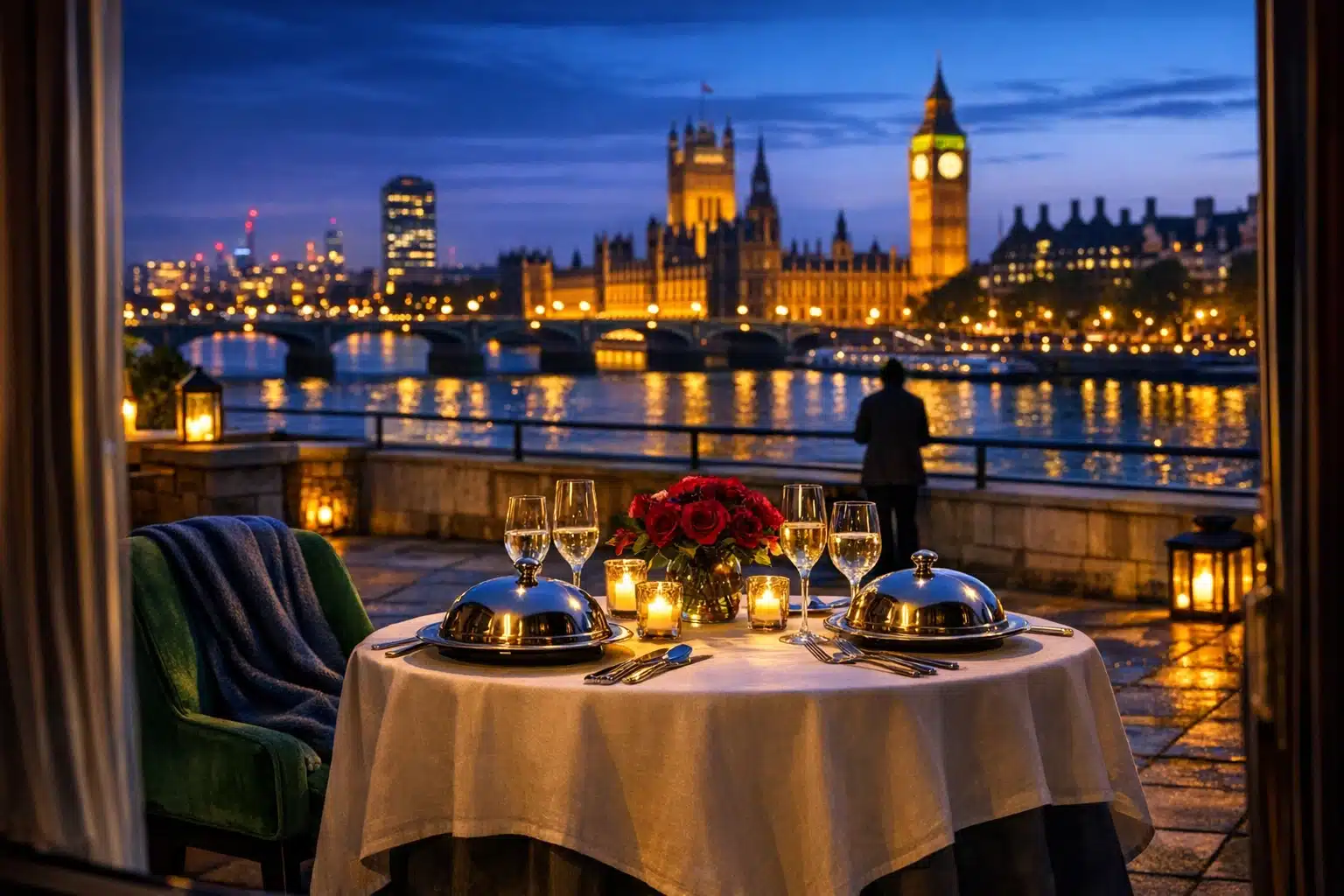
 Artificially generated image
 3-Night All-Inclusive Hotel Stays in London (Last-Minute Prices 2026)
Introduction and Article Outline
Planning a 3-night all-inclusive stay in London can feel slightly odd at first, because the city is built more for fast-moving weekend breaks than wristband-style resort holidays. Still, bundled packages with breakfast, dinner, drinks, spa access, or attraction credits can make a short trip easier to budget and far less fragmented. For couples, families, and solo travelers alike, the real value lies in understanding what is actually included, where the hotel sits, and how last-minute prices shift with the calendar.
That is why this topic matters. London remains one of Europe’s most visited cities, yet it is also one of the easiest places to overspend without realizing it. A cheap room can become an expensive weekend once transport, restaurant bills, museum add-ons, and service charges begin to pile up. On the other hand, an apparently expensive package may turn out to be the better deal if it includes daily meals, flexible cancellation, airport transfers, or evening drinks. In a city where one dinner for two can quickly rival the cost of a budget hotel room elsewhere in the country, inclusions are not decorative extras; they are part of the math.
This article uses the phrase all-inclusive in the way it is commonly marketed for city stays in 2026: not necessarily unlimited food and drink from morning to midnight, but a package that bundles several major trip costs into one booking. That distinction is important, because a London traveler searching for a Mediterranean-style resort experience may be disappointed, while a traveler looking for convenience and cost control may be pleasantly surprised.
Outline of the article:
• First, we define what all-inclusive usually means in London and set realistic last-minute 2026 price bands.
• Next, we compare neighborhoods and hotel types, because location can save both money and time.
• Then, we examine booking strategies for short-notice trips, including how to read package terms without falling for vague marketing.
• Finally, we close with a practical guide for different traveler types and a conclusion focused on choosing the right 3-night stay rather than the flashiest offer.
Think of London as a grand stage with a crowded backstage. The landmarks sparkle, the markets hum, the river glides past old stone and glass towers, but the mechanics of a good stay are hidden in the fine print. If you can read that fine print well, a 3-night break can feel smooth, indulgent, and surprisingly efficient.
What “All-Inclusive” Usually Means in London and Realistic Last-Minute Price Bands for 2026
The first rule of booking a London all-inclusive stay is simple: do not assume the term means the same thing it would at a beach resort in Spain, Turkey, or the Caribbean. In London, truly traditional all-inclusive hotels are rare. What you are more likely to find are urban packages that combine accommodation with breakfast, one or two dinners, drinks credits, afternoon tea, spa access, parking, or tickets to nearby attractions. Some upscale properties also offer club lounge access, which can include breakfast, snacks, and evening canapés with selected beverages. For a 3-night stay, these bundled elements can still deliver strong value, but only if the package matches how you actually travel.
As a broad guide for last-minute 2026 pricing, travelers should expect wide variation based on season, location, room type, and event demand. Indicative ranges for two adults booking close to arrival often look like this:
• Budget outer-London or airport-adjacent package with breakfast and limited dining credit: roughly £450 to £750 total for 3 nights.
• Mid-range city hotel with breakfast, one dinner, and occasional extras such as prosecco, late checkout, or transport discounts: roughly £750 to £1,400 total.
• Upper-upscale central stay with breakfast, lounge access, spa use, and a dining package: roughly £1,500 to £3,500 or more.
These are not fixed market rates, but practical planning bands. Major concerts, Wimbledon, Christmas shopping season, New Year’s Eve, school breaks, and bank holiday weekends can push them higher.
Value also depends on what the inclusions replace. Breakfast for two in central London can easily cost £25 to £50 per day in a sit-down setting. One well-located dinner can add another £50 to £120 or more, depending on style and drinks. Transport may be manageable, but repeated Tube journeys, taxis, and airport transfers still nibble away at your budget. That is why a package with breakfast, one dinner, and a good location may outperform a cheaper room-only rate in the final tally.
There is another layer to comparison: flexibility. Last-minute offers sometimes look attractive because they are prepaid and non-refundable. Others cost slightly more but allow date changes or include cancellation windows. In a city with weather disruptions, rail strikes, changing flight times, and packed event calendars, flexibility has financial value. A lower headline rate is not automatically the smarter deal.
When reading the listing, focus on exact wording:
• Does all-inclusive mean all meals, or only breakfast plus dinner?
• Are drinks included throughout the day, only at dinner, or only in the lounge?
• Are children covered under the same meal terms?
• Are service charges or destination fees added later?
• Are attraction tickets dated and non-transferable?
In short, London all-inclusive stays are best understood as carefully bundled city breaks. If you treat them as convenience packages rather than unlimited-indulgence resorts, the market becomes much easier to compare and a lot less disappointing.
Where to Stay: Comparing Central London, Riverside Districts, Business Hubs, and Airport-Based Options
Location shapes the quality of a 3-night London stay more than many travelers expect. Because the trip is short, every extra transfer matters. A hotel that saves £40 per night but adds forty minutes of travel each day can quietly steal half an afternoon by the end of the stay. That is why the best all-inclusive value is not always the lowest room price. It is the offer that fits your itinerary with the least friction.
Central London districts such as Westminster, Covent Garden, South Bank, Bloomsbury, and parts of Kensington tend to be the strongest choice for first-time visitors. They place you close to major museums, theatres, parks, and transport links, so you can do more on foot and spend less energy navigating. Packages here often cost more, but the trade-off is convenience. If your plan includes classic sights, a West End show, and evening walks by the Thames, paying for a central base may be worth every pound. The city feels different when you can step out after dinner and still be in the middle of it all, with lit bridges and buzzing streets creating that unmistakable London afterglow.
Riverside and leisure-oriented districts can be especially attractive for short breaks that prioritize atmosphere. South Bank and Canary Wharf, for example, often feature modern hotels with lounges, dining deals, and weekend packages. South Bank suits travelers who want culture and walkability. Canary Wharf may work well for couples seeking sleek rooms, strong transport, and calmer nights, especially on weekends when business demand softens. Greenwich can also offer a pleasant compromise, with more space, appealing views, and easier access to family-friendly attractions.
Business hubs and airport zones often deliver the lowest last-minute package prices. Areas around Heathrow, Croydon, or outer transport corridors may include breakfast, parking, or dinner deals at noticeably lower rates than Zone 1 hotels. These can be smart choices if you are arriving late, driving in, or planning only one big day in central London. Still, they are not ideal for everyone. A 3-night city break is short enough that daily commuting can feel like a tax on spontaneity.
When comparing districts, consider these practical filters:
• First-time sightseeing trip: central or riverside usually wins.
• Romantic weekend with dining plans: central, South Bank, or a well-rated luxury neighborhood stay is often worth the premium.
• Family break needing larger rooms: look at Greenwich, Docklands, or modern outer-zone hotels with package add-ons.
• Flight-based overnight convenience: Heathrow-area packages can be very efficient.
The best location is not the one with the most famous postcode. It is the one that helps your three days flow naturally. In London, a well-placed hotel can act like an extra attraction, while a badly placed one can become a daily logistical puzzle.
How to Find Last-Minute Value Without Sacrificing Quality
Last-minute hotel booking in London has a certain drama to it. Prices rise, dip, and twist around events, weekends, weather, conferences, and sudden gaps in occupancy. Yet spontaneity does not have to mean guesswork. A good 3-night all-inclusive booking strategy balances timing, package design, and careful reading of conditions.
One of the most effective approaches is to compare not just hotels, but deal structures. For example, a room-only rate may look cheaper than a package with breakfast and dinner. However, if the hotel is in an expensive dining area and you plan to eat on site or nearby, the package can come out ahead. Similarly, a stay including club lounge access may cost more upfront but reduce spending on breakfast, drinks, and light evening food. Travelers often underestimate how much these small daily expenses add up over a short trip.
Timing matters too. In many cases, last-minute value appears within a fairly narrow booking window, often from two weeks out to a few days before arrival, though there is no universal rule. Luxury hotels sometimes release better short-notice discounts when they need to fill rooms, while budget properties in high-demand periods can become more expensive rather than less. Friday and Saturday nights tend to stay firm in leisure-heavy districts, whereas Sunday night can sometimes soften in business-oriented locations. If your dates are flexible, shifting the stay by even one day can change the total materially.
To improve your odds, check several variables at once:
• Meal inclusions: breakfast only, half board, dining credit, lounge access, or full package.
• Room category: upgraded rooms may bring better value than expected when club benefits are attached.
• Cancellation terms: a slightly higher flexible rate can be safer than a rigid bargain.
• Transport cost: a cheaper distant hotel may stop looking cheap once fares and time are factored in.
• Taxes and service: confirm the final payable amount before booking.
Quality control is equally important. Read recent reviews for three things: noise, cleanliness, and service consistency. In a short stay, these factors matter more than long amenities lists. A rooftop bar sounds glamorous, but not if the room above it vibrates past midnight. A spa credit looks generous, but not if appointments are fully booked all weekend. Last-minute buyers should also contact the hotel directly when the offer seems unclear. A quick question about dining hours, children’s meals, or lounge rules can prevent a frustrating surprise.
There is also a strategic middle ground between official hotel websites and large booking platforms. Aggregators are useful for comparison, while direct booking sometimes adds perks such as later checkout, free upgrades when available, or better package clarity. The best path is often to compare both, then choose the option with the strongest total value and the clearest terms. In a city as layered as London, clarity is part of the luxury.
Who These Packages Suit Best and Conclusion: Choosing the Right 3-Night London Stay
Not every traveler needs an all-inclusive package in London, but for certain trip styles it can be a smart, calming choice. Couples booking a celebratory weekend often benefit most, especially when the package includes breakfast, one elegant dinner, a drink on arrival, and late checkout. Those extras smooth the edges of the trip. Instead of deciding where to eat the moment you drop your bags, part of the experience is already arranged. Families can also do well with bundled offers when children’s meals, larger rooms, or attraction tickets are included, though it is essential to check age rules and meal limitations. Solo travelers may prefer breakfast-inclusive city hotels with good transport rather than heavier dining packages, unless the goal is a self-contained retreat.
Business-leisure travelers are another strong fit. Someone arriving for one work commitment and staying through the weekend may find that a package hotel in Canary Wharf, the City, or near a major rail link gives them both structure and comfort. Likewise, travelers who dislike daily budgeting often appreciate the psychological ease of prepaying key elements. London is thrilling, but it is also fast, crowded, and full of tempting detours for your wallet. Knowing that breakfast is covered and one dinner is already handled can make the whole break feel lighter.
Before booking, run through a final checklist:
• Is the hotel close to the places you genuinely plan to visit?
• Are the included meals useful, or would you rather explore restaurants independently?
• Does the package save real money compared with booking the parts separately?
• Are there blackout times for dinner, lounge access, spa use, or attraction entry?
• Would a central room-only stay actually suit your habits better?
The ideal 3-night London package is not the one with the longest feature list. It is the one that matches your pace. Some travelers want a base for museums, theatre, and late walks across the river. Others want a quiet room, an easy breakfast, and one polished dinner before an early flight home. Both are valid. The trick is to book a stay that supports the trip you want, rather than the advertisement you happen to like most.
For the target audience of short-break travelers, the conclusion is straightforward: treat all-inclusive London offers as curated convenience, not resort fantasy. Compare what is covered, place high value on location, and use realistic 2026 price bands to avoid being dazzled by a low headline rate or intimidated by a higher one. If you make those comparisons carefully, a 3-night stay can deliver exactly what many people want from London: less admin, more atmosphere, and enough breathing room to enjoy the city instead of constantly paying for it piece by piece.