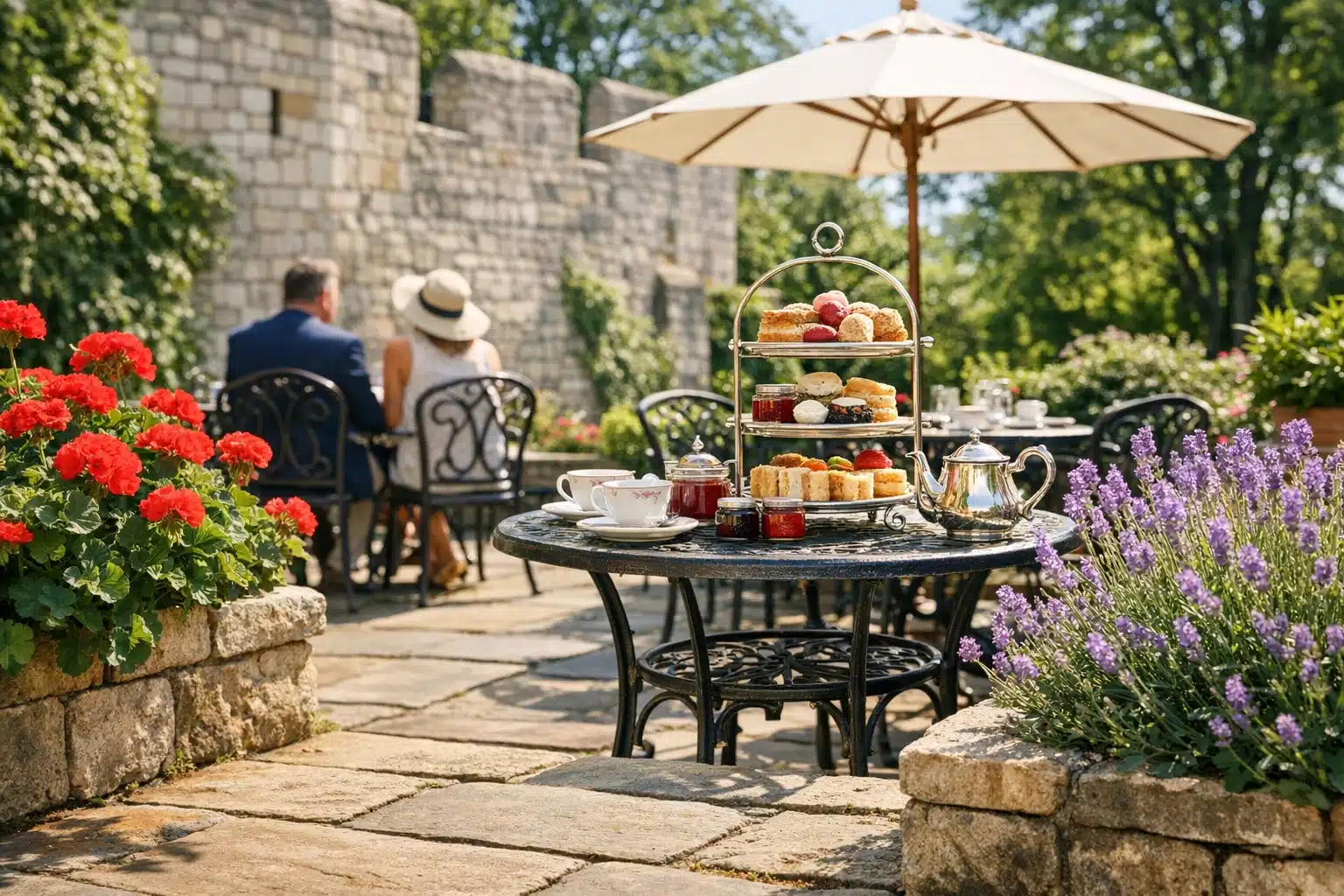
 Artificially generated image
 3-Night All-Inclusive Hotel Stay in York: What Makes This Worth It?
York works especially well for travelers who want a break that feels rich in atmosphere without demanding a week of planning, long transfers, or an exhausting schedule. In only a few days, visitors can move from medieval lanes and museum visits to river walks, good food, and quiet hotel time. That balance helps explain the appeal of bundled stays: they simplify choices while preserving flexibility. For many guests, the real luxury is not extravagance, but a smoother way to enjoy the city with less friction.
Outline
- Why York is a natural fit for short city breaks
- What travelers usually get in York hotel stay packages
- How comfort features shape the overall experience
- How to compare package value, location, and itinerary style
- Who benefits most from a 3-night stay and how to decide if it is worth it
Why Travelers Are Exploring Short City Breaks in York
York has a rare advantage in the city-break market: it feels substantial without feeling overwhelming. Many destinations promise culture, food, and atmosphere, but not all of them deliver those elements in a compact, easy-to-navigate setting. York does. Its historic core is highly walkable, major sights sit relatively close together, and the city offers enough variety to fill several days without forcing visitors into long commutes or complicated planning. That is a major reason travelers are increasingly drawn to short stays here rather than longer, more expensive trips elsewhere.
Accessibility also plays a role. York is well connected by rail, especially for domestic travelers coming from London, Leeds, Manchester, Newcastle, and Edinburgh. For people trying to maximize limited time off, that matters. A city break becomes more appealing when the journey itself does not eat half the weekend. Instead of spending a full day in transit, visitors can often arrive, check in, and start exploring before lunch. That practical convenience has become part of the destination’s appeal, not just a footnote.
There is also the matter of range. York can satisfy different travel styles within the same short itinerary. A couple might spend the morning inside York Minster, drift through The Shambles in the afternoon, and end the day with dinner in a traditional pub or modern bistro. A family may combine the National Railway Museum with a river cruise and a relaxed hotel evening. Solo travelers often appreciate the city’s manageable scale, which makes independent wandering feel inviting rather than stressful. In other words, York adapts well to different budgets, ages, and expectations.
The city’s atmosphere deserves attention too. Some places are enjoyable because they are busy; York is memorable because it layers energy with texture. The old walls, stone lanes, hidden snickelways, and riverside stretches create the feeling that the city unfolds in scenes. It is easy to picture a traveler stepping out early, coffee in hand, while shop shutters lift and the streets are still quiet. That sense of place is a powerful driver for short breaks because it delivers immediate reward. Visitors do not need a week to “get into” York; the character is visible almost at once.
Common reasons people choose York for a shorter escape include:
- Its compact historic center reduces transport hassle
- Rail access makes weekend and midweek stays practical
- The mix of heritage, food, and shopping suits varied interests
- Seasonal events add fresh reasons to return more than once
That last point matters. York works in different seasons. Winter markets and festive lights attract one crowd, spring gardens another, and summer river activity yet another. As a result, travelers do not always see York as a one-time destination. They often see it as a reliable choice for a repeat city break, especially when a three-night stay offers enough time to experience the city at a pleasant pace.
What’s Typically Included in York Hotel Stay Packages
Hotel stay packages in York vary widely, but they usually share one goal: reducing the number of separate decisions a traveler needs to make. Instead of booking a room, breakfast, dining, parking, and attraction tickets one by one, guests can often choose a bundled rate that combines several useful extras. The exact combination depends on the property type, the target guest, and the season, but there are recognizable patterns across the market.
At the basic end, a package may include accommodation with breakfast and either early check-in or late checkout. That sounds modest, yet even simple additions can improve a short stay. Breakfast included means less time spent searching for options each morning, while a later checkout makes the final day feel less rushed. For a three-night break, those small features can noticeably change the rhythm of the trip.
Mid-range and upscale York hotel packages often build in more value. Examples commonly include:
- Full English or buffet breakfast each morning
- One dinner on the first or second night
- Afternoon tea, prosecco, or welcome drinks
- Parking, which can be especially useful near the city center
- Tickets or discounts for local attractions
- Late checkout or room upgrades subject to availability
Explore 3-night York hotel stay trends with insights on accommodations, local attractions, comfort features, and getaway experiences.
That kind of package is attractive because York lends itself to mixed-use days. Guests may want one evening dining in the hotel after a long arrival day, and another evening out in the city. A good package supports that balance. It offers structure without removing freedom. This distinction is important, especially when the phrase “all-inclusive” appears in marketing. In York, all-inclusive rarely mirrors a beach resort model where most food and drinks are unlimited all day. More often, it refers to a city-break format that wraps together lodging, selected meals, and practical extras into one price.
There are also thematic packages designed around occasions or interests. Some properties offer romantic bundles with sparkling wine, chocolates, and a superior room. Others focus on seasonal breaks, Christmas shopping, spa access, or theatre visits. Family-oriented offers may include larger room configurations, children’s meal options, or tickets for museums and attractions. Boutique hotels sometimes emphasize atmosphere and dining, while larger chains may compete on consistency, parking, and loyalty perks.
The smartest way to evaluate package content is to look beyond the headline. A room with breakfast and one quality dinner may offer better real-world value than a package with more inclusions that you may never use. Travelers should ask simple questions: Is the restaurant actually convenient for your schedule? Would you have paid for parking anyway? Are attraction tickets relevant to your itinerary? When those details line up with how you actually travel, a York hotel package stops being a promotional label and becomes a practical tool for a better short break.
Hotel Comfort and the Meaning of All-Inclusive in a City Stay
Comfort can sound like a vague selling point, but in a short city break it becomes sharply practical. When travelers only have three nights, the hotel is not just a place to sleep; it is the base that shapes energy levels, timing, and mood. A well-chosen room can make a busy itinerary feel sustainable, while an uncomfortable one can make even a charming destination feel tiring. In York, where many visitors spend long hours walking cobbled streets and exploring historic sites, hotel comfort has real value.
The most important comfort features are often not flashy. Good bedding, effective heating or cooling, reliable hot water, clean bathrooms, and strong sound insulation tend to matter more than decorative extras. Historic cities present a particular challenge because many attractive buildings are older. A characterful hotel inside an old property may look beautiful and still have quirks such as smaller rooms, uneven floors, or street noise. Some travelers love that atmosphere; others sleep better in a modern hotel with more predictable amenities. Neither option is automatically better. The right choice depends on whether the guest prioritizes charm, space, convenience, or quiet.
For many travelers, the most useful comfort-related features include:
- Comfortable mattresses and quality pillows after long walking days
- Blackout curtains and good sound control for uninterrupted sleep
- In-room tea and coffee facilities for early starts or late returns
- Lift access, accessible rooms, or step-free entry where needed
- On-site dining or room service for evenings when going out feels like work
- Helpful staff who can solve small problems quickly
When hotels market an all-inclusive or inclusive experience in York, comfort usually sits at the center of the promise. The appeal is not endless consumption; it is reduced friction. Breakfast on site means an easier start. A dinner allocation means one less reservation to manage. Parking saves time and cost if you arrive by car. A spa slot, lounge access, or late checkout adds breathing room. These elements create a feeling that the trip has been softened at the edges. That can be especially appealing to couples looking for ease, older travelers who value convenience, or busy professionals using a city break as a reset rather than an action-packed mission.
There is also a psychological side to hotel comfort. After a full day among crowds, queues, and historic landmarks, returning to a quiet room can feel like the trip’s second act. The city provides stimulation; the hotel provides recovery. That contrast matters. A stay that includes both exploration and rest often feels more memorable than one that treats sleep as an afterthought. In York, where the streets themselves can tempt visitors into walking farther than planned, a genuinely comfortable hotel is not a luxury in the abstract. It is part of what makes the whole short break feel coherent, restorative, and worth repeating.
How to Compare Value, Location, and Itinerary Style Before You Book
Not every York hotel package suits every traveler, and the best choice often depends less on price alone than on how the stay fits your habits. A package can look impressive on paper and still be poor value if its inclusions do not match the way you plan to spend your time. This is why comparing location, timing, and likely daily rhythm is just as important as comparing rates.
Start with location. Staying near York station may be ideal for rail travelers who want an easy arrival and departure, especially on a short itinerary. A hotel inside or just outside the city walls can put major attractions within easy walking distance, which helps if you want to move between sightseeing, shopping, and rest without relying on taxis. Riverside locations may appeal to guests seeking a more relaxed atmosphere, while suburban options sometimes offer larger rooms, easier parking, and lower prices. There is no universal winner. A central boutique hotel may be perfect for a couple focused on atmosphere, but a family with luggage and a car may prefer a more spacious property with simpler access.
Then look at the real cost of convenience. A package that appears more expensive may include breakfast, parking, and one dinner. Once you price those items separately, the difference can shrink. On the other hand, some bundled offers pad the headline with extras that sound nice but add little meaningful value. A welcome drink is pleasant; it is rarely the deciding factor. A late checkout, by contrast, might transform the final day if your train leaves in the afternoon.
A useful comparison checklist includes:
- Distance from the station or main attractions
- Total cost after parking, breakfast, and dining are added
- Whether included meals suit your schedule and preferences
- Room size, accessibility, and likely noise level
- Cancellation terms and flexibility for changing plans
- Whether the property style matches your idea of comfort
It also helps to imagine the trip as a sequence rather than a booking. Night one may call for an easy dinner in the hotel after travel. Day two might be your main sightseeing day, ideal for a central location. Day three could be slower, with room for independent wandering, a museum, or afternoon tea. The final morning may feel entirely different depending on whether you have breakfast included and a noon checkout. In that sense, package selection is really itinerary design in disguise.
The best York stays usually feel well paced rather than aggressively optimized. Travelers often remember the quality of movement through the trip: how easy it was to drop bags, warm up after rain, find dinner, or rest before an evening walk. Price matters, of course, but value in a short city break is often measured in saved effort. If a package removes friction at key moments, it can be worth more than a cheaper option that leaves every practical detail to be solved on the go.
Who Gets the Most from a 3-Night York Stay
A three-night stay in York tends to work best for travelers who want a trip with shape, not strain. It suits people who enjoy seeing a city properly without trying to conquer every museum, restaurant, and landmark in a burst of overplanning. For couples, it offers enough time for a blend of sightseeing and slow moments: breakfast without hurry, an afternoon wandering historic streets, a drink before dinner, perhaps one evening in the hotel and another out in town. For friends, it creates room for variety without constant compromise. For solo visitors, it balances independence with ease because the city is manageable and rewarding to explore alone.
Families can also benefit, provided they choose the right property and avoid overloading the schedule. York’s mix of rail heritage, ghost tours, open spaces, and walkable attractions can work very well across age groups. The key is not to treat the stay like a checklist. A comfortable room, breakfast included, and a sensible location often matter more than squeezing in one extra attraction. Children and adults alike usually enjoy the trip more when there is margin in the day.
For travelers asking whether an all-inclusive or semi-inclusive York package is worth it, the answer often comes down to intention. If you want maximum freedom, booking each element separately may suit you. If you value predictability, smoother budgeting, and fewer moving parts, a package can make strong sense. The city itself supports that choice because its appeal lies in experience and atmosphere as much as in quantity of attractions. When a hotel package removes hassle, it supports the kind of travel York already does well: steady, enjoyable, and rich in detail.
Before booking, it helps to identify your real priority:
- Convenience and easy planning
- Romantic atmosphere and memorable surroundings
- Family practicality and good room setup
- Food-focused downtime with some sightseeing
- Value through bundled essentials rather than luxury for its own sake
In the end, York is not compelling because it overwhelms visitors with spectacle. It draws people in because it offers a complete short-break experience in a compact frame. History is close at hand, dining is easy to build into the day, and a well-chosen hotel can turn a simple trip into a notably comfortable one. For travelers weighing whether a 3-night stay is worth the cost, the strongest argument is often the simplest: York gives enough depth for discovery, enough convenience for relaxation, and enough atmosphere to make even a brief escape feel satisfying. That combination is precisely why it continues to stand out in the market for short city breaks.